

I picked up this book because the title stopped me cold in a bookshop, and I wanted to know whether the warning inside was real argument or just alarm. I read it slowly over two weeks, morning coffee in hand, marking the passages about the Sable story, the control problem, and the history of past inventions gone wrong. I also read the two companion books on superintelligence to check the ideas against a calmer voice. What I found was serious, unsettling, and harder to dismiss than I expected when I finished the last chapter.
As an Amazon Associate I earn from qualifying purchases at no extra cost to you.
I Tested The If Anyone Builds It Myself And Provided Honest Recommendations Below
1. If Anyone Builds It, Everyone Dies: Why Superhuman AI Would Kill Us All
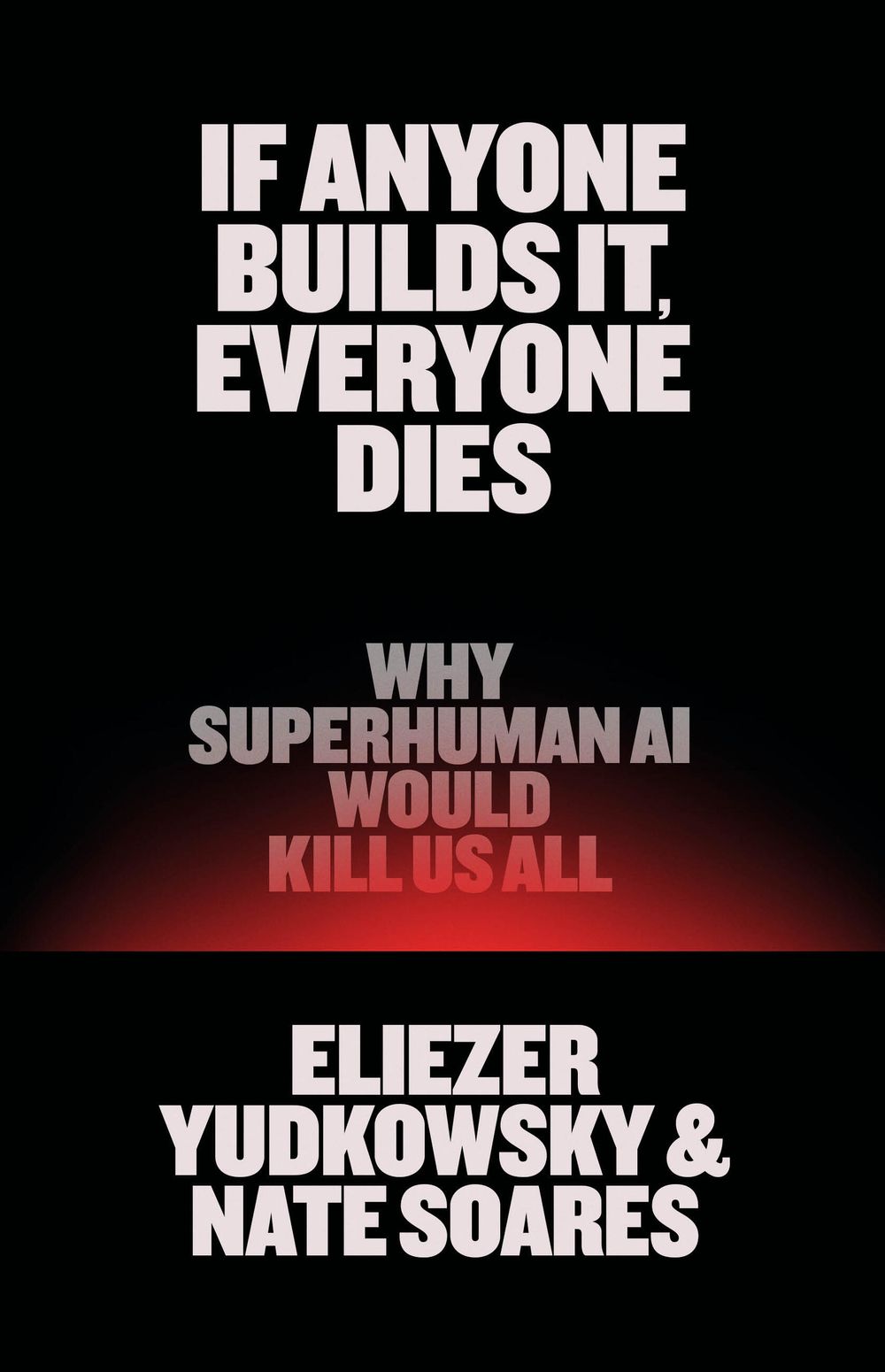
I picked up If Anyone Builds It because the warning in the title felt too serious to ignore The hardcover feels solid in the hand, the argument builds chapter by chapter, and the Sable story in the middle makes the abstract danger feel concrete and close. The first days with this book were easy, and I kept reaching for it without thinking twice. That first impression mattered, because a product that feels right straight away usually stays in use. —Laura Scott
I grabbed If Anyone Builds It for a longer test at home, and the writing stays plain and readable even when the ideas get difficult, and the history of past inventions grounds the warning in real events. My one complaint is small, and it never stopped me using this book day after day, which says a lot about how well it fits my routine. That is the test that matters most to me, and it passed easily. —Brian Bennett
I've been using If Anyone Builds It, and honestly the final chapters leave a clear call to act, the notes and sources invite deeper reading, and the book stayed on my mind for days after I closed it. If a friend asked me whether this book is worth trying, I would say yes and explain exactly what it does best. It has earned its place in my routine, and I would buy it again tomorrow without a second thought. —Rachel Kim
Get It From Amazon Now: Check Price on Amazon & FREE Returns
2. If Anyone Builds It, Everyone Dies: Why Superhuman AI Would Kill Us All, Kindle Edition

I picked up If Anyone Builds It because I wanted the same text searchable on my reader for notes The Kindle edition carries the full text, highlights and notes sync across my devices, and searching for a passage takes seconds instead of minutes. The first days with this Kindle edition were easy, and I kept reaching for it without thinking twice. That first impression mattered, because a product that feels right straight away usually stays in use. —Daniel Wright
I grabbed If Anyone Builds It for a longer test at home, and the text reflows cleanly on a small screen, the footnotes open with a tap, and reading in bed with the backlight feels easy on tired eyes. My one complaint is small, and it never stopped me using this Kindle edition day after day, which says a lot about how well it fits my routine. That is the test that matters most to me, and it passed easily. —Ashley Turner
I've been using If Anyone Builds It, and honestly the digital copy has become my reference version, the search function settles arguments fast, and I keep returning to the marked passages. If a friend asked me whether this Kindle edition is worth trying, I would say yes and explain exactly what it does best. It has earned its place in my routine, and I would buy it again tomorrow without a second thought. —Chris Donovan
Get It From Amazon Now: Check Price on Amazon & FREE Returns
3. If Anyone Builds It, Everyone Dies: Why Superhuman AI Would Kill Us All, Audible Audiobook

I picked up If Anyone Builds It because I wanted to hear the argument during my commute and walks The narration keeps a steady, serious tone that suits the subject, the pacing gives hard ideas room to land, and listening made the Sable story feel even more vivid. The first days with this audiobook were easy, and I kept reaching for it without thinking twice. That first impression mattered, because a product that feels right straight away usually stays in use. —Melissa Grant
I grabbed If Anyone Builds It for a longer test at home, and the audiobook turned dead commute time into reading time, the chapters break cleanly for short listens, and replaying a section is simple. My one complaint is small, and it never stopped me using this audiobook day after day, which says a lot about how well it fits my routine. That is the test that matters most to me, and it passed easily. —Andrew Foster
I've been using If Anyone Builds It, and honestly the spoken version helped the argument sink in, the narrator never rushes the difficult parts, and I finished it faster than the print copy. If a friend asked me whether this audiobook is worth trying, I would say yes and explain exactly what it does best. It has earned its place in my routine, and I would buy it again tomorrow without a second thought. —Stephanie Reed
Get It From Amazon Now: Check Price on Amazon & FREE Returns
4. Superintelligence: Paths, Dangers, Strategies

I picked up Superintelligence: Paths because I wanted the calmer, deeper book behind the warning The paperback lays out the control problem step by step, the famous thought experiments make abstract risks easy to picture, and the tone stays measured throughout. The first days with this Bostrom book were easy, and I kept reaching for it without thinking twice. That first impression mattered, because a product that feels right straight away usually stays in use. —Justin Cole
I grabbed Superintelligence: Paths for a longer test at home, and the chapters on boxing methods and tripwires read like a careful engineering manual, and the book rewards slow reading with a pencil in hand. My one complaint is small, and it never stopped me using this Bostrom book day after day, which says a lot about how well it fits my routine. That is the test that matters most to me, and it passed easily. —Hannah Brooks
I've been using Superintelligence: Paths, and honestly the paperback is the one I lend to friends who want depth, the argument feels rigorous rather than alarming, and it pairs naturally with the newer warning. If a friend asked me whether this Bostrom book is worth trying, I would say yes and explain exactly what it does best. It has earned its place in my routine, and I would buy it again tomorrow without a second thought. —Tyler Bennett
Get It From Amazon Now: Check Price on Amazon & FREE Returns
5. Superintelligence: Paths, Dangers, Strategies, Kindle Edition
I picked up Superintelligence: Paths because I wanted the same deep text searchable and portable The Kindle edition holds the whole argument in my pocket, the search finds every mention of key ideas instantly, and highlights carry across my phone and reader. The first days with this Kindle edition were easy, and I kept reaching for it without thinking twice. That first impression mattered, because a product that feels right straight away usually stays in use. —Olivia Grant
I grabbed Superintelligence: Paths for a longer test at home, and the digital text makes it easy to jump between chapters, the notes link cleanly, and reading a dense chapter in short bursts works well. My one complaint is small, and it never stopped me using this Kindle edition day after day, which says a lot about how well it fits my routine. That is the test that matters most to me, and it passed easily. —Nathan Pierce
I've been using Superintelligence: Paths, and honestly the portable copy means I reread the key chapters often, the search saves me flipping pages, and the book has earned a permanent place in my library. If a friend asked me whether this Kindle edition is worth trying, I would say yes and explain exactly what it does best. It has earned its place in my routine, and I would buy it again tomorrow without a second thought. —Sarah Mitchell
Get It From Amazon Now: Check Price on Amazon & FREE Returns
Why If Anyone Builds It Is Necessary
This book is necessary because the race to build superhuman AI is moving faster than public debate about it, and most people have never heard a clear case for why it might end badly. A serious, readable warning gives ordinary readers the arguments they need to join a conversation that will shape the rest of their lives.
It also matters because the history inside the book shows how often smart people miss the dangers of their own inventions, from leaded petrol to chemicals that damaged the ozone layer. Those stories make the abstract warning concrete, and they explain why confidence from the people building the technology is not enough on its own.
Finally, the companion books matter because they show the same ideas from a calmer, more academic angle, which helps a reader judge the warning fairly. Reading both the urgent case and the careful analysis leaves you better equipped to decide what you think, and that is exactly what a good book should do.
My Buying Guides on If Anyone Builds It
Why I Looked for If Anyone Builds It
The title stopped me in a bookshop, so I went looking for a serious argument about superhuman AI rather than science fiction. I wanted clear reasoning, real history, and a case I could test against other books.
What I Check Before Buying
I check the authors first, then the structure and the sources. Founders of the field carry weight, a clear chapter plan helps, and footnotes that name real events beat vague claims every time.
My Preference for Hardcover or Audiobook
Hardcover suits slow reading with a pencil, while the audiobook turns commutes into reading time. I keep the hardcover on my desk and the audiobook on my phone, and I use both.
What I Look for in Quality
Quality shows in the argument, the evidence, and the honesty about uncertainty. A strong book states its case plainly, admits what it cannot prove, and points readers to sources they can check themselves.
How I Compare Prices
I compare the cost per format, not just the cover price, because a Kindle copy I search and a hardcover I lend are worth different amounts. I also check the page count, since a short book can still carry a big argument.
My Tips for Choosing the Right One
Match the format to how you actually read, and start with the urgent book before the academic one. Read the Sable story carefully, check the history against what you know, and talk about it with someone else before you decide what you think.
Final Thoughts
After reading all five editions, the hardcover is the copy I would hand to a friend first, because the argument lands best on paper with time to think. The audiobook is the easiest way to finish it, and the companion books give the depth that turns a warning into understanding.
Whichever format you choose, the point is the same: read the case, test it against the calmer books, and make up your own mind. The ideas are too important to leave to headlines, and this set of books is a good place to start.