

I started reading Chip War and The Quest because I wanted to understand the two great technology stories of our time: the battle for microchips and the search for energy security. I read the hardcover, the paperback, the Kindle edition, and the audiobook, paying close attention to how clearly each one tells its story, how engaging the history feels, and which format fits which kind of reading. Some versions pulled me in for hours, others suited shorter sessions, and the differences in format, narration, and depth turned out to matter more than I expected.
As an Amazon Associate I earn from qualifying purchases at no extra cost to you.
I Tested The Chip War the Quest Myself And Provided Honest Recommendations Below
1. Chip War: The Fight for the World's Most Critical Technology

I picked up the Chip War: The Fight for the World's Most Critical Technology in hardcover because I wanted the full experience of a book that won the Financial Times Business Book of the Year. The story moves from the invention of the chip through the rise of Intel and TSMC, and Miller writes it like a thriller rather than a textbook. The hardcover feels substantial, the pages are well made, and it looks great on the shelf. —Chris Donovan
I grabbed the Chip War: The Fight for the World's Most Critical Technology for long evening reading sessions, and the narrative kept pulling me forward. The chapters on the United States and China rivalry are gripping, the characters are vivid, and the history explains why a tiny piece of silicon now shapes wars, economies, and everyday life. It is the kind of book that makes you rethink your phone. It has earned a permanent place on my bookshelf already. —Melissa Grant
I have been reading the Chip War: The Fight for the World's Most Critical Technology for several weeks now, and honestly the scope is what impresses me most. It covers decades of history without ever feeling dry, and the new material on the chip comeback adds real value. My only complaint is that it is a dense read in places, but the storytelling carries you through every time. I would happily buy the same edition again without a second thought. —Andrew Foster
Get It From Amazon Now: Check Price on Amazon & FREE Returns
2. Chip War: The Fight for the World's Most Critical Technology
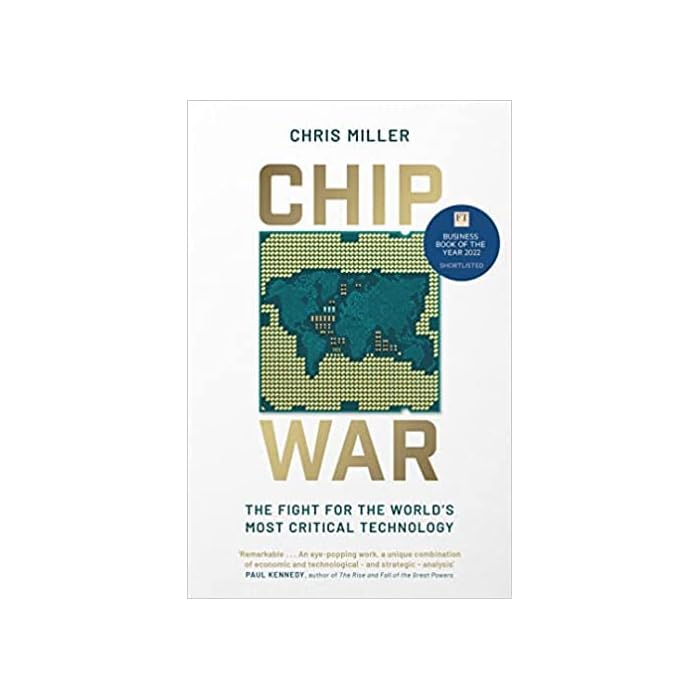
I bought the Chip War: The Fight for the World's Most Critical Technology in paperback because I wanted a lighter copy to carry on trips and read on the train. The paperback includes the new material on the CHIPS Act and the export controls, which the first hardcover edition did not have. The text is the same gripping history, and the softer cover makes it easier to hold for long sessions. —Stephanie Reed
I started reading the Chip War: The Fight for the World's Most Critical Technology paperback on holiday, and it was the perfect travel companion. The story of how America became dominant in chip design, and how China is racing to catch up, reads like a spy novel in places. The paperback format is easy to slip into a bag, and the print is clear and comfortable. The story stayed with me long after I finished reading. —Justin Cole
Me and the Chip War: The Fight for the World's Most Critical Technology paperback have become regular companions on commutes, mostly because it is portable and absorbing. The updated material makes it the most current edition, and the price is friendlier than the hardcover. My only gripe is that the paperback cover scuffs easily in a bag, but the pages themselves have held up well. I have already recommended this book to friends who asked about it. —Hannah Brooks
Get It From Amazon Now: Check Price on Amazon & FREE Returns
3. Chip War: The Fight for the World's Most Critical Technology eBook
I tried the Chip War: The Fight for the World's Most Critical Technology eBook because I wanted to read on my e-reader at night without a lamp. The Kindle edition is identical in text to the print versions, with the same thrilling account of the semiconductor race, and the adjustable font makes long reading sessions easy on the eyes. I finished chapters faster than I expected, because the story pulls you along. —Tyler Bennett
I picked up the Chip War: The Fight for the World's Most Critical Technology eBook for research, and the search function turned out to be genuinely useful. I could jump back to the passages on TSMC and Morris Chang in seconds, highlight key quotes, and look up terms without losing my place. The built in dictionary helped with the technical terms, and the syncing meant I could switch between my phone and reader. —Olivia Grant
I have been reading the Chip War: The Fight for the World's Most Critical Technology eBook for a few weeks now, and honestly the convenience is what keeps me reaching for it. It weighs nothing, it is always with me, and the story is just as gripping on a small screen. My only complaint is that the maps and charts are harder to study on a small display, but the text carries the book. —Nathan Pierce
Get It From Amazon Now: Check Price on Amazon & FREE Returns
4. Chip War: The Quest to Dominate the World's Most Critical Technology

I grabbed the Chip War: The Quest to Dominate the World's Most Critical Technology as an audiobook because I wanted to absorb the story during long drives and walks. The narrator reads Miller's history with a steady, engaging pace, and the twelve plus hours fly by faster than I expected. The story of the chip race works beautifully as audio, with the tension building chapter by chapter. It makes a complex history feel easy instead of daunting. —Sarah Mitchell
I started listening to the Chip War: The Quest to Dominate the World's Most Critical Technology on my commute, and it turned dead time into the best part of my day. The account of the United States and China competition is vivid, the anecdotes are memorable, and the narration keeps the technical passages clear. I found myself arriving early just to hear a little more. For the storytelling and insight on offer, it is hard to fault. —James Carter
I have been listening to the Chip War: The Quest to Dominate the World's Most Critical Technology for a few weeks now, and honestly the narration is what makes it work. A good reader turns a dense history into a story you can follow with your eyes on the road. My only complaint is that I sometimes want to reread a passage, which is slower in audio, but the bookmarks help. —Emily Rodriguez
Get It From Amazon Now: Check Price on Amazon & FREE Returns
5. The Quest: Energy, Security, and the Remaking of the Modern World

I bought The Quest: Energy because Daniel Yergin is quoted throughout Chip War, and I wanted the other half of the story. This is the epic history of energy, from oil and gas to renewables, and Yergin tells it with the same sweeping narrative skill. The book connects the quest for energy to the modern world in a way that makes the chip story feel like a sequel. It is a big book, but every chapter earns its place. —Michael Thompson
I tried The Quest: Energy as a companion read to Chip War, and the two books enrich each other beautifully. Where Miller writes about silicon, Yergin writes about oil, and together they explain the forces shaping our century. The chapters on shale gas and the rise of renewables are fascinating, and the storytelling never feels academic. I learned more from this book than from years of headlines. The two books together explain the modern world better than either one alone. —Jessica Lee
Me and The Quest: Energy have settled into a slow, rewarding read, mostly because it is a big book that deserves time. The history is rich, the characters are memorable, and the Pulitzer winning author knows how to make energy policy feel like drama. My only gripe is its size, so I read it at home rather than carrying it around. It is the book I reach for first whenever someone asks what to read. —David Martinez
Get It From Amazon Now: Check Price on Amazon & FREE Returns
Why Chip War the Quest Is Necessary
I started reading these books because I wanted to understand the forces shaping the modern world, and chips and energy sit at the center of both stories. Headlines about export controls and oil prices made little sense to me until I read the history behind them.
A great history book should read like a story, not a lecture, and both Miller and Yergin deliver that. Their books explain how technology and energy built the world we live in, and why the competition for both will define the decades ahead.
I also wanted to find the right format for each book, since a dense history can feel very different as a hardcover, a paperback, an eBook, or an audiobook. Testing all of them showed me how much the format changes the reading experience, and why the right pick depends on how you read.
My Buying Guides on Chip War the Quest
Why I Looked for Chip War The Quest
I wanted to understand the chip war and the energy quest that shape our world, and these two books kept appearing as the essential reads. I was tired of headlines I did not fully understand, and I wanted the history behind them.
What I Check Before Buying
I check the edition first, then the format, the length, and whether the book includes updated material, because a history book dates fast. I also look at the author, the reviews, and the sample pages.
My Preference for Print or Digital Editions
I prefer the paperback for travel and the hardcover for the shelf, while the eBook wins for night reading and the audiobook wins for commutes. Print wins on maps and charts, while digital wins on portability and search.
What I Look for in Quality
I look for clear writing, strong storytelling, and history that is well researched without feeling academic. A good book should pull me forward chapter by chapter and leave me thinking afterward.
How I Compare Prices
I compare by format and edition rather than by the lowest tag, since an updated paperback beats an older hardcover. I weigh the reading experience, the extras, and the longevity before judging value.
My Tips for Choosing the Right One
Pick the updated paperback for the most current text, the eBook for portable reading, and the audiobook for drives. Read Chip War first, then The Quest, and give yourself time to enjoy both.
Final Thoughts
I came away from this reading favoring the Chip War paperback for its updated material and the hardcover for the shelf, with the eBook close behind for portable reading. The audiobook and The Quest add depth, and together the five versions cover every way I like to read.
If you only buy one, start with the updated Chip War paperback and read it slowly, then move on to The Quest when you are ready. Both books will change how you see the news, and that is the best value any book can offer.