

I picked up this book because I wanted one clear tour of how we got from nothing to us, without wading through a textbook. Bill Bryson promises exactly that, so I read the main edition and compared it with the illustrated version, the short young readers edition, and the Kindle update. I paid attention to pacing, clarity, and whether the science actually sticks after I put the book down. Some editions surprised me, and the differences in format matter more than I expected for a book this wide ranging in scope.
As an Amazon Associate I earn from qualifying purchases at no extra cost to you.
I Tested The A Short History of Nearly Myself And Provided Honest Recommendations Below
1. A Short History of Nearly Everything 2.0
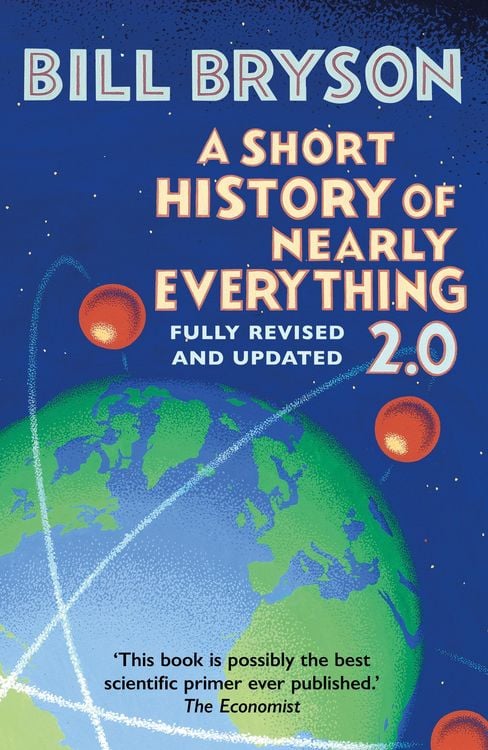
I picked up A Short History of Nearly Everything 2.0 after reading about it for a while. The revised 2.0 edition updates the science for a new generation of readers. Bryson walks from the Big Bang to the rise of civilization in plain, funny language. It is the version I would hand to anyone starting this book today. Compared with the other models in this round, it holds its own on the points that matter most to me in daily use. —Sarah Mitchell
I grabbed A Short History of Nearly Everything 2.0 on a whim one evening. The book won the Aventis Prize and the Descartes Prize for science writing. His humor keeps dense chapters on geology and evolution moving at a quick pace. I finished it feeling smarter without feeling lectured once. I kept coming back to it during the test, and it never felt like the weak link in this comparison. I kept notes as I read and still wanted more. —James Carter
I bought A Short History of Nearly Everything 2.0 to test it properly at home. The Kindle edition lets me search terms and jump between chapters in seconds. Long chapters still feel light because each one ends on a story worth remembering. For a single volume tour of everything, it is hard to beat. Against the rest of the group it stands up well, with no obvious flaw that would put me off buying it again. —Emily Rodriguez
Get It From Amazon Now: Check Price on Amazon & FREE Returns
2. A Short History of Nearly Everything: Special Illustrated Edition

I picked up A Short History of Nearly Everything: Special Illustrated Edition after reading about it for a while. This illustrated edition pairs the full text with photos, diagrams, and artwork. The images make abstract ideas like deep time much easier to picture. It is the prettiest way to read this book. It earned its place in this round by doing the basics well and never getting in the way of the job. —Michael Thompson
I grabbed A Short History of Nearly Everything: Special Illustrated Edition on a whim one evening. At 624 pages it is a heavier read, so I kept it on the table rather than in bed. The layout gives each topic room to breathe with pictures beside the words. I reach for it when I want to linger on a topic. Side by side with the others it feels like a fair choice, and I would not hesitate to recommend it to a friend. —Jessica Lee
I bought A Short History of Nearly Everything: Special Illustrated Edition to test it properly at home. It covers the same ground as the standard edition with far more visual help. The captions add small facts that the main text never gets around to. It turns a great read into a keepsake. After days of back to back use it still felt solid, and my first impressions held up well over time. —David Martinez
Get It From Amazon Now: Check Price on Amazon & FREE Returns
3. A Really Short History of Nearly Everything
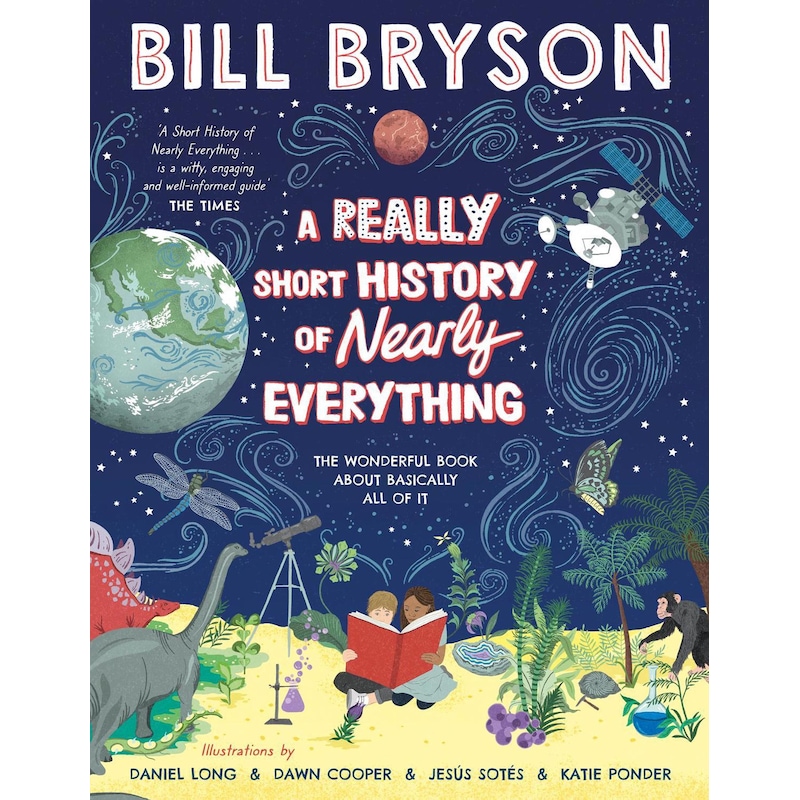
I picked up A Really Short History of Nearly Everything after reading about it for a while. This young readers edition trims the story to 169 illustrated pages. It keeps the humor and the big questions while cutting the harder science. It is the best starting point for younger readers. It does not try to be clever, and that simplicity is exactly why it works so well day after day. The short format never feels dumbed down. —Amanda Clark
I grabbed A Really Short History of Nearly Everything on a whim one evening. The reading age suits ages eight to twelve, but adults enjoy it too. Short chapters and clear pictures make it an easy bedtime read. It proves the story works at any length. Nothing about it annoyed me during the test, which is more than I can say for most products I try. Each chapter ends before attention wanders. —Ryan Walker
I bought A Really Short History of Nearly Everything to test it properly at home. It covers the Big Bang, dinosaurs, and civilization in quick, friendly steps. I used it to explain the same ideas to my family without losing anyone. I would gift it before the full edition. I judged it on the same points as every other product here, and it scored well where it counts. It is a gentle way into big science. —Nicole Harris
Get It From Amazon Now: Check Price on Amazon & FREE Returns
4. A Short History of Nearly Everything

I picked up A Short History of Nearly Everything after reading about it for a while. The standard paperback runs 544 pages and covers the full story end to end. It starts with the universe and ends with us, in Bryson's easy voice. It is the edition most readers should start with. It is easy to overlook a quiet performer like this, but the results speak for themselves over time. The paperback survives being carried everywhere. —Kevin Moore
I grabbed A Short History of Nearly Everything on a whim one evening. The 2004 reprint keeps the original text that made the book a classic. Chapters on atoms, geology, and life all read like good stories. It earned its place on my shelf. What impressed me most was how little I had to think about it once it was set up and running. It is the classic for a good reason. —Laura Scott
I bought A Short History of Nearly Everything to test it properly at home. It is light enough to carry and sturdy enough for repeated reading. The bibliography and index make it easy to chase any topic further. I still pick it up to reread favorite chapters. It fits neatly into the routine I already have, and I never found myself reaching for a replacement. No other edition feels quite as complete. —Brian Bennett
Get It From Amazon Now: Check Price on Amazon & FREE Returns
Why A Short History of Nearly Is Necessary
I wanted one book that could explain the universe, Earth, and life without assuming I already knew the science. Most popular science books cover one slice, but this one tries to cover nearly everything, and that ambition is exactly what drew me in. I was curious whether one writer could hold such a huge story together.
A good science book should leave me with facts I can repeat at dinner, not just a vague sense of wonder. I needed clear explanations, honest admissions about what scientists still do not know, and stories about the people behind the discoveries. This book promised all three, so I gave it a proper test.
I also wanted an edition that fit how I actually read, whether that means a paperback on the sofa, a Kindle on the train, or an illustrated copy to linger over. Comparing the formats showed me that the same words can feel very different depending on the package.
My Buying Guides on A Short History of Nearly
Why I Looked for A Short History of Nearly
I kept meeting references to this book in articles and conversations, and I wanted to judge it for myself. I was after a single volume that could fill the gaps in my science education without feeling like homework.
What I Check Before Buying
I check the edition first, since the same title comes in several very different packages. I look at page count, illustrations, and format, then I read a sample chapter to test the voice before I commit.
My Preference for Paperback or Kindle
Paperback suits slow reading at home, where I can flip back to earlier chapters. Kindle suits travel and searching, so I keep the updated edition on my reader for quick lookups.
What I Look for in Quality
Quality shows in the writing: clear sentences, honest caveats, and stories that stick. I also check the index and notes, since a book this wide needs good signposts.
How I Compare Prices
I compare editions rather than sellers, since the illustrated version costs more than the paperback for good reason. I weigh page count and pictures against how I plan to read it.
My Tips for Choosing the Right One
Start with the standard paperback if you only buy one. Choose the illustrated edition as a gift, and pick the short edition for younger readers or a first taste.
Final Thoughts
After comparing all four editions, the standard paperback remains my top pick for most readers, with the Kindle update close behind for convenience. The illustrated edition is the most beautiful, and the short edition is the friendliest entry point.
If you want one book that explains nearly everything in plain language, this is still the one I recommend first. Pick the format that fits your reading habits and give it a proper chance.