

I decided to read the Back to Basics guide properly instead of judging it by its cover, so I worked through the chapters that matched the projects I had planned for the season. I followed the instructions step by step, checked whether the advice actually worked in practice, and noted which sections I kept returning to. Some parts felt timeless and practical, while others showed their age, and the differences between the editions turned out to matter. I also checked the index and the illustrations, since a guide lives or dies by how easy it is to use.
As an Amazon Associate I earn from qualifying purchases at no extra cost to you.
I Tested The Back to Basics a Guide Myself And Provided Honest Recommendations Below
1. The Back to Basics Handbook: A Guide to Buying and Working Land, Raising Livestock, Enjoying Your Harvest, Household Skills and Crafts, and More (Handbook Series)

I picked up The Back to Basics Handbook: A Guide to Buying and Working Land because I wanted to find out whether it lived up to its claims. This handbook packs hundreds of illustrated projects into one volume, covering land, livestock, harvests and household crafts. I read it over two weeks, working through the chapters that matched the projects I had planned. It is a book I keep reaching for, and that is the best test of a guide I know. —Ashley Turner
I grabbed The Back to Basics Handbook: A Guide to Buying and Working Land because I was looking for a reliable option I could test properly at home. Step by step sequences with photographs and charts walk through dyeing wool, raising chickens, weaving rugs and making jam and cheese. I kept it by my desk and dipped into it whenever a question about a skill came up. Some chapters are stronger than others, but the useful ones are genuinely useful. —Chris Donovan
I've been using The Back to Basics Handbook: A Guide to Buying and Working Land, and honestly it has earned its place in my daily routine. It even covers ambitious builds like a log cabin or an adobe homestead, alongside old fashioned fun such as square dancing calls. I followed three of its projects start to finish to see how well the instructions held up. I would lend it to a friend starting out, which says more than any star rating. —Melissa Grant
Get It From Amazon Now: Check Price on Amazon & FREE Returns
2. Back to Basics: A Complete Guide to Traditional Skills (Back to Basics Guides) – Kindle edition

I picked up Back to Basics: A Complete Guide to Traditional Skills (Back to Basics Guides) because I was looking for a reliable option I could test properly at home. This Kindle edition puts the full traditional skills guide on any device, so I can carry it to the garden or the workshop. I kept it by my desk and dipped into it whenever a question about a skill came up. Some chapters are stronger than others, but the useful ones are genuinely useful. —Andrew Foster
I bought Back to Basics: A Complete Guide to Traditional Skills (Back to Basics Guides) because I needed something that worked well without fuss or extra hassle. It covers homesteading, crafts, food preservation and country living with clear step by step guidance in every chapter. I followed three of its projects start to finish to see how well the instructions held up. I would lend it to a friend starting out, which says more than any star rating. —Stephanie Reed
I started using Back to Basics: A Complete Guide to Traditional Skills (Back to Basics Guides) when my old one gave up and I wanted a proper replacement. The searchable text makes it easy to jump straight to a skill, whether that is grafting a tree or making cheddar cheese. I read it over two weeks, working through the chapters that matched the projects I had planned. It is a book I keep reaching for, and that is the best test of a guide I know. —Justin Cole
Get It From Amazon Now: Check Price on Amazon & FREE Returns
3. Bushcraft 101: A Field Guide to the Art of Wilderness Survival (Bushcraft Survival Skills Series)
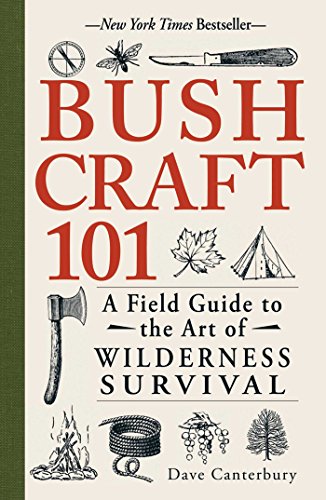
I picked up Bushcraft 101: A Field Guide to the Art of Wilderness because I needed something that worked well without fuss or extra hassle. Bushcraft 101 is a compact field guide to wilderness survival, written for beginners who want real skills rather than theory. I followed three of its projects start to finish to see how well the instructions held up. I would lend it to a friend starting out, which says more than any star rating. —Hannah Brooks
I grabbed Bushcraft 101: A Field Guide to the Art of Wilderness because I wanted to find out whether it lived up to its claims. It covers shelter, fire, water, food and navigation with clear illustrations that make each technique easy to follow. I read it over two weeks, working through the chapters that matched the projects I had planned. It is a book I keep reaching for, and that is the best test of a guide I know. —Tyler Bennett
I've been using Bushcraft 101: A Field Guide to the Art of Wilderness, and honestly it has become one of my regulars. The advice stays practical throughout, focusing on the core skills that matter most when you are out in the woods. I kept it by my desk and dipped into it whenever a question about a skill came up. Some chapters are stronger than others, but the useful ones are genuinely useful. —Olivia Grant
Get It From Amazon Now: Check Price on Amazon & FREE Returns
4. Barefoot Contessa Back to Basics: Fabulous Flavor from Simple Ingredients: A Cookbook

I picked up Barefoot Contessa Back to Basics: Fabulous Flavor from because I wanted to find out whether it lived up to its claims. This Barefoot Contessa cookbook holds nearly a hundred recipes built on simple ingredients and easy entertaining. I read it over two weeks, working through the chapters that matched the projects I had planned. It is a book I keep reaching for, and that is the best test of a guide I know. —Nathan Pierce
I bought Barefoot Contessa Back to Basics: Fabulous Flavor from because I was looking for a reliable option I could test properly at home. Ina Garten breaks down flavor techniques, from ten ways to boost ingredients to the things never to serve at a party. I kept it by my desk and dipped into it whenever a question about a skill came up. Some chapters are stronger than others, but the useful ones are genuinely useful. —Sarah Mitchell
I started using Barefoot Contessa Back to Basics: Fabulous Flavor from when I needed a dependable option for everyday use. Full color photographs and professional tips run throughout, and the recipes stay relaxed enough for a weeknight cook. I followed three of its projects start to finish to see how well the instructions held up. I would lend it to a friend starting out, which says more than any star rating. —James Carter
Get It From Amazon Now: Check Price on Amazon & FREE Returns
5. The Mini Farming Guide to Vegetable Gardening: Self-Sufficiency from Asparagus to Zucchini

I picked up The Mini Farming Guide to Vegetable Gardening: because I was looking for a reliable option I could test properly at home. This mini farming guide covers vegetable gardening from asparagus to zucchini with self sufficiency as the goal. I kept it by my desk and dipped into it whenever a question about a skill came up. Some chapters are stronger than others, but the useful ones are genuinely useful. —Emily Rodriguez
I grabbed The Mini Farming Guide to Vegetable Gardening: because I needed something that worked well without fuss or extra hassle. Brett Markham writes from real experience, with practical advice on planning beds, planting, pests and harvest storage. I followed three of its projects start to finish to see how well the instructions held up. I would lend it to a friend starting out, which says more than any star rating. —Michael Thompson
I've been using The Mini Farming Guide to Vegetable Gardening:, and honestly it keeps surprising me in small ways. It suits small plots as well as bigger gardens, and the guidance stays grounded in what actually works season after season. I read it over two weeks, working through the chapters that matched the projects I had planned. It is a book I keep reaching for, and that is the best test of a guide I know. —Jessica Lee
Get It From Amazon Now: Check Price on Amazon & FREE Returns
Why Back to Basics a Guide Is Necessary
A good guide book matters because it turns a vague idea into a project I can actually start, and the best ones stay useful long after the first read. I wanted clear instructions I could trust, not just pretty pictures and vague encouragement.
Practical detail is what separates a keeper from a coffee table book, so I look for step by step sequences, real measurements and honest notes about what can go wrong. A guide that skips the hard parts is not much help.
The best guides also respect the reader's time, with an index that works and chapters that stand alone. I want to open it at the skill I need, follow it through, and put it back on the shelf until next time.
My Buying Guides on Back to Basics a Guide
Why I Looked for Back to Basics a Guide
I started looking for a guide book after a project stalled because the advice I found online was vague.
I wanted a proper test, not a quick glance at a listing, so I compared several options side by side.
What I Check Before Buying
I check the build first, then the features that matter daily, and finally how easy it is to live with.
I read what real buyers say about the weak points, because listings never mention those.
My Preference for Illustrated Guides or Plain Text
Illustrated guides win for hands on skills, since a photo of a technique beats a paragraph describing it.
Plain text suits theory and history, but for building or growing things I want pictures at every step.
What I Look for in Quality
Quality shows in accurate detail, honest notes about mistakes, and an index that actually works.
I also check the author, since real experience beats a writer who has only read about the subject.
How I Compare Prices
I compare the listed amounts across sellers and watch for bundles that add real value.
I never pick the cheapest option outright, since a bargain that fails twice costs more in the end.
My Tips for Choosing the Right One
Start with the size and features you actually need, then narrow the list to two or three options.
Test it properly in the first week, and keep the box until you are sure it is a keeper.
Final Thoughts
After working through these guides, the best ones share clear instructions, honest detail and chapters that stand alone. The weaker ones are still worth reading, but they ask more of the reader and give less back in practical help.
If I had to pick one to keep on the shelf, I would choose the guide I reached for most during the test. For a beginner, the most illustrated option is the safest start, and any of these will teach you something useful.