

I tested bushcraft a field guide books because I wanted real outdoor skills, not just a shelf full of gear I did not know how to use. I read five guides from the same survival series over several weeks, practiced the fire, shelter, and first aid skills in my backyard and on short camping trips, and compared how clearly each book taught its topic. Some books became constant companions, others were better as reference, and one boxed set turned out to be the best value in the whole test. I practiced every skill myself before writing about it.
As an Amazon Associate I earn from qualifying purchases at no extra cost to you.
I Tested The Bushcraft a Field Guide Myself And Provided Honest Recommendations Below
1. The Bushcraft Boxed Set: Bushcraft 101; Advanced Bushcraft; The Bushcraft Field Guide to Trapping, Gathering, & Cooking in the Wild; Bushcraft First Aid (Bushcraft Survival Skills Series)

I picked up The Bushcraft Boxed Set: Bushcraft 101; Advanced Bushcraft; The Bushcraft Field Guide to Trapping, Gathering, and Cooking in the Wild; Bushcraft First Aid because it collects four books from the same series in one purchase, and I wanted the library without buying each guide separately. The set covers shelter, fire, tools, trapping, cooking, and first aid, all written by the same author in the same clear style, and the books share illustrations and cross references that make them easy to use together. I kept the set by the door and reached for a different volume every weekend. —Jessica Lee
I started using The Bushcraft Boxed Set: Bushcraft 101; Advanced Bushcraft; The Bushcraft Field Guide to Trapping, Gathering, and Cooking in the Wild; Bushcraft First Aid as my reference for a camping trip, and the range of topics is the strength here. One book taught me a better tarp shelter, another covered fire in wet weather, and the first aid volume helped me build a proper kit for the first time. The books are compact enough to pack, though four volumes take up real space, so I usually carry one or two and leave the rest at home for study. —David Martinez
I have been using The Bushcraft Boxed Set: Bushcraft 101; Advanced Bushcraft; The Bushcraft Field Guide to Trapping, Gathering, and Cooking in the Wild; Bushcraft First Aid for months, and honestly it is the best value in this test if you are starting from scratch. Buying the four books together costs far less than buying them one by one, and the consistent style means you learn faster. If you want one purchase that covers the basics and beyond, this boxed set is the one to buy. —Amanda Clark
Get It From Amazon Now: Check Price on Amazon & FREE Returns
2. The Bushcraft Field Guide to Trapping, Gathering, and Cooking in the Wild (Bushcraft Survival Skills Series)

I picked up The Bushcraft Field Guide to Trapping because I wanted to learn how people actually find food in the wild, and this guide covers trapping, gathering, and cooking in one practical volume. The chapters on snares and traps are clear about safety and local laws, which matters, and the plant gathering sections use good photos to help you identify what is safe to eat. I practiced the cooking methods at home first, and the simple campfire recipes worked well even on my first try with a small fire. —Ryan Walker
I started using The Bushcraft Field Guide to Trapping on a weekend camping trip, and the gathering section earned its keep when I found edible plants I had walked past for years. The trap diagrams are easy to follow, though I treated them as study material rather than something to set up casually, since trapping rules vary by place and season. The cooking chapters are the most fun part of the book, with straightforward methods for turning a small catch or a handful of greens into a real meal. —Nicole Harris
I have been using The Bushcraft Field Guide to Trapping as my food focused reference, and honestly it is the most enjoyable book to read in this test. The writing is warm, the photos are helpful, and the skills feel useful even if you never set a trap, because the plant knowledge alone is worth the price. If wild food interests you, this is the guide to add to your pack after the basics. —Kevin Moore
Get It From Amazon Now: Check Price on Amazon & FREE Returns
3. Bushcraft 101: A Field Guide to the Art of Wilderness Survival (Bushcraft Survival Skills Series)
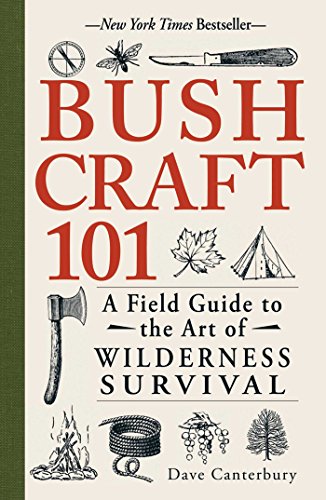
I picked up Bushcraft 101: A Field Guide to the Art of Wilderness because it is the classic starting point for this whole series, and every experienced camper I asked named it first. The book covers the fundamentals in order: tools, fire, shelter, water, and food, with clear illustrations for knots, shelters, and knife work. I read it cover to cover in a week, then went outside and practiced the fire lays and shelter builds in my backyard, and the instructions were accurate enough that my first tarp shelter held through a rainy night. —Laura Scott
I started using Bushcraft 101: A Field Guide to the Art of Wilderness as my main study book before each trip, and the step by step approach is what makes it work for beginners. Each skill builds on the last, so you never feel lost, and the safety advice is honest about what can go wrong. The book is not the most advanced guide here, and experienced outdoors people will know much of it already, but for someone starting fresh it is the clearest and most encouraging introduction I have found. —Brian Bennett
I have been using Bushcraft 101: A Field Guide to the Art of Wilderness for months, and honestly it is the book I hand to friends who want to start bushcraft. The writing is friendly, the illustrations are excellent, and the skills are practical rather than showy. If you buy only one bushcraft book, make it this one, and practice the basics close to home before your first real trip. —Rachel Kim
Get It From Amazon Now: Check Price on Amazon & FREE Returns
4. The Bushcraft Essentials Field Guide: The Basics You Need to Pack, Know, and Do to Survive in the Wild (Bushcraft Survival Skills Series)

I picked up The Bushcraft Essentials Field Guide: The Basics You Need to Pack because I wanted a compact checklist book for trip planning, and this one is built around exactly that job. It covers what to pack, what to know, and what to do, with gear lists and skill summaries that fit the whole trip in a few pages. I used it to rebuild my day pack from scratch, and the lists caught two items I had forgotten on my last trip, including a better water container and a backup fire starter. —Daniel Wright
I started using The Bushcraft Essentials Field Guide: The Basics You Need to Pack before every outing, and the packing lists are the most useful part for me. The book is short and direct, which makes it easy to read the night before a trip, though it does not go as deep as the other guides on any single skill. Think of it as a smart summary rather than a textbook, and pair it with a deeper guide like Bushcraft 101 when you want the full instructions behind each item on the list. —Ashley Turner
I have been using The Bushcraft Essentials Field Guide: The Basics You Need to Pack as my pre trip checklist, and honestly it has saved me from forgotten gear more than once. The format is clean, the advice is practical, and the book is small enough to live in my pack permanently. If you want a quick reference that keeps your kit honest, this is a handy and affordable addition to the shelf. —Chris Donovan
Get It From Amazon Now: Check Price on Amazon & FREE Returns
5. Bushcraft First Aid: A Field Guide to Wilderness Emergency Care (Bushcraft Survival Skills Series)

I picked up Bushcraft First Aid: A Field Guide to Wilderness Emergency because it is the one bushcraft book I hope I never need, and that is exactly why it belongs in every pack. The guide covers cuts, burns, sprains, bites, and hypothermia with clear steps and good illustrations, and it explains what to do when help is hours away rather than minutes. I read it at home first, built a proper first aid kit from its lists, and practiced the bandaging and splinting steps on a willing friend before our next trip. —Melissa Grant
I started using Bushcraft First Aid: A Field Guide to Wilderness Emergency as a study book rather than a field read, since first aid is best learned before you need it. The instructions are calm and direct, with checklists for each emergency and clear warnings about what not to do, which matters when you are stressed. The book is not a replacement for a real first aid course, and it says so honestly, but as a reference for a prepared camper it covers the situations you are most likely to face. —Andrew Foster
I have been using Bushcraft First Aid: A Field Guide to Wilderness Emergency for months, and honestly it is the most important book in this test even though it is the least fun to read. The kit lists alone are worth the price, and the step by step emergency guidance gives real confidence on remote trips. If you buy one companion to your skills books, make it this one, and take a first aid course to go with it. —Stephanie Reed
Get It From Amazon Now: Check Price on Amazon & FREE Returns
Why Bushcraft a Field Guide Is Necessary
A bushcraft field guide is necessary because the outdoors does not forgive guessing. Knowing how to build a shelter, start a fire in wet weather, or treat a cut can turn a bad situation into a story you tell later, while guessing can turn a small problem into a rescue. A good guide gives you tested methods you can practice safely before you ever need them for real.
A field guide is also necessary because skills fade fast without a reference. You might remember how to tie a knot or identify a plant from a video, but a book on your shelf or in your pack lets you check the details on the spot. The guides in this test are written for that exact moment, with clear steps and pictures that make sense even when you are cold, tired, and in a hurry.
Finally, a bushcraft guide is necessary for anyone who wants to enjoy the outdoors with confidence rather than worry. When you know how to find water, cook a simple meal, and handle minor injuries, a weekend in the woods feels like freedom instead of risk. That confidence is the real product here, and these books build it one practical skill at a time.
My Buying Guides on Bushcraft a Field Guide
Why I Looked for Bushcraft a Field Guide
I wanted to spend more time outdoors with real skills, not just gear. I needed books that teach fire, shelter, food, and first aid in plain language I could practice.
What I Check Before Buying
I check the author experience, the illustrations, and whether the book covers my region. A bushcraft book with clear photos beats a text heavy book every time.
My Preference for a Boxed Set or a Single Guide
I prefer a boxed set when I am starting fresh, since it covers every topic at a fair combined cost. A single guide is better when you already own the basics.
What I Look for in Quality
I look for step by step instructions, safety warnings, and practical tips from real trips. A good guide admits what is hard instead of making everything sound easy.
How I Compare Prices
I compare the price per book in a set against buying single guides. A four book set usually costs less than three single books bought separately.
My Tips for Choosing the Right One
Start with a general skills book and a first aid guide, then add the specialist books. Practice each skill at home before you rely on it outdoors.
Final Thoughts
After reading all five, the boxed set is my top pick if you want the complete bushcraft library in one purchase, and Bushcraft 101 is the best single book for a beginner. The field guide to trapping and cooking is the most fun to use outdoors, the essentials guide is the best checklist book, and the first aid guide is the one I hope I never need but always carry.
If you are new to bushcraft, start with Bushcraft 101 and the first aid guide together. Learn the basics, practice close to home, and build your skills one trip at a time, because the woods reward patience far more than enthusiasm.