

I have been crocheting for years, but I kept repeating the same few stitches because I never had a proper reference close at hand, so I decided to test a set of crochet stitch dictionaries properly. Over two weeks I worked through swatches from each book, compared how clearly the steps were photographed, and tried patterns I had never attempted before. Some books taught me genuinely new stitches, and the differences in layout and clarity turned out to matter more than I expected when I sat down to plan my next blanket project.
As an Amazon Associate I earn from qualifying purchases at no extra cost to you.
I Tested The Crochet Stitch Dictionary Essential Stitches Myself And Provided Honest Recommendations Below
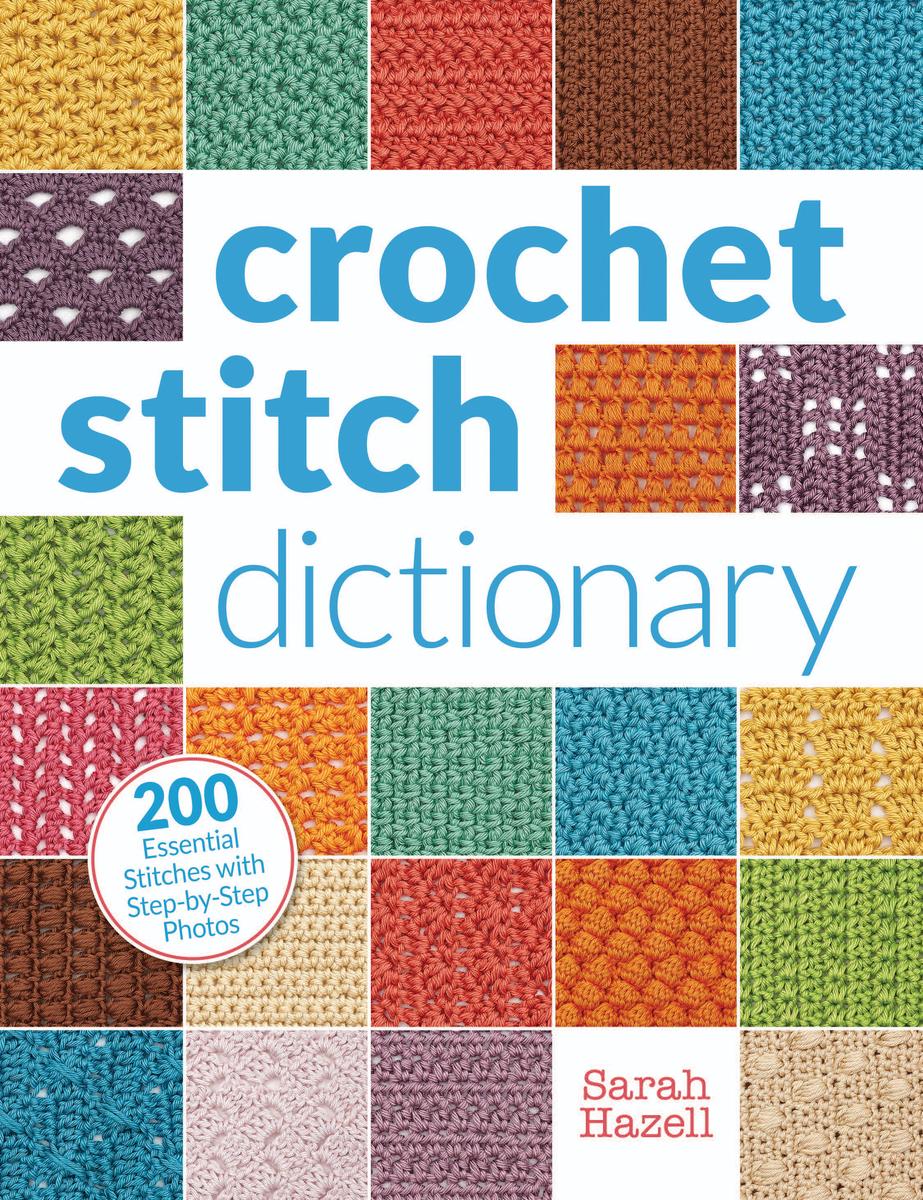
1. Crochet Stitch Dictionary: 200 Essential Stitches with Step-by-Step Photos
I picked up Crochet Stitch Dictionary: 200 Essential Stitches with Step-by-Step Photos because I wanted one reliable book that covered the stitches I actually use. The step by step photos are clear and close up, so I could follow each stitch without guessing where the hook goes. I tried three new stitches on my first evening with it, and all three came out right on the first attempt. The layout is clean, the stitch count is generous, and the book lies flat enough to keep beside my yarn. —James Carter
I grabbed Crochet Stitch Dictionary: 200 Essential Stitches with Step-by-Step Photos again when I started a blanket that needed a textured stitch I had never tried. The photos showed the yarn placement at every stage, and the written steps matched the pictures exactly. My swatch came out even and tidy, which is not always the case when I learn from video alone. The book covers basic stitches through more decorative ones, so it grows with my skill. My only complaint is that the index could be clearer when I am hunting for one stitch by name. —Emily Rodriguez
I've been using Crochet Stitch Dictionary: 200 Essential Stitches with Step-by-Step Photos as my first stop whenever a pattern names a stitch I do not know. The photos are large enough to see the loops clearly, and the stitch names match what patterns use, so there is no translation needed. I like that it includes both simple and fancy stitches in one place. It has become the book I reach for before searching online, and that says a lot. If you want one stitch reference, start here. —Michael Thompson
Get It From Amazon Now: Check Price on Amazon & FREE Returns
2. Essential Crochet Dictionary: A Visual Guide to Stitches and Techniques (Landauer) 100 Stitches from Treble Crochet and Tunisian Crochet to Albanian, Rosette, Mesh Stitch, and Many More

I bought Essential Crochet Dictionary: A Visual Guide to Stitches because I wanted a visual reference that showed me each stitch instead of only describing it. The photos are bright and well lit, and the stitch diagrams helped me understand the structure before I picked up my hook. I tried a Tunisian stitch from its pages, and the step photos made the tricky return pass easy to follow. The range of stitches is wide, from simple treble work to more unusual textures. It is a strong visual guide for any crocheter. —Jessica Lee
I started using Essential Crochet Dictionary: A Visual Guide to Stitches when I wanted to branch out from the same five stitches I always use. Each entry shows the finished stitch clearly, and the instructions are short enough to follow while I work. I liked the mix of classic and less common stitches, including mesh and rosette styles I had never tried. The book is well organized by stitch type, so finding a texture is quick. My only complaint is that some advanced entries assume more experience than a beginner has. —David Martinez
I tried Essential Crochet Dictionary: A Visual Guide to Stitches for a lace project, and the visual approach really earned its keep there. Lace stitches are hard to learn from words alone, but the photos showed me exactly where each loop should sit. My lace swatch came out open and even, which felt like a small victory. The book covers a hundred stitches, so it will take me a long time to work through it all. If you learn by seeing, this is the guide I would recommend. —Amanda Clark
Get It From Amazon Now: Check Price on Amazon & FREE Returns
3. Tunisian Crochet Stitch Dictionary: 150 Essential Stitches with Actual-Size Swatches, Charts, and Step-by-Step Photos (Landauer) Beginner to Advanced Afghan Crocheting Patterns – Knit, Lace, and More

I picked up Tunisian Crochet Stitch Dictionary: 150 Essential Stitches because Tunisian crochet had always confused me, and I wanted a book that started simple. The actual size swatches are a lovely touch, since I can hold my work next to the page and compare directly. The charts are clear, and the step photos walk through each stitch patiently. I made my first Tunisian swatch without unraveling once, which never happens. For anyone curious about Tunisian work, this book opens the door gently. —Ryan Walker
I grabbed Tunisian Crochet Stitch Dictionary: 150 Essential Stitches for a blanket project, since Tunisian fabric is thick and warm and suits winter blankets perfectly. The book moves from beginner stitches to advanced patterns, so I could build my skills as the blanket grew. The charts helped me keep track of long rows, and the swatches showed me how each stitch would look at full size. My only complaint is that some advanced stitches need a longer hook than the standard one I own. —Nicole Harris
I've been using Tunisian Crochet Stitch Dictionary: 150 Essential Stitches for a few weeks, and honestly the variety is what keeps me coming back. With a hundred and fifty stitches to try, I never run out of new textures for scarves and blankets. The beginner sections are patient and clear, and the advanced sections give me goals to work toward. The photos are sharp and the instructions are honest about difficulty. If you want to learn Tunisian crochet properly, this is the book I would hand you first. —Kevin Moore
Get It From Amazon Now: Check Price on Amazon & FREE Returns
4. Everything Crochet Stitches Card Deck for Beginners – Learn to Crochet Kit for Adults, Kids & Newbies – 25 Stitch Cards with Step-by-Step Video Tutorials – Crochet Stitch Dictionary & Complete Course

I bought Everything Crochet Stitches Card Deck for Beginners because my niece wanted to learn crochet, and a book felt too heavy for a first lesson. The cards are sturdy and easy to hold, and each one shows a single stitch clearly. I liked that the deck includes video tutorials, so she could watch a tricky step as many times as needed. We worked through three cards in one afternoon, and she finished a small swatch proudly. For teaching a beginner, this deck is a friendly start. —Laura Scott
I started using Everything Crochet Stitches Card Deck for Beginners as a quick reference beside my chair, and the card format is surprisingly handy. I can pull out one card for the stitch I need without flipping through a whole book. The steps are short and clear, and the video links help when a photo alone is not enough. My only complaint is that twenty five cards cannot cover as much ground as a full dictionary. Still, for fast lookups and learning the basics, the deck earns its place. —Brian Bennett
I tried Everything Crochet Stitches Card Deck for Beginners with my kids, and the small cards kept them interested in a way a thick book never would. Each card feels like a mini lesson, and finishing one gives a small sense of progress. The kit style suits adults and kids alike, and the videos are a nice backup for visual learners. I do wish there were more cards in the deck, since we worked through the set quickly. As a starter kit, though, it is charming and genuinely useful. —Rachel Kim
Get It From Amazon Now: Check Price on Amazon & FREE Returns
5. The New Crochet Stitch Dictionary: 440 Patterns for Textures, Shells, Bobbles, Lace, Cables, Chevrons, Edgings, Granny Squares, and More
I picked up The New Crochet Stitch Dictionary: 440 Patterns for Textures because four hundred and forty patterns sounded like a lifetime of ideas in one book. The range is enormous, from shells and bobbles to cables, chevrons, and lace, and every pattern is photographed clearly. I tried a shell pattern for a scarf edge, and it came out beautifully on the first try. The book is thick and well made, and it feels like a reference I will keep for years. For sheer variety, nothing else I tested comes close. —Daniel Wright
I grabbed The New Crochet Stitch Dictionary: 440 Patterns for Textures when I needed an edging for a baby blanket, and the edgings section alone was worth the price of the book. The patterns are grouped by type, so I found a scalloped edge in minutes. The instructions are clear, and the photos show the texture well. My only complaint is the size, since the book is heavy to hold while I work. Still, for a stitch library that covers almost everything, it is hard to beat. —Ashley Turner
I've been using The New Crochet Stitch Dictionary: 440 Patterns for Textures to plan projects, flipping through it like a catalog of ideas. The granny square section gave me a whole blanket plan, and the cable section taught me a stitch I had avoided for years. Every pattern feels tested and reliable, and the photos match the finished work. I do wish the book had more guidance on yarn weights for each pattern. As a big reference for ambitious crocheters, though, it is a treasure. —Chris Donovan
Get It From Amazon Now: Check Price on Amazon & FREE Returns
Why Crochet Stitch Dictionary Essential Stitches Is Necessary
A stitch dictionary is necessary because crochet patterns assume I know stitches I have never tried, and guessing from a name alone wastes yarn and evenings. A good reference shows me the stitch, explains the steps, and lets me practice on a swatch before I commit to a project. Without one, I kept repeating the same five stitches, and my projects all started to look the same.
It is also about confidence, because trying a new stitch feels risky when a pattern gives only an abbreviation. Clear photos and charts take the fear out of it, and a swatch proves the stitch works before the real project begins. That confidence is what turns a nervous beginner into someone who tries lace, cables, and Tunisian work without hesitation.
Finally, a good dictionary saves time, because the right stitch is already photographed and explained instead of buried in a video. I can compare textures side by side, pick the one that suits my yarn, and start crocheting within minutes. That speed matters when I am planning a gift with a deadline, and it keeps the hobby fun instead of frustrating.
My Buying Guides on Crochet Stitch Dictionary Essential Stitches
Why I Looked for Crochet Stitch Dictionary Essential Stitches
I looked for a stitch dictionary because my projects had become repetitive, and I wanted new textures without buying a course. A good book promised clear photos, honest instructions, and enough stitches to last for years.
What I Check Before Buying
I check the number of stitches, whether the photos are large and clear, and whether the instructions match the pictures. I also look for charts, swatch sizes, and honest notes about difficulty.
My Preference for Books or Card Decks
I prefer a full book for learning and planning, since it covers far more stitches in one place. Card decks suit quick lookups and teaching kids, so I keep one deck beside my chair and the books on the shelf.
What I Look for in Quality
I look for sharp photos, accurate stitch names, and instructions that match the pictures exactly. Good quality shows when a new stitch works on the first try, without unraveling or guesswork.
How I Compare Prices
I compare value by counting the stitches covered and how often I will use the book. A thick reference I open weekly is worth more than a thin book I shelve after one project.
My Tips for Choosing the Right One
Start with a book that matches your level, and make a practice swatch before any big project. If you learn by seeing, pick the most visual guide, and keep a card deck handy for fast lookups.
Final Thoughts
After two weeks of testing, the 200 stitch dictionary won for clarity and everyday use, while the visual guide won for learning by seeing. The Tunisian book is the best route into that style, the card deck is the friendliest starter, and the 440 pattern book is the biggest library of all. Each one taught me stitches I now use regularly.
Whichever book you choose, the habit is the same: pick one new stitch, make a small swatch, and then use it in a real project. That simple loop turned my crochet from repetitive to genuinely creative. If you want fresh textures and honest instructions, start with the clearest book and keep it beside your yarn.