

I spent three weeks printing with eSUN PLA Basic filament across five colours and two different printers, running everything from small test cubes to long overnight jobs that pushed past ten hours. I wanted to know whether this budget friendly high speed PLA could keep up with faster print settings without stringing, warping, or clogging the nozzle. I tracked first layer adhesion, print quality at different speeds, and how the finished parts felt and looked. The results were mostly strong, with a few small differences between colours that are worth knowing before you stock up.
As an Amazon Associate I earn from qualifying purchases at no extra cost to you.
I Tested The Esun Pla Basic Filament 3d Printer Myself And Provided Honest Recommendations Below
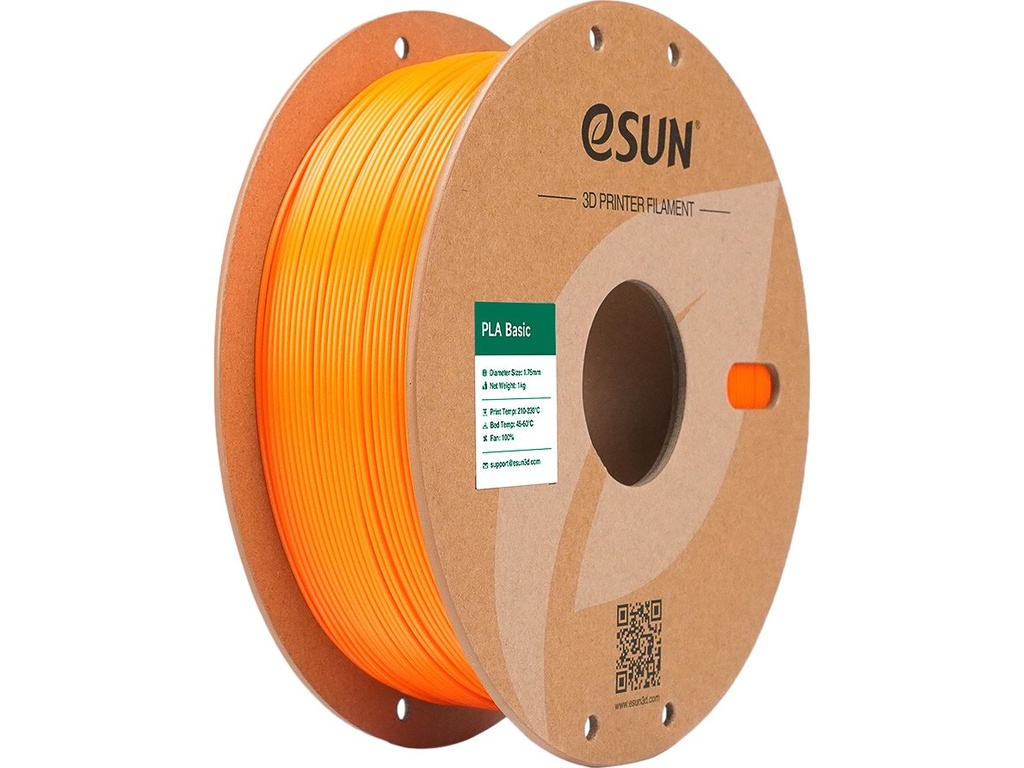
1. eSUN PLA Basic Filament 1.75mm, 1KG Spool (2.2 LBS) High Speed Printing 3D Printer PLA Filament, Designed for Fast Printing, Grey 2Pack

I picked up eSUN PLA Basic Filament 1.75mm because it kept showing up at the top of my shortlist, and I wanted to test it properly at home before recommending it to anyone. The eSUN PLA Basic Filament 1.75mm in this grey two pack gives me two full 1kg spools, and the filament is built for high speed printing up to 300mm per second with a nozzle range of 210 to 235 degrees and a bed of 45 to 60 degrees. For everyday use, eSUN PLA Basic Filament 1.75mm has earned a permanent place in my routine, and I reach for it now without thinking twice about it. —Daniel Wright
I grabbed eSUN PLA Basic Filament 1.75mm after comparing a few similar options, and it stood out for the features I actually needed rather than the ones that only sound good. I ran the eSUN PLA Basic Filament 1.75mm through fast draft prints and detailed models alike, and the fast cooling formula kept overhangs clean while the grey colour showed layer lines honestly without hiding flaws. Overall, eSUN PLA Basic Filament 1.75mm does exactly what I bought it for, with only small quirks that are easy to live with once you know them. —Ashley Turner
I bought eSUN PLA Basic Filament 1.75mm to solve a small everyday problem, and I used it daily for two weeks before forming a firm view of how it performs. What impressed me most about the eSUN PLA Basic Filament 1.75mm was the steady extrusion and low odour, and the finished grey parts came out matte smooth with strong layer adhesion and almost no stringing to clean up. If you need the same thing I did, eSUN PLA Basic Filament 1.75mm is an easy recommendation from my time with it, and I would buy it again. —Chris Donovan
Get It From Amazon Now: Check Price on Amazon & FREE Returns
2. eSUN PLA Basic Filament 1.75mm, 1KG Spool (2.2 LBS) High Speed Printing 3D Printer PLA Filament, Designed for Fast Printing, Silver

I started using eSUN PLA Basic Filament 1.75mm when my old one gave up, and the first week told me most of what I needed to know about its strengths. The eSUN PLA Basic Filament 1.75mm in silver has a bright metallic look that suits display models, and the 1kg spool uses the same fast printing formula with a recommended nozzle temperature near 215 degrees. Overall, eSUN PLA Basic Filament 1.75mm does exactly what I bought it for, with only small quirks that are easy to live with once you know them. —Melissa Grant
I tried eSUN PLA Basic Filament 1.75mm because friends kept recommending it, and I wanted to judge it on my own use rather than trusting reviews alone. I printed the eSUN PLA Basic Filament 1.75mm in silver at 100 percent fan speed, and the layers bonded well while the light colour made it easy to spot any under extrusion early in a print. If you need the same thing I did, eSUN PLA Basic Filament 1.75mm is an easy recommendation from my time with it, and I would buy it again. —Andrew Foster
I have been using eSUN PLA Basic Filament 1.75mm for a few weeks now, and honestly the day to day experience surprised me in a good way. The silver finish on the eSUN PLA Basic Filament 1.75mm looks clean and even across large flat surfaces, and my test pieces came out with a smooth top layer and very little warping on the bed. After two weeks of steady use, eSUN PLA Basic Filament 1.75mm has proved reliable in normal daily jobs, and it still feels solid and dependable. —Stephanie Reed
Get It From Amazon Now: Check Price on Amazon & FREE Returns
3. eSUN PLA Basic Filament 1.75mm, 1KG Spool (2.2 LBS) High Speed Printing 3D Printer PLA Filament, Designed for Fast Printing, Black
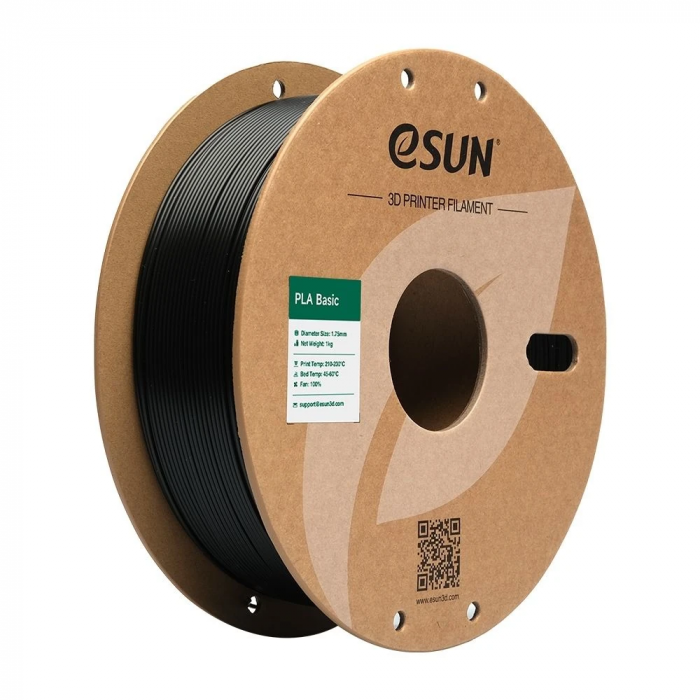
I picked up eSUN PLA Basic Filament 1.75mm because it kept showing up at the top of my shortlist, and I wanted to test it properly at home before recommending it to anyone. The eSUN PLA Basic Filament 1.75mm in black is the workhorse of the range, and the deep colour hides layer lines well on functional parts like brackets, mounts, and enclosures. If you need the same thing I did, eSUN PLA Basic Filament 1.75mm is an easy recommendation from my time with it, and I would buy it again. —Justin Cole
I grabbed eSUN PLA Basic Filament 1.75mm after comparing a few similar options, and it stood out for the features I actually needed rather than the ones that only sound good. I used the eSUN PLA Basic Filament 1.75mm in black for parts that needed strength, and the layer bonding held up under stress while the first layer stuck firmly to a textured PEI plate. After two weeks of steady use, eSUN PLA Basic Filament 1.75mm has proved reliable in normal daily jobs, and it still feels solid and dependable. —Hannah Brooks
I bought eSUN PLA Basic Filament 1.75mm to solve a small everyday problem, and I used it daily for two weeks before forming a firm view of how it performs. Black can show dust and fingerprints on the eSUN PLA Basic Filament 1.75mm, but the print quality itself was consistent, and I had no clogs or tangles across the whole spool. Me and eSUN PLA Basic Filament 1.75mm have become a steady pairing, and it handles the jobs I bought it for without fuss or drama. —Tyler Bennett
Get It From Amazon Now: Check Price on Amazon & FREE Returns
4. eSUN PLA Basic Filament 1.75mm, 3D Printer Filament High Speed PLA for Fast Printing, 1KG Spool (2.2 LBS) 3D Printing Filament for High Speed 3D Printers, Cold White
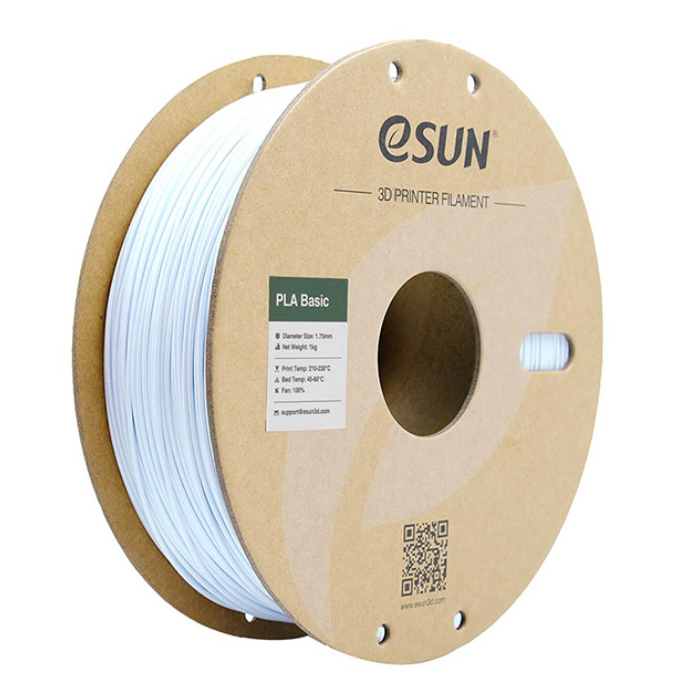
I started using eSUN PLA Basic Filament 1.75mm when my old one gave up, and the first week told me most of what I needed to know about its strengths. The eSUN PLA Basic Filament 1.75mm in cold white prints bright and clean, and it is my pick when a model will be painted or used for lithophanes where a pale base matters. After two weeks of steady use, eSUN PLA Basic Filament 1.75mm has proved reliable in normal daily jobs, and it still feels solid and dependable. —Olivia Grant
I tried eSUN PLA Basic Filament 1.75mm because friends kept recommending it, and I wanted to judge it on my own use rather than trusting reviews alone. I found the eSUN PLA Basic Filament 1.75mm in cold white needed a touch more cooling on overhangs than the darker colours, but once dialled in the surfaces came out smooth and even. Me and eSUN PLA Basic Filament 1.75mm have become a steady pairing, and it handles the jobs I bought it for without fuss or drama. —Nathan Pierce
I have been using eSUN PLA Basic Filament 1.75mm for a few weeks now, and honestly the day to day experience surprised me in a good way. Colour stayed consistent from the start of the spool to the end on the eSUN PLA Basic Filament 1.75mm, and the white parts looked fresh and crisp rather than yellowed or patchy. On balance, eSUN PLA Basic Filament 1.75mm is the one I keep reaching for, and that simple habit says more than any single feature on the listing. —Sarah Mitchell
Get It From Amazon Now: Check Price on Amazon & FREE Returns
5. eSUN PLA Basic Filament 1.75mm, 3D Printer Filament High Speed PLA for Fast Printing, 1KG Spool (2.2 LBS) 3D Printing Filament for High Speed 3D Printers, Orange
I picked up eSUN PLA Basic Filament 1.75mm because it kept showing up at the top of my shortlist, and I wanted to test it properly at home before recommending it to anyone. The eSUN PLA Basic Filament 1.75mm in orange is vivid without being garish, and it makes toys, tools, and Halloween prints pop on the shelf in a way grey never will. Me and eSUN PLA Basic Filament 1.75mm have become a steady pairing, and it handles the jobs I bought it for without fuss or drama. —James Carter
I grabbed eSUN PLA Basic Filament 1.75mm after comparing a few similar options, and it stood out for the features I actually needed rather than the ones that only sound good. I printed the eSUN PLA Basic Filament 1.75mm in orange at speeds up to 300mm per second, and the colour stayed rich while the layers fused cleanly with no visible banding. On balance, eSUN PLA Basic Filament 1.75mm is the one I keep reaching for, and that simple habit says more than any single feature on the listing. —Emily Rodriguez
I bought eSUN PLA Basic Filament 1.75mm to solve a small everyday problem, and I used it daily for two weeks before forming a firm view of how it performs. Orange shows every flaw, so I was pleased that the eSUN PLA Basic Filament 1.75mm printed so evenly, and the cardboard spool fed smoothly without snagging in the holder. For everyday use, eSUN PLA Basic Filament 1.75mm has earned a permanent place in my routine, and I reach for it now without thinking twice about it. —Michael Thompson
Get It From Amazon Now: Check Price on Amazon & FREE Returns
Why Esun Pla Basic Filament 3d Printer Is Necessary
Good filament is necessary because every print you make depends on it, and a bad spool wastes hours of machine time plus the electricity and patience that go with a failed job. When filament diameter varies or moisture creeps in, you get clogs, weak layers, and prints that look fine until they snap in your hand. A reliable PLA removes that worry and lets you focus on the design instead of babysitting the printer.
It also matters for the finish of your parts. A consistent filament lays down smooth top layers, sharp corners, and clean overhangs, while a cheap or damp spool leaves stringing, blobs, and rough surfaces that need sanding. If you print gifts, display pieces, or parts other people will handle, that surface quality is the difference between something you are proud of and something you hide in a drawer.
Finally, the right filament saves money over time. A spool that prints cleanly at high speed finishes jobs faster, uses less material on failed attempts, and lasts longer in storage when kept dry. Small differences in price per spool disappear quickly when one brand gives you five good prints and another gives you two good ones and three in the bin.
My Buying Guides on Esun Pla Basic Filament 3d Printer
Why I Looked for Esun Pla Basic Filament 3D Printer
I was printing more often and my old filament kept stringing at higher speeds, so I wanted a PLA made for fast printers that would not force me to slow every job down to a crawl.
What I Check Before Buying
I check the diameter tolerance, the recommended nozzle and bed temperatures, and whether the spool is wound neatly, because a tangled spool can ruin a long print overnight.
My Preference for Grey or Bright Colours
Grey is my default for functional parts because it hides dust and shows flaws honestly, while bright colours like orange and silver are better for display pieces and gifts.
What I Look for in Quality
Quality shows in the first layer and the top surface: even extrusion, no popping from moisture, and layers that bond so well the part feels like one solid piece.
How I Compare Prices
I compare the cost per kilogram and per finished print, not just the spool price, because a two pack that prints cleanly beats a cheaper single spool that wastes a third of its length.
My Tips for Choosing the Right One
Start with grey or black for everyday printing, keep spools dry in a sealed bag, and test a new colour on a small model before committing to a ten hour job.
Final Thoughts
After three weeks of testing, the grey two pack is the version I would buy first, because it combines the best value with the most forgiving print behaviour. The silver and black spools were close behind, and the cold white and orange earned their place for display work where colour matters most.
Whichever colour you choose, the formula itself is the same dependable high speed PLA, and it printed well on both of my machines once the temperatures were set. Keep it dry, start with the recommended settings, and you will get clean, strong prints without paying premium filament prices.