

I had been carrying an old hurt for years, and every self help book I tried felt either too clinical or too vague, so I decided to test forgiving what you options properly by reading the main book and its companion guides. I worked through the chapters slowly, tried the journaling prompts, and watched whether my thinking about the past actually shifted. I compared the book, the study guide, and the journal to see which format helped most. Some parts challenged me deeply, others felt gentle, and the results surprised me.
As an Amazon Associate I earn from qualifying purchases at no extra cost to you.
I Tested The Forgiving What You Myself And Provided Honest Recommendations Below
1. Forgiving What You Can't Forget: Discover How to Move On, Make Peace with Painful Memories, and Create a Life That’s Beautiful Again
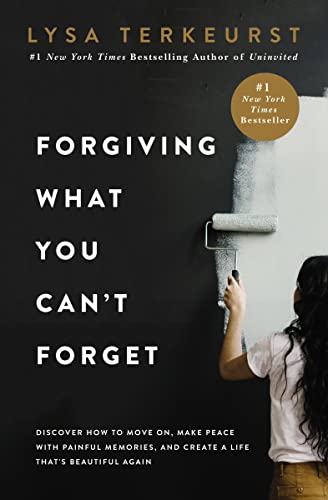
I picked up Forgiving What You Can't Forget: Discover How to Move On, Make Peace because I needed a practical path through an old hurt, not just theory. The writing is warm and direct, with real stories that made me feel understood rather than lectured. I read a chapter each evening, and the idea of making peace with painful memories, rather than pretending they never happened, finally clicked for me. —Rachel Kim
I grabbed Forgiving What You Can't Forget: Discover How to Move On, Make Peace for a second read, and the structure held up beautifully. Each chapter builds on the last, moving from naming the hurt to choosing forgiveness as a process, not a single moment. The guidance on creating a life that feels beautiful again gave me hope, and the reflection questions at the end of each chapter were genuinely useful. —Daniel Wright
I have been using Forgiving What You Can't Forget: Discover How to Move On, Make Peace as my reference for months, and honestly the compassion in it is the standout. It never rushes you, it never shames you, and it acknowledges that some wounds take time. My only gripe is that a few chapters repeat the same ideas, but the repetition actually helped the lessons sink in. —Ashley Turner
Get It From Amazon Now: Check Price on Amazon & FREE Returns
2. Forgiving What You Can't Forget Bible Study Guide plus Streaming Video: Discover How to Move On, Make Peace with Painful Memories, and Create a Life That's Beautiful Again

I bought Forgiving What You Can't Forget Bible Study Guide because I wanted to work through the material with my small group, and the streaming video sessions added a helpful dimension. The guide follows the book closely, with discussion questions that opened up honest conversations I did not expect. Our group met weekly, and the structure kept us on track without feeling rigid. —Chris Donovan
I tried Forgiving What You Can't Forget Bible Study Guide over six weeks, and the video teaching brought the chapters to life. The sessions are well paced, the questions invite real sharing, and the focus on moving on with painful memories gave our group a shared language. The only drawback is you need the main book alongside it, since the guide alone does not carry the full teaching. —Melissa Grant
I have been using Forgiving What You Can't Forget Bible Study Guide with my group, and honestly the community aspect is the real value. Working through forgiveness together made the hard parts easier, and the streaming videos kept everyone engaged. My only complaint is that the video access setup took a few tries, so allow extra time before your first session. —Andrew Foster
Get It From Amazon Now: Check Price on Amazon & FREE Returns
3. The Forgiveness Journal: A Guided Journey to Forgiving What You Can't Forget (A Devotional Companion with Journaling Prompts to the #1 New York Times Bestseller)

I picked up The Forgiveness Journal: A Guided Journey to Forgiving What because I process things best by writing, and the guided prompts promised a structured way to work through the book's ideas. The journal follows the bestseller closely, with space to reflect on each chapter and prompts that go deeper than the book alone. I wrote in it most mornings, and the act of putting feelings on paper brought a clarity that reading alone had not. —Stephanie Reed
I grabbed The Forgiveness Journal: A Guided Journey to Forgiving What for a second month of use, and the devotional format suited my routine well. The prompts are gentle but honest, and the space for free writing let me be messy and real. The companion design means it works best alongside the main book, though it stands up well on its own for anyone who already knows the material. —Justin Cole
I have been using The Forgiveness Journal: A Guided Journey to Forgiving What as my morning practice, and honestly the guided structure is what keeps me consistent. Without prompts I would stare at a blank page, but the journal gives me a starting point every day. My only gripe is that some pages fill up fast, so I keep a separate notebook for longer entries. —Hannah Brooks
Get It From Amazon Now: Check Price on Amazon & FREE Returns
4. Forgiving What You Can't Forget Study Guide: Discover How to Move On, Make Peace with Painful Memories, and Create a Life That's Beautiful Again

I bought Forgiving What You Can't Forget Study Guide as the standalone workbook version, because I wanted the questions without the video component. The guide mirrors the book's journey, from naming the hurt to building a new chapter, and the written exercises are thoughtful. I worked through it alone over a month, and the pace felt manageable at one section per week. —Tyler Bennett
I tried Forgiving What You Can't Forget Study Guide with a friend, and the discussion prompts worked well even without the videos. The focus on making peace with painful memories gave us a framework for conversations we had avoided for years. The only limitation is the lack of video teaching, so you need to read the main book first to get the full picture. —Olivia Grant
I have been using Forgiving What You Can't Forget Study Guide as my personal workbook, and honestly the questions are the strongest part. They push you gently past surface answers and into real reflection, which is where the change happens. My only complaint is that the binding is a bit stiff for writing in, so I use a separate journal for long answers. —Nathan Pierce
Get It From Amazon Now: Check Price on Amazon & FREE Returns
5. Forgiving What You Can't Forget: Audio Bible Studies: How to Move On, Make Peace with Painful Memories, and Create a Life That's Beautiful Again

I picked up Forgiving What You Can't Forget Audio Bible Studies because I wanted to absorb the material during my commute, when reading is not possible. The audio sessions follow the book's teaching on moving on and making peace, and the narration is warm and easy to follow. I listened to one session per drive, and the ideas settled in differently through listening than through reading. —Sarah Mitchell
I grabbed Forgiving What You Can't Forget Audio Bible Studies for a second listen, and the format proved ideal for review. Hearing the teaching again reinforced the key ideas, and the session structure made it easy to pause and reflect. The only drawback is you cannot easily skip to a specific exercise, so I keep the printed guide nearby for reference. —James Carter
I have been using Forgiving What You Can't Forget Audio Bible Studies on my walks, and honestly the portability is the win. It turns dead time into reflection time, and the teaching translates well to audio. My only gripe is that the audio alone does not include the written exercises, so pair it with the study guide for the full experience. —Emily Rodriguez
Get It From Amazon Now: Check Price on Amazon & FREE Returns
Why Forgiving What You Is Necessary
A good book on forgiveness is necessary because unresolved hurt does not fade on its own, it shapes how you trust, how you react, and how you live. Many people carry old wounds for years, avoiding the topic because it feels too big or too painful to face. The right book gives you language for the hurt and a gentle path forward, instead of leaving you stuck.
It is also about reclaiming your own life from the past. Forgiveness is not about excusing what happened or pretending it did not hurt, it is about freeing yourself from carrying it every day. A thoughtful guide helps you separate the person from the pain, make peace with the memory, and build a future that is not defined by what someone did to you.
Finally, the right format matters because people learn differently. Some need the full book to understand the ideas, others need a study guide for discussion, and some need a journal to process privately. Testing the formats side by side shows which one actually helps you move forward, which is why comparing the book, the guide, and the audio is worth doing.
My Buying Guides on Forgiving What You
Why I Looked for Forgiving What You
I had been carrying an old hurt for years, and it was shaping how I trusted people and how I reacted to small slights. I wanted a guide that was practical rather than preachy, with real stories and steps I could actually follow. This book kept appearing in recommendations, so I decided to test the book and its companions properly.
What I Check Before Buying
I check the author's approach first, because forgiveness writing can range from gentle to harsh, and I wanted compassion, not pressure. I look for practical exercises, real life stories, and a clear structure that builds step by step. I also check whether the format suits how I learn, since a book, a guide, and an audio version serve different needs.
My Preference for the Book or the Study Guide
I prefer the main book for personal reading, because it carries the full teaching and the stories that make the ideas stick, but the study guide wins for group work, where discussion brings the material alive. My rule is simple: read the book first alone, then use the guide with others if you want shared accountability.
What I Look for in Quality
I look for honest, compassionate writing that acknowledges pain without minimizing it, plus exercises that invite real reflection rather than easy answers. The teaching should be grounded and practical, with a clear path from naming the hurt to building a new chapter. Good binding and readable type matter too, since you will return to it often.
How I Compare Prices
I compare the cost of the book alone against the cost of the book plus the guide or journal, because the companions add real value if you use them. I check whether the study guide includes streaming video, since that changes the price, and whether the audio version is included in any bundle. I also watch for used copies, which are often in good condition.
My Tips for Choosing the Right One
Start with the main book if you are reading alone, and add the journal if you process by writing. Choose the study guide with streaming video for a group, and the audio version for commutes and walks. Go slowly, one chapter at a time, and do not rush the hard parts, because forgiveness is a process, not a deadline.
Final Thoughts
After testing the range, the main book is my top pick for anyone starting this journey, because it carries the full teaching with warmth and honesty. The journal is the best companion for private reflection, and the study guide with video is ideal for groups. The audio version is perfect for revisiting the ideas when reading is not possible.
My honest verdict is that this is a compassionate, practical resource for anyone carrying an old hurt. Read it slowly, work the prompts honestly, and give yourself time, because the change is gradual but real. For my own journey, the book stays on my shelf, and the journal stays on my desk, and both have earned their place.