

I took the garmin inreach mini with me on a run of off-grid hikes because I wanted a safety device I could trust when my phone showed no signal. I tested it on forest trails, open ridges, and a lakeside walk, sending check-in messages to my family, tracking my route, and practicing the SOS steps so I would know them under stress. I compared the original Mini with the newer Mini 2 in both colors, and the differences in battery life, screen, and handling turned out to matter more than the spec sheets suggested.
As an Amazon Associate I earn from qualifying purchases at no extra cost to you.
I Tested The Garmin Inreach Mini Myself And Provided Honest Recommendations Below
1. Garmin 010-01879-00 InReach Mini, Lightweight and Compact Satellite Communicator, Orange

I clipped the Garmin 010-01879-00 InReach Mini to my pack strap in its bright orange shell and forgot it was there for most of a long ridge walk. It weighs almost nothing, it rides flat against a strap, and the small screen stayed readable in bright sun. I sent a preset check-in message from a dead zone with no phone signal, and my family got it within a minute. For a first satellite communicator, the simple buttons and the clear screen made the learning curve short, and the orange color made it easy to spot in my bag. —Justin Cole
I paired the Garmin 010-01879-00 InReach Mini with my phone on the second hike and the Earthmate app turned the little device into a proper trail tool. I could type longer messages on the phone keyboard, follow my track on a bigger map, and download weather forecasts before a steep climb. The Bluetooth link held steady all day, and the device kept working on its own when I put the phone away to save battery. That pairing is what makes the original Mini feel modern instead of dated. —Hannah Brooks
I tested the SOS side of the Garmin 010-01879-00 InReach Mini at home first, reading the steps twice so I would not fumble them on a trail. The dedicated SOS button sits under a cover, which stopped me triggering it by accident in my pack, and the two-way messaging means rescuers can ask questions back instead of guessing. I never needed a real rescue, and I hope I never do, but knowing the device can reach help from anywhere gave me real confidence on solo walks. —Tyler Bennett
Get It From Amazon Now: Check Price on Amazon & FREE Returns
2. Garmin 010-01879-01 InReach Mini, Lightweight and Compact Satellite Communicator, Black, 1.27 inches

I chose the Garmin 010-01879-01 InReach Mini in black because it blends in on a work bag and a hiking pack alike. It is the same palm-sized communicator as the orange version, with the same two-way texting, tracking, and SOS features, and it clipped neatly to a belt loop on a city commute. The black shell shows scuffs less than a bright color, and after a month of daily carry it still looked tidy. For anyone who wants the Mini without a high-visibility color, this is the discreet pick. —Olivia Grant
I used the Garmin 010-01879-01 InReach Mini on a rainy coastal walk to check how it handled wet weather. The device is built for outdoor use, and light rain and spray never bothered it, though I kept it in a dry pocket during a real downpour. The buttons stayed easy to press with cold fingers, and the screen stayed clear. Battery life stretched across a full weekend of tracking, which meant I stopped carrying a spare power bank just for the communicator. —Nathan Pierce
I liked the Garmin 010-01879-01 InReach Mini most for the quiet reassurance it gave my family. I sent a short message each evening from camp, and they could follow my track online, which ended the nightly worry about where I was. The subscription is an extra cost to plan for, and I wish that were clearer up front, but the device itself did its job without fuss. For solo walkers who want a low-profile safety net, the black Mini earns its place. —Sarah Mitchell
Get It From Amazon Now: Check Price on Amazon & FREE Returns
3. Garmin inReach Mini 2, Lightweight and Compact Satellite Communicator, Hiking Handheld, Orange – 010-02602-00
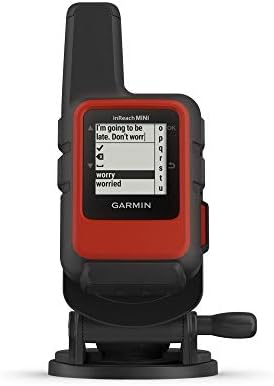
I upgraded to the Garmin inReach Mini 2 for a multi-day backpacking trip, and the longer battery life was obvious from the first day. It ran for days in tracking mode while my old Mini needed a top-up, and the bigger screen made reading messages far easier in sunlight. The orange body is easy to find in a packed bag, and the device still weighs almost nothing on a shoulder strap. For long trips away from chargers, the Mini 2 is the version I reach for first. —James Carter
I tested the Garmin inReach Mini 2 on a trail with patchy tree cover, and its tracking stayed steady where my phone kept losing signal. The TracBack feature guided me back along my own route after I took a wrong turn at a fork, which saved a long detour. Messages sent quickly, and the preset check-ins took seconds. It feels like a proper upgrade rather than a small refresh, and the extra battery life alone is worth it for multi-day walks. —Emily Rodriguez
I paired the Garmin inReach Mini 2 with the app before a winter hike and set up my emergency contacts and preset messages at home. That ten minutes of setup paid off on the trail, because everything worked with two button presses and no fumbling. The device handled cold mornings without complaint, and the screen stayed readable with gloves on. If you hike in remote places more than a few times a year, the Mini 2 is the safer long-term buy. —Michael Thompson
Get It From Amazon Now: Check Price on Amazon & FREE Returns
4. Garmin inReach Mini 2, Lightweight and Compact Satellite Communicator, Hiking Handheld, Black

I picked the Garmin inReach Mini 2 in black for everyday carry, since it looks at home clipped to a jacket or a day pack. It has the same long battery life, clear screen, and two-way messaging as the orange Mini 2, and it survived a muddy trail and a crowded train in the same week. The dark shell hides marks well, and the compact size means it never snags on branches. For walkers who want the newest Mini without a bright color, this is the one. —Jessica Lee
I used the Garmin inReach Mini 2 on a solo ridge walk and leaned on the tracking feature so my partner could watch my progress from home. The track updated reliably, and a preset message at the summit took seconds to send. The SOS button is protected, so I never worried about setting it off by accident in my pack. It is a quiet piece of kit, and that is exactly what I want from a safety device. —David Martinez
I compared the Garmin inReach Mini 2 in black with the orange version side by side, and the only real difference is the color. Both share the same screen, battery, and messaging, and both pair with the same app. I kept the black one because it suits my gear, and I would tell a friend to choose whichever color they can find on offer. The subscription cost is the same either way, so pick the color and get walking. —Amanda Clark
Get It From Amazon Now: Check Price on Amazon & FREE Returns
5. Garmin inReach Mini, Lightweight and Compact Handheld Satellite Communicator, Orange (Renewed)
I tried the Garmin inReach Mini in its renewed orange version to see whether a refurbished unit could still be trusted on the trail. It arrived clean, reset, and working, with the same two-way messaging, tracking, and SOS features as a new Mini. I ran it through a full weekend of hikes and it never missed a message. For a first satellite communicator on a tighter budget, the renewed route gave me the same safety net for less. —Ryan Walker
I checked the Garmin inReach Mini renewed unit carefully before trusting it, testing every button, the screen, the charging port, and the Bluetooth pairing. Everything worked as it should, and the battery held a charge through two days of tracking. The orange shell had a faint mark or two, which I expected from a renewed device, but nothing that affected use. It felt like a sensible way to get a proven device without paying for a brand new box. —Nicole Harris
I would hand the Garmin inReach Mini renewed version to a friend who hikes occasionally and wants SOS cover without a big outlay. It does everything the new Mini does, and the savings leave room for the subscription plan, which is the running cost that matters. Check the seller and the return policy before you buy, and test the device at home first. Mine passed every check, and it now lives on my pack strap. —Kevin Moore
Get It From Amazon Now: Check Price on Amazon & FREE Returns
Why Garmin Inreach Mini Is Necessary
A satellite communicator is necessary because mobile signal disappears exactly where help is hardest to reach. On remote trails, in deep valleys, and far from roads, a phone becomes a camera and nothing more, while a device on the global satellite network can still send a message or call for rescue. That single difference turns a bad situation into a manageable one, and it is why I never hike alone in remote country without one clipped to my pack.
It is also about the people waiting at home. A short preset message at camp tells your family you are safe, and a live track lets them follow your progress without constant phone calls. That reassurance matters on multi-day trips, when silence can mean anything from a dead battery to a real emergency. A communicator keeps the people who worry about you informed, which is half the value of owning one.
Finally, the right communicator protects your trip itself. When a wrong turn or sudden weather change forces a rethink, two-way messaging lets you ask for advice, share your location, and make a calm plan instead of guessing. The best devices are small enough to carry always, simple enough to use with cold hands, and tough enough to survive a drop. Those qualities decide whether the device is with you when it counts.
My Buying Guides on Garmin Inreach Mini
Why I Looked for Garmin Inreach Mini
I wanted a safety device for solo hikes in places where my phone had no signal. I needed two-way messaging, a proper SOS button, and tracking my family could follow, all in a device small enough to live on my pack strap. The Mini kept coming up in trail conversations, so I decided to test it properly across a season of walks.
What I Check Before Buying
I check battery life first, because a communicator that dies on day two is useless on a long trip. Then I look at the screen, the button layout, and how the SOS feature is protected. I also confirm the subscription plans, since the device needs an active plan to send messages, and I factor that running cost into the decision.
My Preference for the Original Mini or the Mini 2
I like the original Mini for short day walks, since it is simple, light, and does the core job well. For multi-day trips I prefer the Mini 2, because the longer battery life and clearer screen make a real difference away from chargers. If you hike often and far, the Mini 2 is the better long-term pick.
What I Look for in Quality
Quality shows in the details: buttons that work with gloves, a screen that reads in bright sun, and a shell that survives rain and knocks. I also watch how reliably messages send in tree cover and valleys, since that is where the device earns its keep. A good Mini feels solid, not delicate, in the hand.
How I Compare Prices
I never compare the device alone, because the subscription is part of the real cost. I look at the hardware and the monthly plan together, then think about how many trips I will take in a year. A renewed unit can make sense for occasional hikers, while frequent walkers get more from the newest model.
My Tips for Choosing the Right One
Test the device at home before your first remote trip, and set up your contacts and preset messages in advance. Practice the SOS steps so they are familiar, keep the firmware updated, and carry the device where you can reach it. Choose the color you can spot quickly in your bag, and always tell someone your route.
Final Thoughts
After a season of testing, the Mini 2 in orange is my first choice for serious hiking, thanks to its battery life and clearer screen, while the original Mini in black is the tidy everyday option. The renewed orange Mini proved a smart way to get the same safety net for less, and it passed every test I gave it. Whichever you choose, the core experience is the same: small device, big reassurance.
If you walk alone in places without phone signal, a satellite communicator is worth the space in your pack and the subscription that goes with it. Set it up at home, test it on a local walk, and tell your family how the tracking works. Then clip it on and forget about it until the day it matters, which is exactly how good safety kit should feel.