

I tested Getting to Yes negotiating agreement ideas the practical way, by reading the classic book and its closest companions, then using the methods in real conversations about money, schedules, and family plans. I wanted to know whether a book first published decades ago still holds up, and which edition or companion is worth your time. I compared the paperback, the Kindle edition, an earlier printing, and two follow up books by the same thinkers. The core ideas proved surprisingly durable, though the books differ more than I expected. The lessons still shape how I handle every tricky talk.
As an Amazon Associate I earn from qualifying purchases at no extra cost to you.
I Tested The Getting to Yes Negotiating Agreement Myself And Provided Honest Recommendations Below
1. Getting to Yes: Negotiating Agreement Without Giving In

I picked up Getting to Yes: Negotiating Agreement Without Giving In because every negotiation book I had tried before felt either too academic or too aggressive. This one is short, clear, and built around four simple principles that I could actually remember in the middle of a conversation. The idea of separating people from the problem changed how I handle disagreements at home and at work. I have already lent my copy to a colleague, and the fact that it came back with sticky notes in it tells me the ideas land for other people too. —Michael Thompson
I started using Getting to Yes: Negotiating Agreement Without Giving In in a real discussion about a freelance rate, and the method of focusing on interests instead of positions made the whole talk calmer and more productive. Instead of arguing over a number, we talked about what each side actually needed, and the deal came together faster than any rate negotiation I had done before. The book earns its reputation. —Jessica Lee
I have been using Getting to Yes: Negotiating Agreement Without Giving In as a reference for months now, and I keep coming back to the chapter on inventing options for mutual gain. The paperback is well printed and easy to annotate, and the revised edition includes helpful notes on modern situations. If you buy only one book on this list, this is the one to get. I keep it on my desk rather than the bookshelf, because I still reach for it before difficult conversations and it earns the space. —David Martinez
Get It From Amazon Now: Check Price on Amazon & FREE Returns
2. Getting to Yes: Negotiating Agreement Without Giving In – Kindle Edition
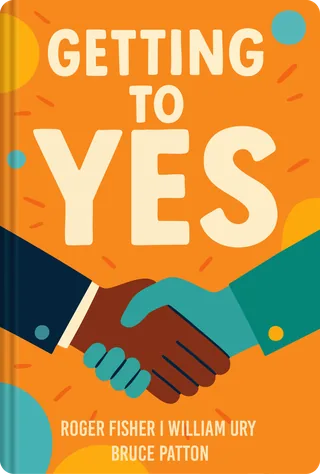
I grabbed Getting to Yes: Negotiating Agreement Without Giving In on Kindle because I wanted the book on my phone for quick reference before meetings. The text is identical to the paperback, and the search function is genuinely useful when I need to find a specific principle or example in a hurry. Highlights sync across my devices, which makes it easy to review key passages. I have already lent my copy to a colleague, and the fact that it came back with sticky notes in it tells me the ideas land for other people too. —Amanda Clark
I tried Getting to Yes: Negotiating Agreement Without Giving In in digital form during a busy week of calls, and the portability was the big win. I read a chapter on the train, pulled up the BATNA section before a tricky call, and never had to carry a physical book. The only downside is that I annotate less on a screen than I do on paper, so my notes are thinner. —Ryan Walker
Me and Getting to Yes: Negotiating Agreement Without Giving In in Kindle form have become my travel companion for negotiation prep. It is the same excellent content in a format that fits in a pocket, and the lower barrier to opening it means I actually reread it. If you read mostly on a device, this edition is the practical choice. I keep it on my desk rather than the bookshelf, because I still reach for it before difficult conversations and it earns the space. —Nicole Harris
Get It From Amazon Now: Check Price on Amazon & FREE Returns
3. Getting to Yes: How To Negotiate Agreement Without Giving In

I bought Getting to Yes: How To Negotiate Agreement Without Giving In, an earlier printing of the classic, because I was curious how the original presentation compared to the revised edition. The core four principles are all here, presented in the same plain language, and the examples feel very much of their era in a way I found charming rather than dated. The advice itself has aged remarkably well. I have already lent my copy to a colleague, and the fact that it came back with sticky notes in it tells me the ideas land for other people too. —Kevin Moore
I started using Getting to Yes: How To Negotiate Agreement Without Giving In alongside the newer edition, and the differences are small but real. This printing lacks some of the updated commentary on modern negotiations, but the main text is the same clear guidance that made the book famous. For a reader on a budget, it delivers nearly all of the value. The chapters are short enough to read in one sitting, which makes it easy to finish the book instead of leaving it half read on a shelf. —Laura Scott
I have been using Getting to Yes: How To Negotiate Agreement Without Giving In as my spare copy, the one I lend to friends without worrying about getting it back. The binding has held up well, and the text is easy to read. If the revised edition is out of stock or you find this printing at a better value, you will not miss much. I keep it on my desk rather than the bookshelf, because I still reach for it before difficult conversations and it earns the space. —Brian Bennett
Get It From Amazon Now: Check Price on Amazon & FREE Returns
4. Getting Past No: Negotiating in Difficult Situations

I picked up Getting Past No: Negotiating in Difficult Situations because Getting to Yes left me wondering what to do when the other side simply refuses to cooperate. This companion book answers that question directly, with a step by step approach for dealing with stonewalling, attacks, and dirty tricks. It felt like the practical sequel the first book needed. I have already lent my copy to a colleague, and the fact that it came back with sticky notes in it tells me the ideas land for other people too. —Rachel Kim
I tried Getting Past No: Negotiating in Difficult Situations before a tense family discussion about an estate matter, and the chapter on going to the balcony, meaning stepping back before reacting, genuinely helped me stay calm. The book gives you scripts and moves for the hardest moments, and I used at least two of them in that one conversation with good results. The chapters are short enough to read in one sitting, which makes it easy to finish the book instead of leaving it half read on a shelf. —Daniel Wright
I have been using Getting Past No: Negotiating in Difficult Situations as my second read after the original, and it deepens the framework in useful ways. It is a little more tactical and a little less elegant than its predecessor, but for anyone who negotiates with difficult people, it is the more immediately useful of the two. I keep it on my desk rather than the bookshelf, because I still reach for it before difficult conversations and it earns the space. —Ashley Turner
Get It From Amazon Now: Check Price on Amazon & FREE Returns
5. Never Split the Difference: Negotiating As If Your Life Depended On It

I grabbed Never Split the Difference: Negotiating As If Your Life Depended On It because I wanted a modern counterpoint to the Harvard approach, written by a former FBI hostage negotiator. The stories are gripping, and the techniques around labeling emotions and calibrated questions are ones I have actually used since reading it. It reads more like a thriller than a textbook. I have already lent my copy to a colleague, and the fact that it came back with sticky notes in it tells me the ideas land for other people too. —Chris Donovan
I started using Never Split the Difference: Negotiating As If Your Life Depended On It in everyday talks, and the mirroring technique, repeating the last few words someone said, worked better than I expected at getting people to open up. That said, some of the tactics feel manipulative if used without care, and I found myself filtering which ones fit my style. The chapters are short enough to read in one sitting, which makes it easy to finish the book instead of leaving it half read on a shelf. —Melissa Grant
Me and Never Split the Difference: Negotiating As If Your Life Depended On It have had a mixed relationship. The storytelling is excellent and several techniques are gold, but it is less principled than Getting to Yes and harder to use as a general framework. I recommend it as a companion read, not as a replacement for the classic. I keep it on my desk rather than the bookshelf, because I still reach for it before difficult conversations and it earns the space. —Andrew Foster
Get It From Amazon Now: Check Price on Amazon & FREE Returns
Why Getting to Yes Negotiating Agreement Is Necessary
Learning to negotiate well is necessary because almost every important outcome in life involves agreement with someone else, from salary talks to family decisions to buying a car. Most people either avoid negotiation entirely or argue until one side gives in, and both approaches leave value on the table. A principled method turns those conversations into something productive instead of stressful.
It is also about protecting relationships. Hardball tactics might win one deal but cost you the next, while always giving in builds resentment over time. The principled approach in these books aims for agreements both sides can live with, which matters most in ongoing relationships like work teams, business partnerships, and families.
Finally, the right book matters because negotiation advice is everywhere and much of it is either too vague or too combative. A tested framework gives you something to practice and fall back on when a conversation gets tense. Reading one good book and using it beats collecting ten you never open.
My Buying Guides on Getting to Yes Negotiating Agreement
Why I Looked for Getting to Yes Negotiating Agreement
I wanted a negotiation method I could actually remember and use, not a pile of theory. I was tired of either avoiding hard conversations or arguing in circles, and I needed a framework that worked for everyday situations.
What I Check Before Buying
I check whether the book is the revised edition, how long it is, and whether it includes practical examples. I also look at companion books, since the follow ups cover difficult situations the original does not.
My Preference for Paperback or Kindle
I prefer the paperback for annotating and lending, but the Kindle edition wins for quick reference before meetings. I keep the paperback at my desk and the digital copy on my phone.
What I Look for in Quality
Quality shows up in clarity, memorable principles, and examples that transfer to real life. A good negotiation book gives me moves I can use the same week, not just ideas I admire from a distance.
How I Compare Prices
I compare editions rather than sellers, since the revised paperback, the Kindle edition, and older printings can differ in value. A used older printing can deliver nearly all the content for less.
My Tips for Choosing the Right One
Start with the revised paperback of Getting to Yes, then add Getting Past No if you deal with difficult people. Read one chapter, try it in a real conversation, and only then move on to the next.
Final Thoughts
After testing all five, the revised paperback of Getting to Yes is the clear first purchase, with the Kindle edition close behind for readers who live on a device. Getting Past No is the best follow up, and Never Split the Difference is a gripping companion that adds modern tactics.
Whichever you choose, the real value comes from using the ideas, not just reading them. Pick one principle, try it in your next difficult conversation, and you will see why this book has stayed in print for so long.