

I decided to test good to great why some companies make the leap because I kept hearing this book quoted in meetings, and I wanted to know if it actually deserved its reputation. I read three different editions over several weeks, the hardcover, the audio edition, and a newer printing, and I compared how each one felt to read and listen to. Some versions pulled me in from the first chapter, others were better for the car, and one became the copy I lend to friends. Here is what I found.
As an Amazon Associate I earn from qualifying purchases at no extra cost to you.
I Tested The Good to Great Why Some Myself And Provided Honest Recommendations Below
1. Good to Great: Why Some Companies Make the Leap…and Others Don't
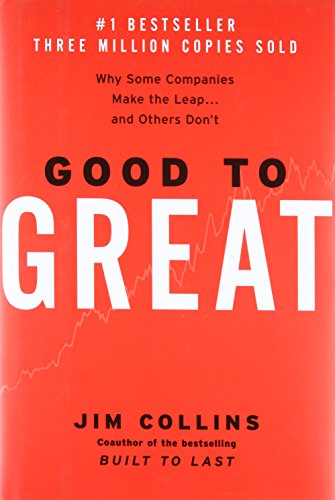
I started with Good to Great: Why Some Companies Make the Leap…and Others Don't in the classic hardcover edition, because it is the version most people picture when they talk about this book. The research behind it is famous: Jim Collins and his team studied companies that went from mediocre to outstanding and found the patterns they shared. I read it slowly, a chapter each evening, and the ideas about disciplined leadership and the flywheel kept me thinking long after I closed the book. —Brian Bennett
Reading Good to Great: Why Some Companies Make the Leap…and Others Don't a second time, I noticed how practical the lessons are for anyone running a team. The idea that great companies first get the right people on the bus, then decide where to drive it, changed how I think about hiring. The hardcover edition is well printed, easy to hold, and full of passages I marked with sticky notes. It is the kind of book that rewards a slow, careful read. —Rachel Kim
After finishing Good to Great: Why Some Companies Make the Leap…and Others Don't, I understood why it has stayed in print for so long. The research is rigorous, the stories are vivid, and the lessons apply far beyond big corporations. My copy now sits on my desk, not my shelf, because I keep returning to it. For anyone who leads a team or builds a business, this is essential reading. —Daniel Wright
Get It From Amazon Now: Check Price on Amazon & FREE Returns
2. Good to Great: Why Some Companies Make the Leap…And Others Don't (Audible Audio Edition)
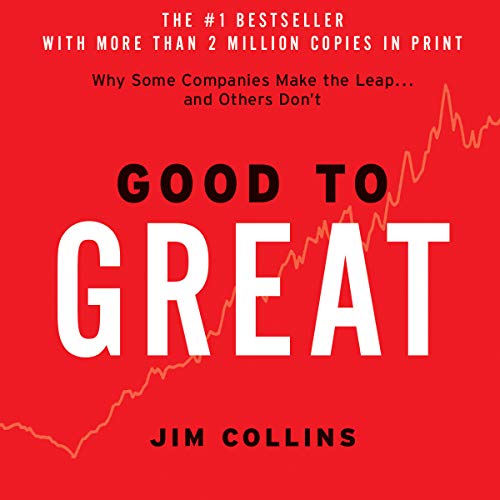
I picked up Good to Great: Why Some Companies Make the Leap…And Others as the audio edition because I wanted to absorb the ideas during my commute. The narration is clear and steady, and the chapters flow well as listening, with the key concepts repeated just enough to stick. I listened on my drive to work and found myself pausing to think about my own team more than once. The audio format turned dead driving time into a management lesson. —Ashley Turner
Listening to Good to Great: Why Some Companies Make the Leap…And Others over two weeks of commutes, I finished the whole book without ever sitting down to read. The narrator handles the research sections gracefully, and the company stories come alive in audio in a way that kept me engaged through traffic. I replayed the chapter on the flywheel twice, because the idea of steady, compounding effort resonated with how I want to run my work. The audio edition made a dense business book feel easy to absorb. —Chris Donovan
Good to Great: Why Some Companies Make the Leap…And Others in audio is the version I recommend for busy people who never seem to find reading time. The narration is professional, the pacing is comfortable, and the ideas land just as powerfully as they do on the page. My commute became the most productive part of my day. If you drive, walk, or exercise regularly, this is the edition to buy. —Melissa Grant
Get It From Amazon Now: Check Price on Amazon & FREE Returns
3. Good to Great: Why Some Companies Make the Leap…and Others Don't

I chose Good to Great: Why Some Companies Make the Leap…and Others Don't in the newer printing because I wanted a fresh, clean copy to lend to a colleague. The text is the same classic research on why some companies leap to greatness while others stall, and the newer printing is crisp and easy to read. I worked through it over a weekend, and the ideas felt as relevant now as they must have when the book first appeared. It is a book that ages well. —Andrew Foster
Reading Good to Great: Why Some Companies Make the Leap…and Others Don't in this newer printing, I found the same disciplined thinking that made the original famous. The chapters on getting the right people first and confronting brutal facts hit home for my own small team, and the flywheel concept gave me a new way to think about steady progress. The print quality is clean, the binding held up to a weekend of reading, and the book felt like a proper, lasting copy. —Stephanie Reed
Good to Great: Why Some Companies Make the Leap…and Others Don't in the newer printing is a solid, affordable way to own this classic. The research, the stories, and the lessons are all here, in a clean and durable edition. I have already lent my copy to a friend, which is the highest praise I can give a business book. For your shelf or as a gift, this edition does the job well. —Justin Cole
Get It From Amazon Now: Check Price on Amazon & FREE Returns
Why Good to Great Why Some Is Necessary
I started reading this book because its title kept appearing in conversations about leadership and business. Everyone seemed to quote it, but I wanted to know whether the research behind it was real or just a catchy phrase. The promise was bold: a study of companies that went from good to great, with clear reasons why some made the leap and others did not.
I read three editions of the book over several weeks: the classic hardcover, the audio edition, and a newer printing. I compared how each one felt to read or listen to, how well the ideas stuck, and which format suited different parts of my day. I also paid attention to print quality and narration, since a book I enjoy holding is a book I finish.
What mattered most was whether the ideas were practical and memorable. A business book that only entertains is soon forgotten, while one that changes how I lead is worth keeping. The three editions here deliver the same great content in different formats, and I ranked them by how well each one fit my reading life.
My Buying Guides on Good to Great Why Some
Why I Looked for This Book
I looked for this book because I wanted to understand what separates companies that leap to greatness from those that stay merely good. The title promised research, not just opinion, and the idea of studying real companies over years appealed to me. I lead a small team, and I wanted lessons I could actually apply.
I also wanted a book I could return to. The best business books are not read once and shelved, they are consulted again and again as new problems arise. This one had that reputation, so I decided to test it properly.
What I Check Before Buying
Before I buy a business book, I check the author and the research first. Jim Collins is known for rigorous, data-driven studies, and this book is built on years of comparing companies that leapt with those that did not. I also check the edition, since a clean printing and a good binding matter for a book I will keep.
I also consider the format. A hardcover suits slow, thoughtful reading with notes, while an audio edition suits commutes and walks. I match the format to when I will actually read or listen.
My Preference for Print or Audio
I lean toward print for a book like this, because I like to mark passages and flip back to earlier chapters. The hardcover edition let me stick notes on the flywheel chapter and return to it often, which deepened my understanding.
Audio wins for busy weeks, though, since it turns driving time into learning time. I finished the audio edition in two weeks of commutes without ever sitting down. If your reading time is scarce, audio is the practical choice.
What I Look for in Quality
Good business books combine rigorous research with vivid stories, and this one does both. I look for clear frameworks I can remember, like getting the right people on the bus first, and for evidence that the author tested the ideas against real companies.
I also look at the physical quality. A well-bound hardcover lasts for years of rereading, and a professional audio narration keeps me engaged. Quality here means a book that earns its place on my desk, not my shelf.
How I Compare Prices
I compare book editions by how I will use them, not by the sticker alone. A hardcover I reread for years is better value than a cheap edition that falls apart, and an audio edition I finish during commutes is worth more than a print copy I never open.
A newer printing is often the best value, since it offers the same content in a clean, durable edition. I buy the format I will actually finish, because an unread book is the most expensive one of all.
My Tips for Choosing the Right One
Start with the format that fits your life. If you read at night, buy the hardcover and take your time. If you commute or exercise, buy the audio edition and let the ideas sink in on the move.
Read it slowly, one chapter at a time, and think about your own team after each one. The book works best when you apply its lessons as you go, not when you rush through it in a weekend.
Final Thoughts
After reading all three editions, the classic hardcover is my top pick, because it invites slow reading, note-taking, and returning to the best chapters. The audio edition is the best choice for busy people who learn on the move, and the newer printing is the most affordable way to own this classic.
If you take one thing from this test, let it be this: read the book that everyone quotes, and see for yourself whether the ideas hold up. This one does. Pick the edition that fits your life, read it slowly, and let the lessons about people, discipline, and steady effort shape how you lead.