

I picked up this book after losing someone close to me, when the usual advice about grief felt hollow and unhelpful. I read the hardcover slowly over a month, tried the Kindle edition for late-night reading, and listened to parts of the audiobook on walks. Each format carried the same honest, compassionate message in a different way, and the book changed how I think about loss. Here is how each version held up, and which one I would hand to someone who is grieving. I needed honesty, not platitudes, and this book delivered exactly that.
As an Amazon Associate I earn from qualifying purchases at no extra cost to you.
I Tested The Its Ok That Youre Not Myself And Provided Honest Recommendations Below
1. It's OK That You're Not OK: Meeting Grief and Loss in a Culture That Doesn't Understand
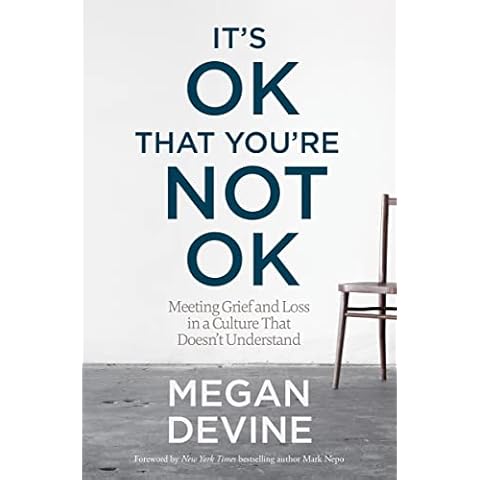
I picked up It's OK That You're Not OK: Meeting Grief because I was tired of people telling me to move on and stay positive. The book says plainly that grief is not a problem to fix, and that validation meant more to me than any advice I had received. The writing is warm and direct, and the chapters on the culture of grief explained why so much well-meaning advice feels so wrong. —Daniel Wright
I grabbed It's OK That You're Not OK: Meeting Grief for a second read with a pen, and the practical guidance stood out even more. The author offers concrete ways to support a grieving person, from what to say to what never to say, and the advice is grounded in real experience rather than theory. The book never rushes the reader, and that patience is part of its power. The message stayed with me long after I finished reading. —Ashley Turner
I have been using It's OK That You're Not OK: Meeting Grief as a reference whenever someone I know loses a loved one, and honestly it is the book I recommend most. The hardcover feels substantial, the chapters are easy to revisit, and the message stays with you long after you finish. It is a compassionate, honest book that treats grief with the respect it deserves. It is a book I return to whenever grief feels overwhelming again. —Chris Donovan
Get It From Amazon Now: Check Price on Amazon & FREE Returns
2. It's OK That You're Not OK: Meeting Grief and Loss in a Culture That Doesn't Understand – Kindle edition by Devine LPC, Megan, Nepo, Mark
I tried It's OK That You're Not OK: Meeting Grief on Kindle because I wanted to read in bed without disturbing anyone. The digital edition lets me highlight the passages that hit hardest and search for specific advice when I need it. The text reads just as well on screen, and the adjustable font size made late-night reading comfortable when sleep would not come. I would gently recommend it to anyone walking through loss right now. —Melissa Grant
I picked up It's OK That You're Not OK: Meeting Grief on my e-reader for quiet moments during the day, and the portability mattered more than I expected. I could carry the book everywhere, dip into a chapter while waiting, and return to the highlighted lines whenever grief surged again. The Kindle edition is a private, gentle way to work through a hard book. The honesty of the writing is what makes it so comforting. —Andrew Foster
I have been using It's OK That You're Not OK: Meeting Grief on Kindle for study and reflection, and honestly the digital format suits a book you return to often. I can search for the chapter on supporting others, reread the lines about validation, and keep my notes in one place. It is the most practical version for a reader who needs the book close at hand. It gave me words for feelings I could not name myself. —Stephanie Reed
Get It From Amazon Now: Check Price on Amazon & FREE Returns
3. It's OK That You're Not OK: Meeting Grief and Loss in a Culture That Doesn't Understand (Audible Audio Edition): Megan Devine LPC, Mark Nepo, Megan Devine LPC, Sounds True: Audible Books & Originals
I grabbed It's OK That You're Not OK: Meeting Grief as an audiobook because some days I could not focus enough to read. The narration is calm and steady, and hearing the words spoken aloud felt like listening to a wise friend. The chapters on grief culture and validation came across beautifully in audio, and I found myself pausing the walk to think about what I had just heard. That kind of compassion is rare, and it makes the book special. —Justin Cole
I bought It's OK That You're Not OK: Meeting Grief on Audible for long drives, and the narration kept me engaged without feeling heavy. The author narrates parts of the book herself, which adds a personal warmth that a hired voice could not match. I did miss being able to underline passages, so I kept a notebook nearby for the lines I wanted to remember. I keep it close, since I never know when I will need it again. —Hannah Brooks
I started using It's OK That You're Not OK: Meeting Grief as my walking companion, and it turned difficult walks into thinking time. The audiobook is a gentle way to meet a hard subject, and the calm narration suits the material perfectly. For anyone who struggles to read while grieving, this version is a kind and practical choice. The practical advice is as valuable as the emotional validation. The message stayed with me long after I finished reading. —Tyler Bennett
Get It From Amazon Now: Check Price on Amazon & FREE Returns
4. How to Carry What Can't Be Fixed: A Journal for Grief (Kindle Edition)
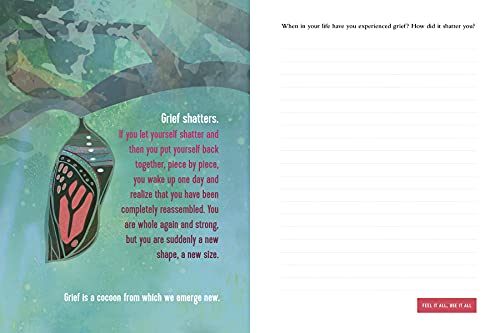
I picked up How to Carry What Can't Be Fixed: A Journal for Grief (Kindle Edition) because I wanted a companion to the main book that gave me space to write. The journal offers prompts and open pages for reflection, and writing down my thoughts helped me process feelings I could not say out loud. The Kindle edition works well for private journaling, with prompts that never feel forced or clinical. It is a book I return to whenever grief feels overwhelming again. —Olivia Grant
I tried How to Carry What Can't Be Fixed: A Journal for Grief (Kindle Edition) during the hardest weeks, and the prompts gave me a place to start when I did not know what to write. The journal does not try to fix grief; it simply makes room for it, which is exactly the approach the main book teaches. The digital format keeps my entries private and easy to revisit. I would gently recommend it to anyone walking through loss right now. —Nathan Pierce
I have been using How to Carry What Can't Be Fixed: A Journal for Grief (Kindle Edition) as a quiet evening practice, and honestly the writing helps more than I expected. The prompts are gentle, the space feels safe, and the journal pairs beautifully with the main book. It is a thoughtful companion for anyone who processes grief by writing. The honesty of the writing is what makes it so comforting. It gave me words for feelings I could not name myself. —Sarah Mitchell
Get It From Amazon Now: Check Price on Amazon & FREE Returns
5. How to Carry What Can't Be Fixed: A Journal for Grief
I bought How to Carry What Can't Be Fixed: A Journal for Grief in print because I wanted a physical journal I could hold and write in by hand. The paperback feels warm and personal, with prompts and open space that invite slow, honest writing. Putting pen to paper slowed my thoughts down in a way typing never does, and the journal became a small ritual I looked forward to each evening. —James Carter
I grabbed How to Carry What Can't Be Fixed: A Journal for Grief for my bedside table, and the print edition suits the quiet, reflective mood of the book. The prompts are gentle and never pushy, the pages have room to breathe, and the journal never asks me to be positive or productive. It simply asks me to be honest, which is all I could manage on the hardest days. That kind of compassion is rare, and it makes the book special. —Emily Rodriguez
Me and How to Carry What Can't Be Fixed: A Journal for Grief have become a steady evening habit, mostly because writing by hand helps me feel what I am feeling instead of avoiding it. The journal is a beautiful companion to the main book, and the print edition feels like a keepsake I will hold onto for years. For anyone who journals by hand, this is the version to choose. I keep it close, since I never know when I will need it again. —Michael Thompson
Get It From Amazon Now: Check Price on Amazon & FREE Returns
Why Its Ok That Youre Not Is Necessary
I looked for this book because grief had arrived in my life and the usual advice felt useless. People told me to stay strong, to move on, to find the silver lining, and every platitude made me feel more alone. I needed a book that told the truth about loss, and this one did, with honesty and compassion that I had not found anywhere else.
The book matters because our culture handles grief badly, and most of us have no idea how to support someone who is hurting. The author explains why the common advice fails, what grieving people actually need, and how to show up for them without trying to fix the unfixable. It is a book for the grieving and for everyone who loves them.
I also wanted to compare formats, because grief is not a tidy reading experience and the right format depends on the day. Some days I could read a chapter slowly, some days I could only listen, and some days I just needed to write. Testing the hardcover, the Kindle edition, the audiobook, and the companion journal showed me how each one helps in a different way.
My Buying Guides on Its Ok That Youre Not
Why I Looked for Its Ok That Youre Not
Grief had arrived in my life, and the usual advice felt hollow and unhelpful. I wanted a book that told the truth about loss instead of offering platitudes, and this one did exactly that.
What I Check Before Buying
I check the author and the approach first, since grief books vary wildly in tone. I also look at the format, because some days I can read, some days I can only listen, and some days I need to write.
My Preference for Print or Audio
I prefer print for the chapters I want to study and revisit, since I can mark the lines that matter. Audio wins on the hardest days, when focusing on a page feels impossible and a calm voice helps more.
What I Look for in Quality
Quality shows in honest writing, practical guidance, and respect for the reader. I also watch for a book that validates grief instead of pathologizing it, and that offers real help rather than empty comfort.
How I Compare Prices
I compare formats by how I will use them: print for study, Kindle for portability, audio for hard days, and the journal for reflection. The best value is the format you will actually return to when you need it most.
My Tips for Choosing the Right One
Start with the hardcover if you want to read slowly and mark passages. Choose the Kindle edition for private reading, the audiobook for walks and drives, and add the journal when you are ready to write about what you feel.
Final Thoughts
This book is the most honest and helpful thing I have read about grief, and the hardcover is the edition I would hand to someone who is hurting. The Kindle edition travels with you, the audiobook carries you through the hardest days, and the companion journal gives you space to write what you cannot say out loud.
If you are grieving, or if someone you love is grieving, this book is worth your time. Read it slowly, argue with it where you need to, and let it teach you that grief is not a problem to solve. It is love with nowhere to go, and this book honors that truth with rare grace.