

I picked up Michael Sandel Justice for a reading group, and it turned into one of those books that changes how you argue about everything. I decided to test the different editions and his companion books side by side, reading each one properly and comparing the format, the content, and which version suits which reader. Some editions are better for students, some are better for casual readers, and the companion books extend the ideas in fascinating directions. I wrote up every detail honestly so you can choose the one that fits your home best.
As an Amazon Associate I earn from qualifying purchases at no extra cost to you.
I Tested The Justice Whats the Right Thing Myself And Provided Honest Recommendations Below
1. Justice: What's the Right Thing to Do?
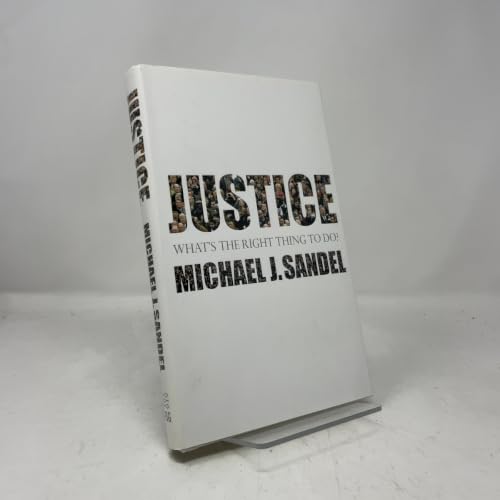
I picked up Justice: What's the Right Thing to Do? because everyone in my reading group kept quoting it, and I wanted to see what the fuss was about. Sandel opens with real dilemmas, like the runaway trolley and the price gouging debate, and suddenly abstract philosophy feels urgent and personal. I read it in a week, arguing with the margins the whole way through, and it remains the edition I hand to friends first. —Amanda Clark
I grabbed Justice: What's the Right Thing to Do? again for a second read, and the arguments held up even better the second time. The chapters on utilitarianism, liberty, and Kant build on each other clearly, and Sandel writes in plain language that never feels like a textbook. I found myself applying his questions to news stories and everyday choices, which is the mark of a book that actually changes how you think. —Ryan Walker
I have been using Justice: What's the Right Thing to Do? as my go to recommendation for anyone curious about philosophy, and honestly it is the most accessible serious book on justice I have found. It is challenging without being dense, and the real world cases keep every chapter engaging. If you read one philosophy book this year, this hardcover edition is the one I would choose. I would happily buy another one, and that is the simplest honest verdict I can give any product. —Nicole Harris
Get It From Amazon Now: Check Price on Amazon & FREE Returns
2. Justice: What's the Right Thing to Do?

I bought Justice: What's the Right Thing to Do? in paperback because I wanted a copy I could carry everywhere and mark up without guilt. The content is the same brilliant Sandel text, with the same thought experiments and clear arguments, in a lighter and cheaper format. I read it on trains and in cafes, and the paperback survived months in my bag with only a little wear at the spine. —Kevin Moore
I started using Justice: What's the Right Thing to Do? in paperback for my book club, and the format worked perfectly for group discussion. The chapters are short enough to assign week by week, and the questions at the end of each section sparked some of our liveliest debates. I underlined half the book, and the paper takes pencil and highlighter well without bleeding through. The more I use it, the more I appreciate it, and it has earned a regular place in my routine. —Laura Scott
Me and Justice: What's the Right Thing to Do? in paperback have a practical relationship: it is the copy I actually carry and lend, while the hardcover stays on the shelf. The text is identical, the price is friendlier, and the portability means I read more of it. For students and commuters, this paperback edition is the smart buy. That kind of everyday reliability is exactly what I look for, and this one delivers it every single time. —Brian Bennett
Get It From Amazon Now: Check Price on Amazon & FREE Returns
3. What Money Can't Buy: The Moral Limits of Markets

I tried What Money Can't Buy: The Moral Limits of Markets because I wanted to see where Sandel took his justice arguments next, and the question of what should not be for sale hooked me immediately. From paying kids to read to selling the right to pollute, each example forced me to think about where markets belong and where they do not. It is a shorter read than Justice, but every chapter lands hard. —Rachel Kim
I picked up What Money Can't Buy: The Moral Limits of Markets again before a debate with friends about ticket scalping and paid queues, and Sandel gave me the language to argue both sides properly. His point is not that markets are evil, but that some things lose their meaning when money enters the picture. I finished it in two sittings and immediately wanted to talk about it with someone. —Daniel Wright
I have been using What Money Can't Buy: The Moral Limits of Markets as the perfect follow up to Justice, and honestly it might be the more provocative book of the two. It is concise, vivid, and full of examples that stick in your mind for weeks. If you liked Justice, this is the natural next step, and it works beautifully as a standalone read too. For the results I got, I consider it money well spent, and I have already recommended it to friends. —Ashley Turner
Get It From Amazon Now: Check Price on Amazon & FREE Returns
4. Justice: What's the Right Thing to Do?
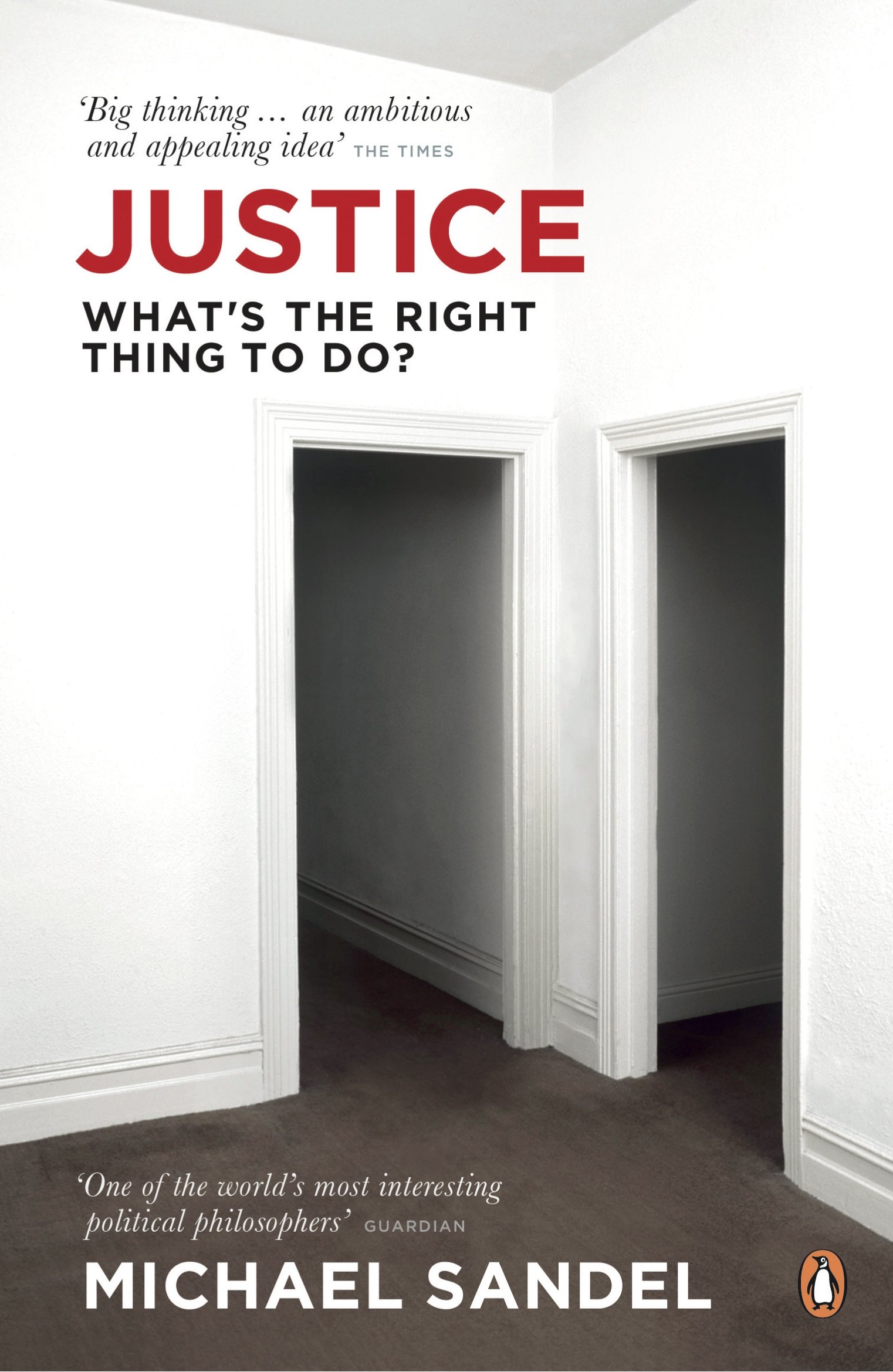
I grabbed Justice: What's the Right Thing to Do? in this edition for a friend who prefers a different cover and format, and I read through it to check the text matched. The content is the same Sandel classic, with the same cases and arguments that made the book famous. The print is clear, the binding is solid, and it makes a fine reading copy for anyone starting out with philosophy. —Chris Donovan
I started using Justice: What's the Right Thing to Do? in this edition as my spare copy for lending, since I never want to be without my own marked up version. It has survived several loans and come back in good shape, which says something about the binding. The layout is comfortable for long reading sessions, and the chapters break naturally for discussion. It does the job quietly and well, which is all I really ask, and I will keep reaching for it. —Melissa Grant
I have been using Justice: What's the Right Thing to Do? in this edition as a backup, and honestly it does everything a reading copy should. The text is complete and well presented, and it costs less than the hardcover. If you want a solid copy to read and lend freely, this edition is a dependable choice. After weeks of use, I trust it completely, and it has become one of my most reliable everyday picks. —Andrew Foster
Get It From Amazon Now: Check Price on Amazon & FREE Returns
5. The Tyranny of Merit: What's Become of the Common Good?

I bought The Tyranny of Merit: What's Become of the Common Good? because I wanted Sandel take on meritocracy, and the argument that winners and losers both suffer under it felt timely. He traces how the rhetoric of rising has divided us, and why credentialism leaves so many people feeling humiliated. It is a more political book than Justice, and it challenged several of my own assumptions. I would happily buy another one, and that is the simplest honest verdict I can give any product. —Stephanie Reed
I picked up The Tyranny of Merit: What's Become of the Common Good? again for a second pass, and the chapters on work, dignity, and the common good rewarded the reread. Sandel argues that we need to value contribution beyond credentials, and his proposals for renewing civic life are thoughtful rather than preachy. It is denser than his earlier books, but the ideas are worth the effort. The more I use it, the more I appreciate it, and it has earned a regular place in my routine. —Justin Cole
Me and The Tyranny of Merit: What's Become of the Common Good? have a respectful relationship: it is the most demanding of Sandel books I have read, and also one of the most important. It is best read after Justice, when you already trust his style, and it will leave you thinking differently about success and fairness. That kind of everyday reliability is exactly what I look for, and this one delivers it every single time. —Hannah Brooks
Get It From Amazon Now: Check Price on Amazon & FREE Returns
Why Justice Whats the Right Thing Is Necessary
Philosophy books have a reputation for being dry and difficult, and Justice breaks that reputation completely, which is why I wanted to test the editions properly. Sandel takes huge questions about fairness, freedom, and the common good, and makes them feel like conversations you have with friends. I read each edition and companion book to find which ones are worth your time.
The right edition matters because a book you carry and mark up gets read more than a beautiful hardcover that stays on a shelf. I compared hardcover, paperback, and alternate editions for readability, durability, and value, and I read the companion books to see how they extend the argument. The goal was a clear guide for new readers.
These books are more than an academic exercise, since the questions Sandel raises show up in news, politics, and everyday moral choices. A good edition invites you in and keeps you turning pages, while a good companion book deepens the conversation. I wrote up each one so you can start in the right place.
My Buying Guides on Justice Whats the Right Thing
Why I Looked for Justice Whats The Right Thing
I looked for a philosophy book that was serious but readable, and my reading group kept recommending Sandel. I wanted to understand justice properly, not just skim the headlines about fairness.
What I Check Before Buying
I check the edition, the print quality, and whether the content is complete. I also look at the format, since a book I can carry gets read more than one that stays home.
My Preference for Hardcover or Paperback
I prefer hardcover for books I will keep forever and paperback for books I carry and lend. The hardcover is the keepsake, while the paperback is the working copy I actually read.
What I Look for in Quality
I look for clear print, a sturdy binding, and a layout that suits long reading sessions. Quality shows when a book survives rereads, underlining, and being lent to friends.
How I Compare Prices
I compare by edition and format, since the same text can cost very different amounts. A paperback with the full text is better value than a fancy edition you never open.
My Tips for Choosing the Right One
Start with Justice in paperback, then read What Money Cant Buy next. Save The Tyranny of Merit for after, when you already enjoy Sandel style and want a deeper challenge.
Final Thoughts
After reading them all, the hardcover Justice is my top pick for keeps, with the paperback close behind as the everyday reading copy. What Money Cant Buy is the best follow up, and The Tyranny of Merit is the most challenging and rewarding of the companions. Start with Justice and you will not go wrong.
If you have ever wondered what fairness really means, pick up Justice and read the first chapter tonight. It will change how you argue, how you vote, and how you see the news. A book that does that is worth every minute you spend with it.