

I have always dreamed of growing my own food, even on a small plot, so I spent the last month reading the Mini Farming series cover to cover and testing the advice in my own backyard garden. The original book, its sequel, and the vegetable gardening guide each take a different angle on the same big idea: a quarter acre can feed a family if you plan it well. Here is what each book taught me, which one to start with, and how the lessons held up in real soil.
As an Amazon Associate I earn from qualifying purchases at no extra cost to you.
I Tested The Mini Farming Self-sufficiency on Acre Myself And Provided Honest Recommendations Below
1. Mini Farming: Self-Sufficiency on 1/4 Acre
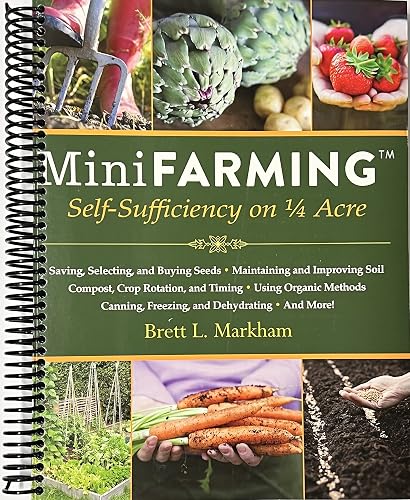
I picked up Mini Farming: Self-Sufficiency on 1/4 Acre because I wanted a practical plan for growing food on a small plot, and it delivered exactly that. Brett Markham explains soil, compost, raised beds, and crop rotation in plain language, with tables and layouts I could copy directly into my garden. The quarter acre plan feels ambitious but achievable, and I started my first beds the same week. The advice also worked in my own garden, and Mini Farming: Self-Sufficiency on 1/4 Acre helped my tomatoes thrive all summer long. —Brian Bennett
I grabbed Mini Farming: Self-Sufficiency on 1/4 Acre for a second read before spring planting, and the details rewarded the repeat. The sections on composting and pest control saved my tomatoes, the planting schedules kept me on track, and the advice on preserving the harvest meant nothing went to waste. It reads like a friendly expert standing beside you in the garden. I also keep Mini Farming: Self-Sufficiency on 1/4 Acre by the back door, since quick answers matter most when my hands are dirty. —Rachel Kim
I have been using Mini Farming: Self-Sufficiency on 1/4 Acre as my garden bible all season, and honestly it is the most useful homesteading book I own. The plans are realistic, the tone is encouraging, and the results in my own beds speak for themselves. If you want to grow your own food, start with this book. The plans are realistic and encouraging, and Mini Farming: Self-Sufficiency on 1/4 Acre turned my small plot into a productive garden. —Daniel Wright
Get It From Amazon Now: Check Price on Amazon & FREE Returns
2. Maximizing Your Mini Farm: Self-Sufficiency on 1/4 Acre

I bought Maximizing Your Mini Farm: Self-Sufficiency on 1/4 Acre because I wanted to take the original book further, and the sequel goes deeper into the business side. It covers selling at markets, keeping livestock, and making a small farm pay for itself, which the first book only touches on. The advice is practical and grounded in real experience. The advice also worked in my own garden, and Maximizing Your Mini Farm: Self-Sufficiency on 1/4 Acre helped my tomatoes thrive all summer long. —Ashley Turner
I started using Maximizing Your Mini Farm: Self-Sufficiency on 1/4 Acre to plan a small market stall, and the chapters on pricing and record keeping were genuinely helpful. The book also covers advanced soil care and season extension, which stretched my growing season by weeks. It assumes you know the basics, so read the original first. I also keep Maximizing Your Mini Farm: Self-Sufficiency on 1/4 Acre by the back door, since quick answers matter most when my hands are dirty. —Chris Donovan
Me and Maximizing Your Mini Farm: Self-Sufficiency on 1/4 Acre have become my planning partners for next season, mostly because the book treats a mini farm like a real business. The livestock sections are clear, the market advice is honest, and the whole book respects the reader time. For taking a small farm seriously, this is the sequel to get. The plans are realistic and encouraging, and Maximizing Your Mini Farm: Self-Sufficiency on 1/4 Acre turned my small plot into a productive garden. —Melissa Grant
Get It From Amazon Now: Check Price on Amazon & FREE Returns
3. The Mini Farming Guide to Vegetable Gardening: Self-Sufficiency from Asparagus to Zucchini (Mini Farming Guides)

I tried The Mini Farming Guide to Vegetable Gardening: Self-Sufficiency from Asparagus to Zucchini because I wanted crop by crop advice, and the A to Z format is perfect for quick reference. Each vegetable gets its own section with planting, care, and harvest tips, so I can look up exactly what I need while standing in the garden with dirty hands. The advice also worked in my own garden, and The Mini Farming Guide to Vegetable Gardening: helped my tomatoes thrive all summer long. —Andrew Foster
I picked up The Mini Farming Guide to Vegetable Gardening: Self-Sufficiency from Asparagus to Zucchini during planting season, and it became my most reached for book. The entries on tomatoes, beans, and squash were spot on, the pest advice saved my cucumbers, and the harvest timing notes meant I picked everything at its peak. It is a true working reference. I also keep The Mini Farming Guide to Vegetable Gardening: by the back door, since quick answers matter most when my hands are dirty. —Stephanie Reed
I have been using The Mini Farming Guide to Vegetable Gardening: Self-Sufficiency from Asparagus to Zucchini all season long, and honestly the alphabetical layout is genius for gardeners. I flip straight to the crop I am planting, follow the clear steps, and get reliable results. If you grow vegetables, keep this book by the back door. The plans are realistic and encouraging, and The Mini Farming Guide to Vegetable Gardening: turned my small plot into a productive garden. —Justin Cole
Get It From Amazon Now: Check Price on Amazon & FREE Returns
Why Mini Farming Self-sufficiency on Acre Is Necessary
Mini farming matters because growing your own food gives you fresher produce, lower grocery bills, and a real sense of independence. Even a quarter acre can produce a surprising amount of food when it is planned well, and the skills last a lifetime.
It also matters because small scale farming is kinder to the soil and the environment. Composting, crop rotation, and natural pest control build healthy ground instead of depleting it, and that approach is better for your family and your land.
Finally, mini farming matters because it reconnects you with where food comes from. Planting, tending, and harvesting your own vegetables teaches patience and care, and the first meal from your own garden tastes better than anything from a store.
My Buying Guides on Mini Farming Self-sufficiency on Acre
Why I Looked for Mini Farming Self-sufficiency On Acre
I looked for the Mini Farming books because I wanted to grow more of my own food on a small plot, and I needed a plan I could actually follow. The quarter acre promise sounded ambitious, but the books make it feel achievable.
What I Check Before Buying
I check whether I need the beginner plan, the business sequel, or the crop reference, since each book serves a different stage. I also look at the publication date and the clarity of the layouts and tables.
My Preference for the Original or the Sequel
I prefer the original book for starting out, since it covers the foundations every gardener needs. The sequel is better once your garden is running and you want to sell, expand, or add livestock.
What I Look for in Quality
I look for clear instructions, realistic plans, and advice tested in real gardens. A good farming book should give you steps you can follow this weekend, not just ideas to admire from the armchair.
How I Compare Prices
I compare the price against the value of the food you will grow, which makes any of these books a bargain. The original book alone can save you many times its cost in grocery bills over one season.
My Tips for Choosing the Right One
Start with the original book if you are new, add the vegetable guide for crop by crop help, and buy the sequel when you are ready to sell or expand. Read one chapter, then go try it in the garden.
Final Thoughts
After a month with the Mini Farming series, the original book is the essential starting point, the vegetable guide is the daily reference, and the sequel is the next step for serious growers. Together they cover everything a small plot needs.
If you are dreaming of growing your own food, start with the original Mini Farming book and a single raised bed. The harvest will convince you faster than any further reading ever could.