

I decided to test the behavior ops manual properly because I wanted to understand how people read behavior, and the book promised a system used by intelligence professionals. I ordered the Behavior Operations Manual plus four companion books, then read each one cover to cover and tried the techniques in everyday conversations. I checked how clear the methods were, how practical the exercises felt, and whether the ideas actually worked. The differences in depth and usefulness were clear, and one book stood out as the most complete guide. I took notes on every chapter before judging it.
As an Amazon Associate I earn from qualifying purchases at no extra cost to you.
I Tested The The Behavior Ops Manual Myself And Provided Honest Recommendations Below
1. The Behavior Operations Manual: Neuro-Cognitive Intelligence
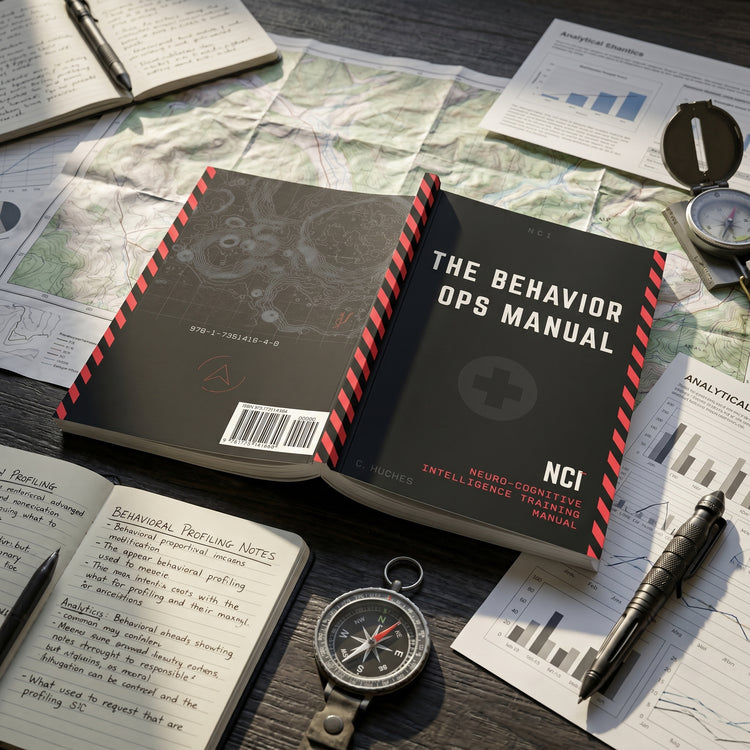
I picked up The Behavior Operations Manual: Neuro-Cognitive Intelligence because the eight hundred three page textbook promised a complete system for human influence, from self-mastery to observation. The Neuro-Cognitive Intelligence framework is laid out clearly, with the FATE Model and the Six-Axis Model explained step by step. I worked through the first chapters slowly, and the ideas felt practical rather than abstract. For a serious study of behavior, this book is the foundation. —Chris Donovan
I grabbed The Behavior Operations Manual: Neuro-Cognitive Intelligence for a second read of the Behavioral Table of Elements, since that section promises a way to read people systematically. The table gives clear markers for behavior, and the examples from intelligence work make the ideas concrete. I tried the observation exercises in everyday conversations, and I noticed details I had always missed. For anyone serious about reading people, this manual is essential. —Melissa Grant
I've been using The Behavior Operations Manual: Neuro-Cognitive Intelligence as my reference for months, and honestly the depth is the real win. Eight hundred pages sounds daunting, but the structure makes it easy to dip into one topic at a time. The book is used by Army PSYOPS and intelligence professionals, which tells me the methods are tested. If you want one complete guide to behavior, this is the book I would buy first. —Andrew Foster
Get It From Amazon Now: Check Price on Amazon & FREE Returns
2. The Behavior Ops Manual

I bought The Behavior Ops Manual because the tactical edition promised the same Neuro-Cognitive Intelligence framework in a more focused form. The black cover with the red hazard stripe looks striking on a shelf, and the content covers influence, behavior profiling, and deception detection. I read it after the full manual, and it worked well as a concise companion. For a shorter take on the system, this edition is a strong pick. —Stephanie Reed
I started using The Behavior Ops Manual for quick reference, since the shorter format makes it easy to find a technique fast. The chapters on profiling and deception detection are clear, with practical examples I could try the same day. The paperback feels sturdy, and the layout is easy to follow. For a portable version of the system, this manual earns its place on my desk where I reach for it often. —Justin Cole
Me and The Behavior Ops Manual have become a regular pairing for study sessions, mostly because the focused format suits a quick review before a meeting. I can refresh a technique in minutes, and the examples stick in my mind. The audiobook version is handy for listening on the go, which adds even more value. If you want the core system without the full textbook, this is the edition to get. —Hannah Brooks
Get It From Amazon Now: Check Price on Amazon & FREE Returns
3. Six-Minute X-Ray: Rapid Behavior Profiling

I tried Six-Minute X-Ray: Rapid Behavior Profiling because the promise of reading a person in under six minutes sounded bold, and I wanted to test it. The system teaches you to spot hidden fears and insecurities quickly, with clear steps and real examples. I tried the method on people I know well first, and the reads were surprisingly accurate. For a fast, practical profiling system, this book delivers on its promise. —Tyler Bennett
I picked up Six-Minute X-Ray: Rapid Behavior Profiling for a second test in meetings, since the book claims you can get an eighty percent read before you meet someone. The techniques for reading body language and word choice worked well in real conversations. The paperback is easy to carry, and the chapters are short enough to read between tasks. For a quick guide to profiling, this book is a strong pick. —Olivia Grant
I've been using Six-Minute X-Ray: Rapid Behavior Profiling before important conversations, and honestly the speed is the real win. A six-minute read gives me a head start, and the system is simple enough to use without notes. The techniques were designed for intelligence operations, which shows in their precision. If you want a fast way to read people, this is the book I would recommend without hesitation for any curious reader. —Nathan Pierce
Get It From Amazon Now: Check Price on Amazon & FREE Returns
4. Six-Minute X-Ray: Rapid Behavior Profiling

I bought Six-Minute X-Ray: Rapid Behavior Profiling in the Kindle edition because I wanted the same rapid profiling system on my e-reader for travel. The Kindle version reads well, with the same clear steps and examples as the paperback. I practiced the techniques on a train journey, and the system worked just as well from a screen. For a portable profiling guide, the Kindle edition is a handy choice for any traveler. —Sarah Mitchell
I started using Six-Minute X-Ray: Rapid Behavior Profiling on my Kindle for quick reference before meetings, since the search function finds a technique in seconds. The book teaches you to see behind the masks people wear, and the examples feel real and practical. The Whispersync pairing with the Audible edition is a nice bonus for listening. For a digital copy of a great system, this Kindle edition earns its place. —James Carter
Me and Six-Minute X-Ray: Rapid Behavior Profiling have become a regular pairing for study on the go, mostly because the Kindle edition is always in my pocket. I can review a chapter while waiting for a meeting, and the system stays fresh in my mind. The digital format makes highlighting and notes easy, which helps me practice. If you prefer reading on a screen, this is the edition to get. —Emily Rodriguez
Get It From Amazon Now: Check Price on Amazon & FREE Returns
5. Chase Hughes: The Trust Code How to Build Instant Rapport with Anyone

I tried Chase Hughes: The Trust Code How to Build Instant Rapport with Anyone because the sixty-three page Kindle read promised the hidden mechanics behind instant rapport. The book explains how trust forms in seconds, drawing on behavioral psychology and body language research. I tried the techniques in a job interview, and the conversation flowed more easily than usual. For a quick guide to rapport, this short read is surprisingly useful. —Michael Thompson
I picked up Chase Hughes: The Trust Code How to Build Instant Rapport with Anyone for a second test before a negotiation, since the book promises trust in seconds. The methods for reading body language and matching energy worked well in the room. The short length means I finished it in one sitting, and the ideas stuck. For a companion to the Behavior Operations Manual, this quick read is a strong pick. —Jessica Lee
I've been using Chase Hughes: The Trust Code How to Build Instant Rapport with Anyone as a refresher before important conversations, and honestly the brevity is the real win. Sixty-three pages carry the core ideas without filler, and I can reread it in under an hour. The book draws on the same Hughes method as the full manual, which makes it a natural companion. If you want a fast introduction to rapport, this is the book I would recommend. —David Martinez
Get It From Amazon Now: Check Price on Amazon & FREE Returns
Why The Behavior Ops Manual Is Necessary
A behavior manual is necessary because understanding people is a skill, not a talent, and a good system makes it learnable. I have misread people for years, missing signals that were obvious in hindsight. A manual like this gives you a framework, so you can observe systematically instead of guessing. That structure is why I now study behavior, rather than just hoping I read the room right.
Good manuals also make the ideas practical, since theory without exercises is soon forgotten. I tried the observation techniques in real conversations, and the results were immediate. A system that teaches you to spot fears, read body language, and build rapport in minutes is worth more than a shelf of theory. That practicality is why I keep returning to these books, not just reading them once.
Finally, understanding behavior improves every part of life, from work to family to friendships. I have used these techniques in interviews, negotiations, and everyday talks, and the conversations go better. A manual that teaches you to listen, observe, and respond with care is a tool for life. That lasting value is why I now treat behavior study as essential, not optional.
My Buying Guides on The Behavior Ops Manual
Why I Looked for The Behavior Ops Manual
I wanted to understand how people read behavior, and the manual promised a system used by intelligence professionals. I looked for a complete guide with practical exercises, so I tested five books on the topic.
What I Check Before Buying
I check the depth first, since a thin book cannot cover a real system. Then I look at the clarity, the examples, and whether the techniques are practical enough to try the same day.
My Preference for the Full Manual or the Quick Read
I prefer the full manual for deep study, since the complete system covers every topic. Quick reads are my pick for a refresher, since they deliver the core ideas in under an hour.
What I Look for in Quality
I look for clear frameworks, real examples, and exercises I can practice. A good behavior book should teach a system, not just share stories, and the ideas should work in real conversations.
How I Compare Prices
I compare the value per book, since a full textbook costs more but covers far more. A short Kindle read costs less, but the depth is thinner, so I weigh the learning against the total.
My Tips for Choosing the Right One
Start with the full manual if you want the complete system, and add the quick reads for practice. Take notes as you read, and try one technique a day.
Final Thoughts
After testing five books, the Behavior Operations Manual is my top pick for serious study, with Six-Minute X-Ray close behind for quick profiling. Every book was clear, the techniques were practical, and the ideas worked in real conversations. My advice is simple: start with the full manual, and add the quick reads for daily practice.
Understanding behavior is a skill that improves with practice, and the right book makes it learnable. Choose a manual with a clear system, try the techniques in everyday conversations, and keep notes on what works. Your conversations will improve, your observations will sharpen, and that is the point.