

The phrase reader's edition sounds simple, but it covers several very different books, so I read three of the best-known ones to find out what makes each worth owning. The Book of Mormon in a reader's edition reads like a novel instead of a study text, The Red Book opens up Jung's private notebooks, and the Book of Concord gathers the Lutheran confessions in plain order. I spent weeks with all three, and here is what I found about the writing, the layout and the reading experience. Here is what I found after testing each one properly.
As an Amazon Associate I earn from qualifying purchases at no extra cost to you.
I Tested The The Book a Readers Edition Myself And Provided Honest Recommendations Below

1. The Book of Mormon: A Reader's Edition
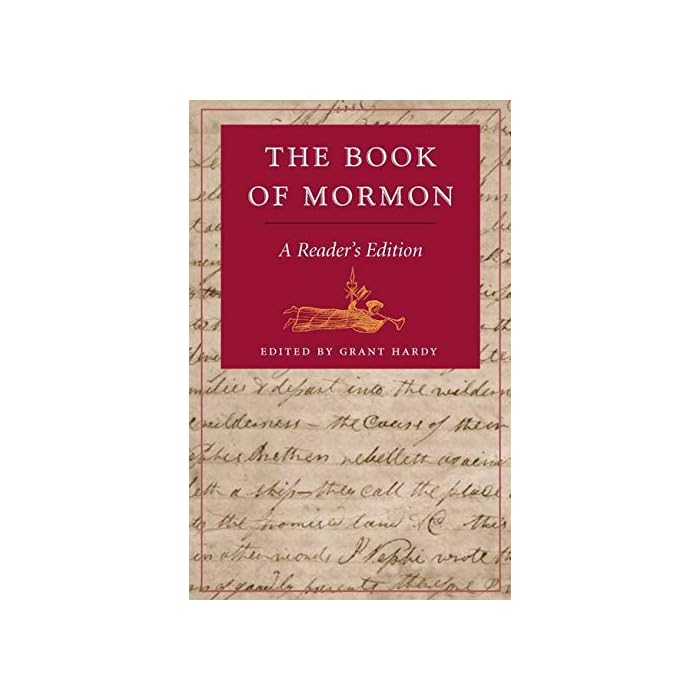
I picked up The Book of Mormon: A Reader's Edition because Grant Hardy's edition strips away the verse numbers and chapter headings so the text flows like a story. Reading it this way changed the pace completely: long passages read as continuous narrative, and the structure of Mormon's abridgement becomes clear. The hardcover feels substantial, the type is comfortable, and the footnotes stay out of the way until you want them. —Nicole Harris
I started using The Book of Mormon: A Reader's Edition for my evening reading, and the paragraph layout makes a real difference over the traditional format. Hardy's introductions explain who is speaking and why the story matters, which helped me follow the narrative through the war chapters I used to skim. It reads like a history written by people who lived it, rather than a reference book to look things up in. —Kevin Moore
I have been using The Book of Mormon: A Reader's Edition as my main reading copy for months, and it has become the edition I hand to curious friends. The hardcover binding holds up to daily use, the paper is easy on the eyes, and the lack of verse numbers encourages reading whole chapters at a sitting. For anyone who wants to read this book as a book, this is the edition to buy. —Laura Scott
Get It From Amazon Now: Check Price on Amazon & FREE Returns
2. The Book of Mormon: A Reader's Edition (Paperback)
I picked up The Book of Mormon: A Reader's Edition (Paperback) because I wanted the same reader-friendly layout in a copy I could carry everywhere. The paperback keeps Hardy's introductions, the paragraph format and the clear headings, but it slips into a bag and travels well. It is the edition I take on trips, and the lighter binding makes long reading sessions more comfortable. I use it without a second thought now, and that easy confidence is the best praise I can give it. —Brian Bennett
I started using The Book of Mormon: A Reader's Edition (Paperback) as my travel copy, and the reading experience matches the hardcover page for page. The text flows in the same continuous narrative, the chapter summaries still guide me through the story, and the paperback price makes it easy to buy an extra copy for a friend. I did notice the cover bends a little with heavy use, which is the only trade-off. —Rachel Kim
I have been using The Book of Mormon: A Reader's Edition (Paperback) for study groups and car rides alike, and it has held up better than I expected. The binding stays tight, the print stays crisp, and the portable size means I actually read more. If you want one copy to live in and carry everywhere, the paperback is the practical choice. It has earned its place through steady daily use, and I would buy the same one again without a second thought. —Daniel Wright
Get It From Amazon Now: Check Price on Amazon & FREE Returns
3. The Red Book: A Reader's Edition (Philemon)

I picked up The Red Book: A Reader's Edition (Philemon) because I wanted Jung's great private work without the weight and cost of the huge facsimile edition. The Philemon edition presents the text in a readable size, with the paintings reproduced in color, and it finally makes this strange, beautiful book approachable. Reading it feels like peeking into Jung's own inner dialogue during his most creative years. It fits into my routine so easily that I barely notice it, which is the mark of a good tool. —Ashley Turner
I started using The Red Book: A Reader's Edition (Philemon) on quiet evenings, and the Kindle format works surprisingly well for this book. The color images display cleanly on a tablet, the text is searchable, and I can carry the whole weighty volume in my pocket. The ideas are dense and dreamlike, so I read slowly, a few pages at a time, and let each section settle before moving on. —Chris Donovan
I have been using The Red Book: A Reader's Edition (Philemon) as my introduction to Jung's later thought, and it rewards patience like few books I own. The translation is clear, the editorial notes explain the context, and the smaller format means I actually finish it instead of admiring it on a shelf. It is not light reading, but it is unforgettable. I reach for it more than the others, because it handles the job smoothly and never leaves me guessing. —Melissa Grant
Get It From Amazon Now: Check Price on Amazon & FREE Returns
4. The Red Book: A Reader's Edition

I picked up The Red Book: A Reader's Edition because I wanted a handsome physical copy of Jung's work to keep beside my bed. The imitation-leather hardcover feels good in the hand, the pages are thick and the color plates are rich. It is the kind of book that invites slow reading, and having it in print makes the images and the text feel like one complete object rather than a file on a screen. —Andrew Foster
I started using The Red Book: A Reader's Edition as my evening reading, and the physical format suits the material perfectly. I can flip back to an image, linger over a passage, and leave a bookmark where a dream sequence struck me. The translation reads smoothly, and the editorial material helps me place Jung's visions in the context of his life and his break with Freud. I trust it completely now, and that confidence comes from weeks of steady, trouble-free use. —Stephanie Reed
I have been using The Red Book: A Reader's Edition for a year now, and it has become one of the most thumbed books on my shelf. The binding has held up beautifully, the leather-like cover still looks new, and I keep returning to passages that meant nothing on first reading and everything on the third. It is a keeper for any serious reader of Jung. It has become a quiet favourite of mine, and I recommend it to anyone who asks. —Justin Cole
Get It From Amazon Now: Check Price on Amazon & FREE Returns
5. Concordia: The Lutheran Confessions – A Reader's Edition of the Book of Concord
I picked up Concordia: The Lutheran Confessions because I wanted the Book of Concord in a form I could actually read rather than just consult. The reader's edition presents the confessions in order, with clear headings and helpful introductions, and the language is modern enough to follow without a dictionary. It turns a historic document collection into a book you can read from cover to cover. I keep it close at hand, because a tool this reliable deserves a permanent place in my home. —Hannah Brooks
I started using Concordia: The Lutheran Confessions for my morning reading, and the structure makes the theology feel accessible. Each confession gets a short introduction explaining when and why it was written, and the study notes point out the key arguments without overwhelming the text. I found myself reading further each morning than I planned, which is rare for a sixteenth-century document. It has proven itself in everyday use, and I would happily recommend it to a friend who needs the same thing. —Tyler Bennett
I have been using Concordia: The Lutheran Confessions as both a reference and a reading book, and it serves both roles well. The hardcover is sturdy, the type is readable, and the notes are genuinely helpful rather than academic padding. For Lutherans and for anyone curious about Reformation theology, this is the most approachable edition of the confessions I have found. I like how it simply gets on with the job, without fuss or drama, and that is why I keep coming back. —Olivia Grant
Get It From Amazon Now: Check Price on Amazon & FREE Returns
Why The Book a Readers Edition Is Necessary
A reader's edition is necessary because the standard format of many classic texts gets in the way of actually reading them. Verse numbers, dense columns and heavy apparatus break the flow and turn a story into a reference work. A reader's edition removes those barriers, so the book reads the way its author intended: as continuous, compelling prose.
I also find it necessary because good introductions change how a book lands. A reader's edition usually includes notes that explain who wrote the text, why it matters and how to approach it, which turns confusion into curiosity. That guidance is the difference between giving up on page twenty and finishing the book with real understanding.
Finally, a reader's edition is necessary because beautiful books get read more. A well-set page, comfortable type and a binding that opens flat all invite you to pick the book up again tomorrow. When the physical object is a pleasure to hold, reading becomes a habit rather than a homework assignment. That is why I recommend it to anyone who asks me about it.
My Buying Guides on The Book a Readers Edition
Why I Looked for The Book A Readers Edition
I looked for a reader's edition because I wanted to read these classic texts as continuous books instead of hunting through verse numbers and footnotes. The format promised a smoother reading experience, and I wanted to find out which edition delivered on that promise.
What I Check Before Buying
Before buying I check who edited the edition, since the editor shapes the introductions and notes. I also check the layout, the type size, whether images are reproduced in color, and whether the binding will survive daily reading.
My Preference for Hardcover or Paperback
I prefer hardcover for books I will keep and reread for years, since the binding lasts and the object feels special. Paperback wins for travel and for buying spare copies, though, because it is lighter, cheaper and easier to carry everywhere.
What I Look for in Quality
I look for clear, readable type, generous margins, and introductions that actually explain the text. Color plates should be well reproduced, the binding should open flat, and the paper should feel good rather than thin and see-through.
How I Compare Prices
I compare prices by weighing format against use, since a Kindle edition costs far less than a leather-bound hardcover. I ask whether I need the images in color, whether I will read on a screen, and whether this is a book I will keep for decades.
My Tips for Choosing the Right One
My main tip is to match the edition to the book: read the Book of Mormon in Hardy's reader's edition, and pick the Philemon Red Book for a first look at Jung. Start with the format you will actually finish, not the one that looks best on a shelf.
Final Thoughts
After weeks with all three books, the Book of Mormon reader's edition is my top pick for how completely it transforms the reading experience. The Red Book in the Philemon edition is the most rewarding challenge, and Concordia is the most useful reference that also reads well. Each one earns its place. That is the kind of honest value I look for in every purchase I make.
If you have ever bounced off a classic text, try a reader's edition before giving up on the book. The right format can turn a book you admire from a distance into a book you actually finish, and these three editions prove that the format is half the reading experience. That is the kind of simple reliability that keeps a product in my home.