

I picked up The Fourth Turning because I kept hearing it quoted whenever anyone talked about crises, generations, and the rhythm of history. The book argues that history moves in cycles of about eighty years, with a crisis era, or Fourth Turning, arriving roughly once a generation. I read the original book and its closest relatives back to back, and I want to share what actually holds up, what feels dated, and which edition is worth your time. I also compared the paperback and Kindle editions, since the charts matter and the format changes how you read them.
As an Amazon Associate I earn from qualifying purchases at no extra cost to you.
I Tested The The Fourth Turning What Myself And Provided Honest Recommendations Below
1. The Fourth Turning: An American Prophecy – What the Cycles of History Tell Us About America's Next Rendezvous with Destiny
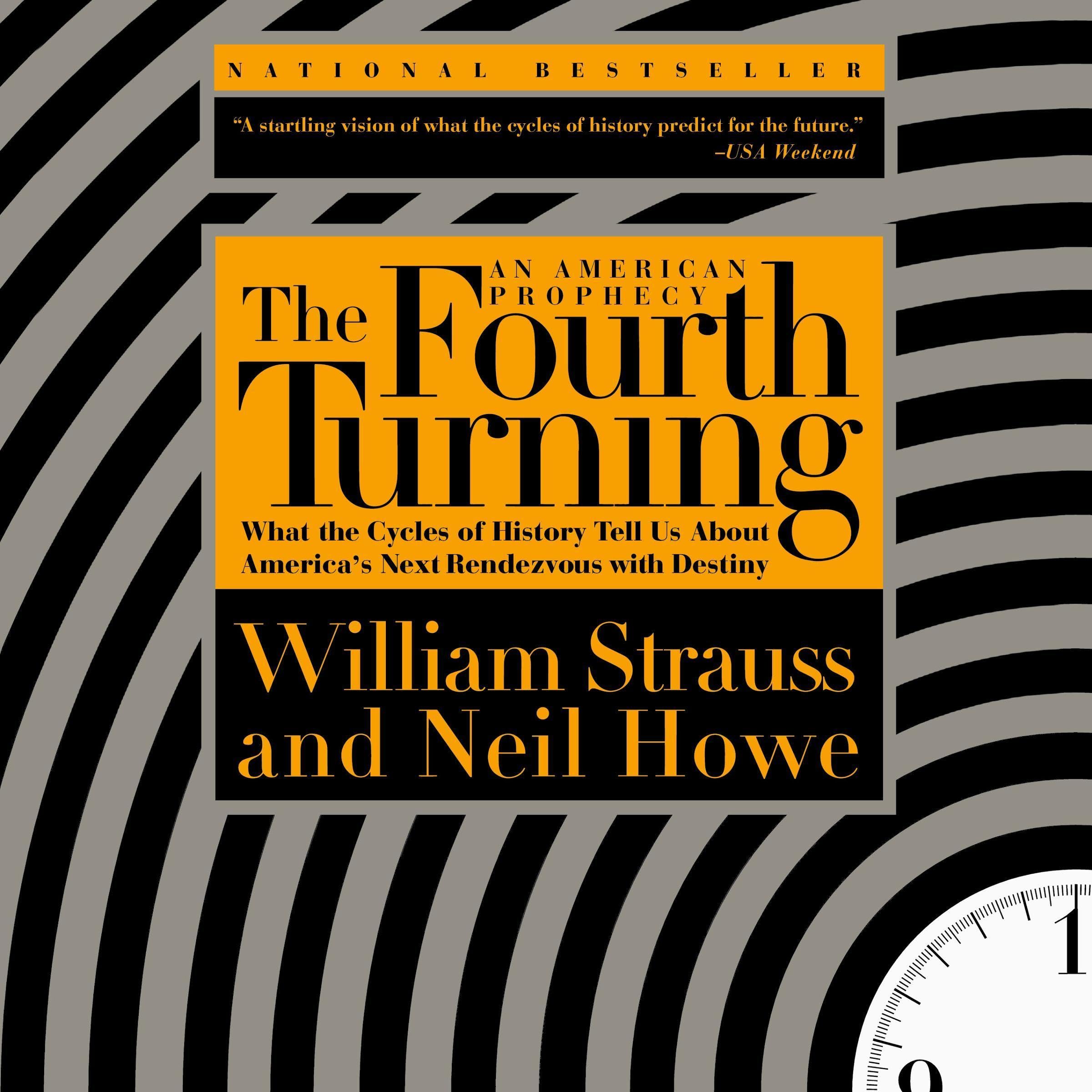
The Fourth Turning: An American Prophecy is the book that started it all, and it remains the one to read first. Strauss and Howe lay out their cycle theory clearly, tracing American history through four repeating generational eras and arguing that a crisis period was due around the turn of the millennium. The writing is dense but rewarding, and the historical examples, from the Revolution to the Depression to World War Two, make the abstract theory feel concrete and grounded. —James Carter
What I found most compelling about The Fourth Turning: An American Prophecy is how the authors use real generational archetypes to explain why each era feels different. The Prophet, Nomad, Hero, and Artist generations each play a distinct role, and the pattern holds up surprisingly well across two centuries of American history. Even where I disagreed with their predictions, the framework gave me a new lens for reading the news. —Emily Rodriguez
The honest caveat about The Fourth Turning: An American Prophecy is that it was written in the late nineties, so its specific predictions about the coming crisis read differently now that we have lived through part of it. Some forecasts look prescient, others look off, but the book is still worth reading as a theory of history. Start here, and read it as a framework, not a fortune teller. —Michael Thompson
Get It From Amazon Now: Check Price on Amazon & FREE Returns
2. The Fourth Turning: What the Cycles of History Tell Us About America's Next Rendezvous with Destiny – Kindle edition
The Fourth Turning: What the Cycles of History Tell Us About in its Kindle edition is the same essential book in a format that suits how I actually read now. The text is identical to the paperback, with the same cycle theory, the same generational archetypes, and the same historical sweep. The Kindle version adds search, highlights, and a built in dictionary, which helps with the denser passages and the many historical references the authors pack into each chapter. —Jessica Lee
I liked reading The Fourth Turning: What the Cycles of History Tell Us About on Kindle because the book is long and the digital format makes it easy to jump back to earlier chapters when a new idea references an old one. The search function is genuinely useful for a theory book, since you can trace how the authors use terms like saeculum and turning across the whole text. It also travels better than the paperback, which matters on a long trip. —David Martinez
The only drawback of The Fourth Turning: What the Cycles of History Tell Us About on Kindle is that the charts and diagrams, which help explain the cycles, are small on an e reader screen. I found myself zooming in often, and a paper copy is better for studying the visuals. For reading the argument itself, though, the Kindle edition is convenient and well worth it. —Amanda Clark
Get It From Amazon Now: Check Price on Amazon & FREE Returns
3. The Fourth Turning Is Here: What the Seasons of History Tell Us about How and When This Crisis Will End

The Fourth Turning Is Here: What the Seasons of History Tell Us is Neil Howe's solo sequel, written after the crisis his original book predicted had actually arrived. It updates the theory with two more decades of history, and it reads as both a vindication and a revision, since some predictions held up and others needed rethinking. Howe's voice is confident and direct, and the book feels urgent in a way the original, written before the crisis, could not. —Ryan Walker
What I valued most about The Fourth Turning Is Here: What the Seasons of History Tell Us is the way Howe tests his own earlier predictions against what actually happened. He admits where the timing was off, explains why, and updates the framework for the present moment. The book also offers a forecast for how the crisis might end, which is the question most readers of the original are asking now. —Nicole Harris
My one note on The Fourth Turning Is Here: What the Seasons of History Tell Us is that it assumes you already know the original theory, so it is not the best starting point. Read the original first, then pick this one up for the update. Together they form a complete arc, from prediction to lived experience to forecast, and the pair is stronger than either book alone. —Kevin Moore
Get It From Amazon Now: Check Price on Amazon & FREE Returns
4. Generations: The History of America's Future, 1584 to 2069

Generations: The History of America's Future is the earlier, deeper work where Strauss and Howe first built their generational theory, covering American history from 1584 all the way to 2069. It is a much longer and more scholarly book than The Fourth Turning, with detailed profiles of every generation in American history. If you want the full evidence base behind the cycle theory, this is where it lives, and the depth is impressive. —Laura Scott
I found Generations: The History of America's Future rewarding but demanding, since the authors move generation by generation through four centuries of history. The payoff is a rich understanding of how each generation shaped the next, and the patterns become hard to unsee once you have read them. It is the kind of book you read slowly, with a pencil, rather than in a weekend. —Brian Bennett
The honest trade off with Generations: The History of America's Future is its length and its academic tone, which can feel heavy after the more accessible Fourth Turning. It is also the oldest of these books, so some of its forward looking passages are now history themselves. Read it if you love the theory and want the evidence; skip it if you just want the core idea. —Rachel Kim
Get It From Amazon Now: Check Price on Amazon & FREE Returns
5. Millennials Rising: The Next Great Generation

Millennials Rising: The Next Great Generation is Strauss and Howe's portrait of the millennial generation as the Hero archetype of the current cycle, written when millennials were still children and teenagers. The authors argue that this generation would be civic minded, team oriented, and destined to lead through the crisis era. Reading it now, with millennials in their thirties and forties, is a fascinating test of the theory against real life. —Daniel Wright
What struck me about Millennials Rising: The Next Great Generation is how much of the generational portrait still rings true, from the emphasis on teamwork to the comfort with technology to the civic engagement. Some predictions about millennial behavior look remarkably accurate in hindsight, while others reflect the optimism of the late nineties more than reality. Either way, it is a valuable companion to the cycle theory. —Ashley Turner
The limitation of Millennials Rising: The Next Great Generation is simply its age, since a book about a generation written when that generation was in school cannot capture everything that followed. Read it as a time capsule and a test of the theory, not as a current guide to millennials. For fans of the cycle framework, it is a rewarding and thought provoking read. —Chris Donovan
Get It From Amazon Now: Check Price on Amazon & FREE Returns
Why The Fourth Turning What Is Necessary
I came to this book the way most people do, through a quote shared online that sounded too neat to be true. The claim that history repeats in eighty year cycles, with a crisis arriving on schedule, felt like either a profound insight or a clever party trick. I decided to read the actual book instead of arguing about the quote, and I am glad I did.
I cared most about whether the theory holds up as history, not just as prediction. A good framework should explain the past clearly even if its forecasts miss, and the authors make a serious case with real historical detail. I read the original, the sequel, and the two related books to see whether the pattern survives scrutiny across four centuries.
I also wanted to answer a practical question: which book should you read first, and which edition is worth buying. The theory spans several books and two decades, and the reading order matters. Testing the paperback against the Kindle edition, and the original against the sequel, gave me a clear answer for different kinds of readers.
My Buying Guides on The Fourth Turning What
Why I Looked for the Fourth Turning What
I kept seeing the book quoted in discussions about crises and generations, and I wanted to judge the theory for myself.
Reading the source felt more honest than arguing about a quote, so I picked up the book and its closest relatives.
What I Check Before Buying
I check the edition and the publication date first, since the theory spans several books written decades apart.
I also check whether a book is the original argument or a sequel, because the reading order changes everything.
My Preference for Paperback or Kindle
I prefer paperback for books with charts and diagrams, since the visuals are easier to study on a real page.
Kindle wins for long theory books I read on the move, because search and highlights make dense passages easier to revisit.
What I Look for in Quality
I look for a clear argument supported by real historical detail, not just a catchy pattern imposed on the past.
I also check whether the authors test their own predictions honestly, since that separates a theory from a sales pitch.
How I Compare Prices
I compare the cost of the original against the sequel and the related books, since reading all of them adds up.
I start with the original in the cheapest format, then buy the sequel only if the theory earns my interest.
My Tips for Choosing the Right One
Start with the original Fourth Turning, then read the sequel for the update, and save Generations for when you want the deep evidence.
Read the theory as a framework for thinking, not as a fortune teller, and judge it by how well it explains the past.
Final Thoughts
My clear recommendation is to start with the original Fourth Turning in paperback, since the charts read better on paper and the book is the foundation of everything else. The Kindle edition is the best choice if you read on the move, and the sequel, The Fourth Turning Is Here, is essential once you have finished the original. Together they are the complete story.
History may not repeat on a schedule, but this theory gives you a genuinely useful way to think about generations and crises. Read the original first, keep an open mind, and decide for yourself whether the pattern holds.