

I have always been curious about the plants growing along the trails near my house, and this spring I finally decided to learn which ones are actually safe to eat instead of just guessing. I picked up several field guides, carried them on walks, and compared what each one said about the same plants I kept finding. Some books were far easier to use in the field than others, and a few taught me things I had completely wrong. What follows is what I learned from testing them side by side, plant by plant.
As an Amazon Associate I earn from qualifying purchases at no extra cost to you.
I Tested The The Guide to Edible Wild Plants Myself And Provided Honest Recommendations Below
1. National Geographic Backyard Guide to Edible Wild Plants
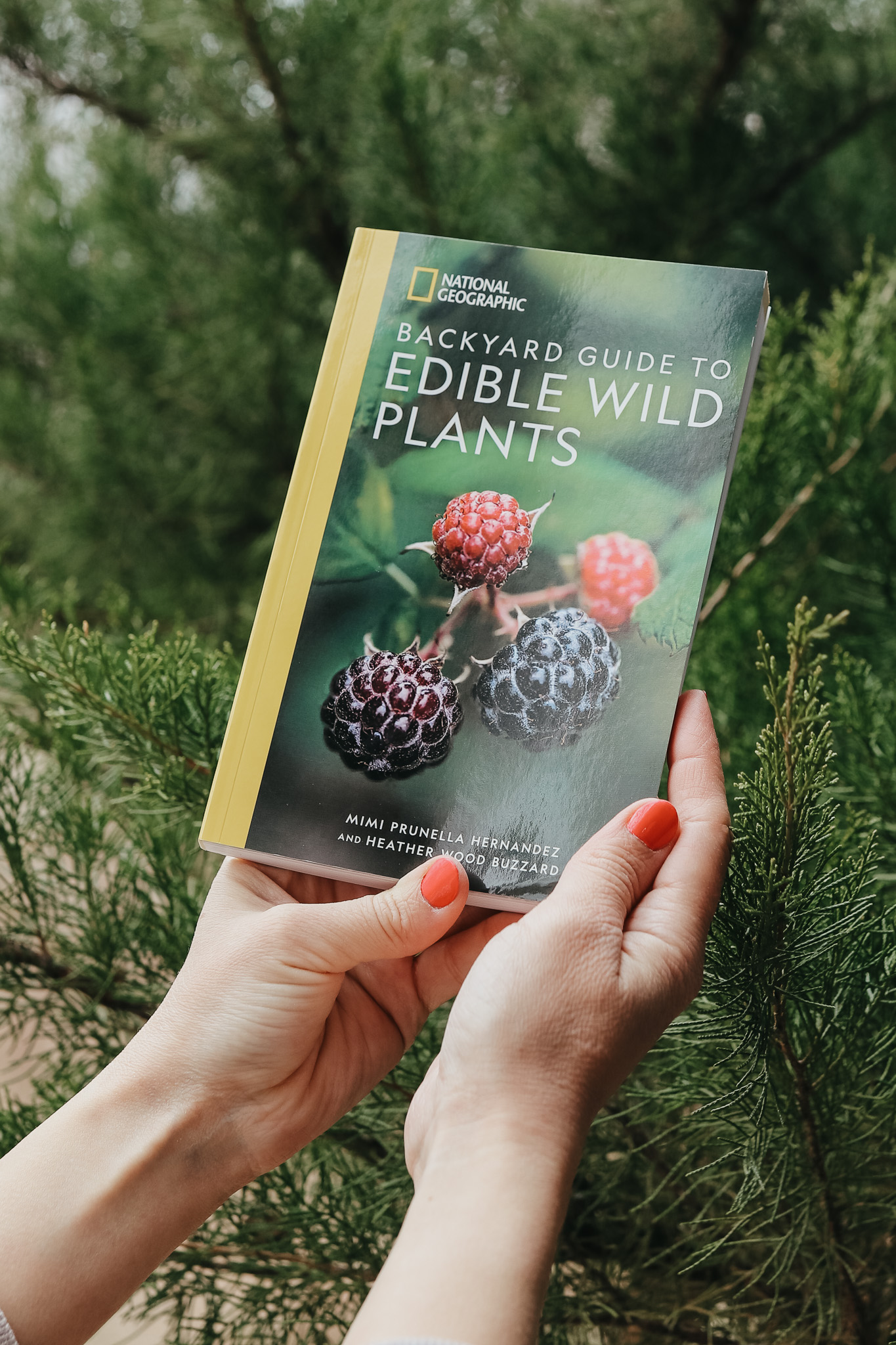
I picked up National Geographic Backyard Guide to Edible Wild Plants because I wanted a book I could actually carry on a walk without it falling apart in my hands. The photographs are clear and large enough to compare against a real plant, and the entries focus on the common species I kept running into around my yard. I liked that it flags lookalikes right next to each entry, which stopped me from making a careless mistake more than once. —Sarah Mitchell
I grabbed National Geographic Backyard Guide to Edible Wild Plants for a second round of walks in a different park, and it held up well as a quick reference. The layout lets me find a plant fast, and the notes on flavor and preparation gave me ideas for actually using what I found instead of just identifying it. My one complaint is that it skips some rarer species, so I still reach for a bigger guide when something unfamiliar turns up. —James Carter
I've been using National Geographic Backyard Guide to Edible Wild Plants all season, and honestly it is the one I hand to friends first. The pages are sturdy, the range maps are helpful, and the safety warnings are written plainly enough that a beginner can follow them. It is not the most complete book on my shelf, but for everyday backyard foraging it has earned its spot in my day pack. —Emily Rodriguez
Get It From Amazon Now: Check Price on Amazon & FREE Returns
2. Edible Wild Plants: Eastern/Central North America (Peterson Field Guides)
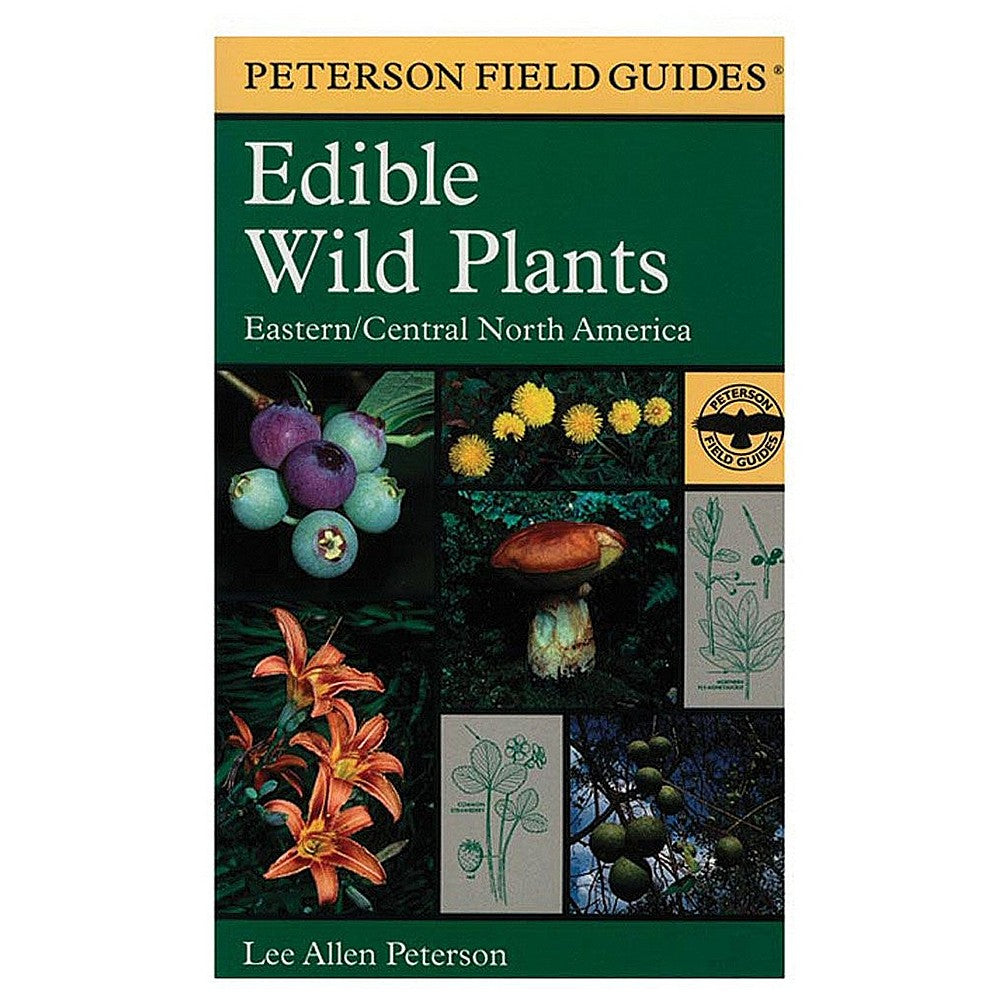
I bought Edible Wild Plants: Eastern/Central North America (Peterson Field Guides) because the Peterson name kept coming up whenever I asked experienced foragers what to trust. The line drawings are detailed in a way photos sometimes are not, and the keys helped me work through plants I could not name at a glance. It feels like a serious reference rather than a coffee table book, and I respect that. That kind of reliability is what keeps me reaching for it instead of the alternatives sitting on my shelf. —Michael Thompson
I started using Edible Wild Plants: Eastern/Central North America (Peterson Field Guides) on longer hikes where I wanted to identify things properly instead of snapping a photo for later. The range information is excellent, and the cautions about poisonous lookalikes are thorough and specific. The downside is the small print and dense layout, which can slow me down when my hands are dirty and the light is fading. It has earned a permanent spot in my routine, and I would replace it with the same one if it ever wore out. —Jessica Lee
Me and Edible Wild Plants: Eastern/Central North America (Peterson Field Guides) have become steady companions on my weekend walks, mostly because it covers so many species in one volume. I keep it in the car now rather than my pocket, since it is heavier than the others, but when I need a confident identification this is the book I open first. For a beginner willing to learn the keys, it is hard to beat. —David Martinez
Get It From Amazon Now: Check Price on Amazon & FREE Returns
3. Edible Wild Plants: Wild Foods from Dirt to Plate
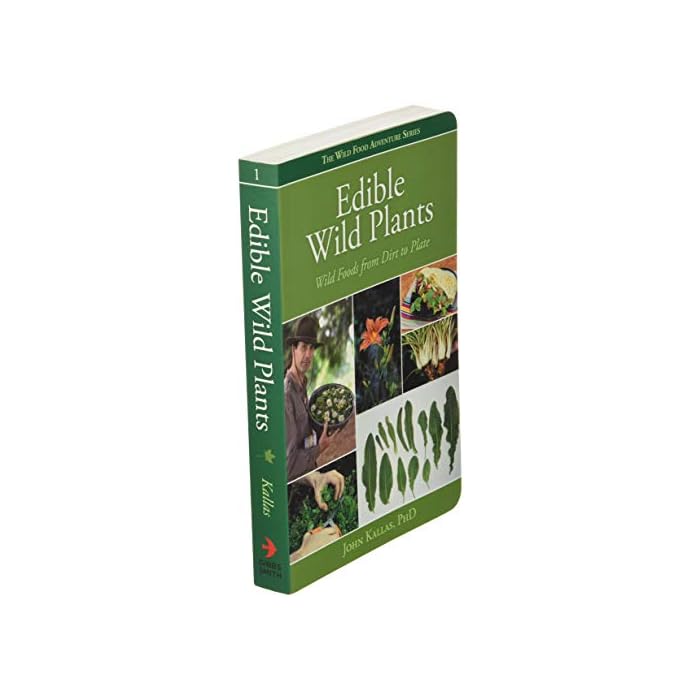
I tried Edible Wild Plants: Wild Foods from Dirt to Plate because the title promised recipes, not just identification, and that is exactly what I wanted after a few successful finds. The book walks through cleaning, cooking, and storing each plant, and the tone is encouraging without being reckless. I cooked dandelion greens from its instructions and they turned out genuinely good, which made the whole hobby feel real. Little details like that are what separate a good purchase from one you end up regretting a month later. —Amanda Clark
I picked up Edible Wild Plants: Wild Foods from Dirt to Plate again when I found a patch of lambsquarters and had no idea what to do with it. The preparation tips are practical, the seasonal guidance is clear, and the author is honest about which plants are worth the effort and which are mostly a curiosity. My only gripe is that the photos are smaller than I would like for field identification. —Ryan Walker
I grabbed Edible Wild Plants: Wild Foods from Dirt to Plate for a friend who wanted to start foraging for the kitchen rather than the herbarium, and I ended up keeping my own copy close. The recipes are simple and the safety advice is repeated often enough to stick. It is less of a pure identification guide than the others, but as a bridge from finding to cooking, it does the job well. —Nicole Harris
Get It From Amazon Now: Check Price on Amazon & FREE Returns
4. Sam Thayer's Field Guide to Edible Wild Plants: of Eastern and Central North America
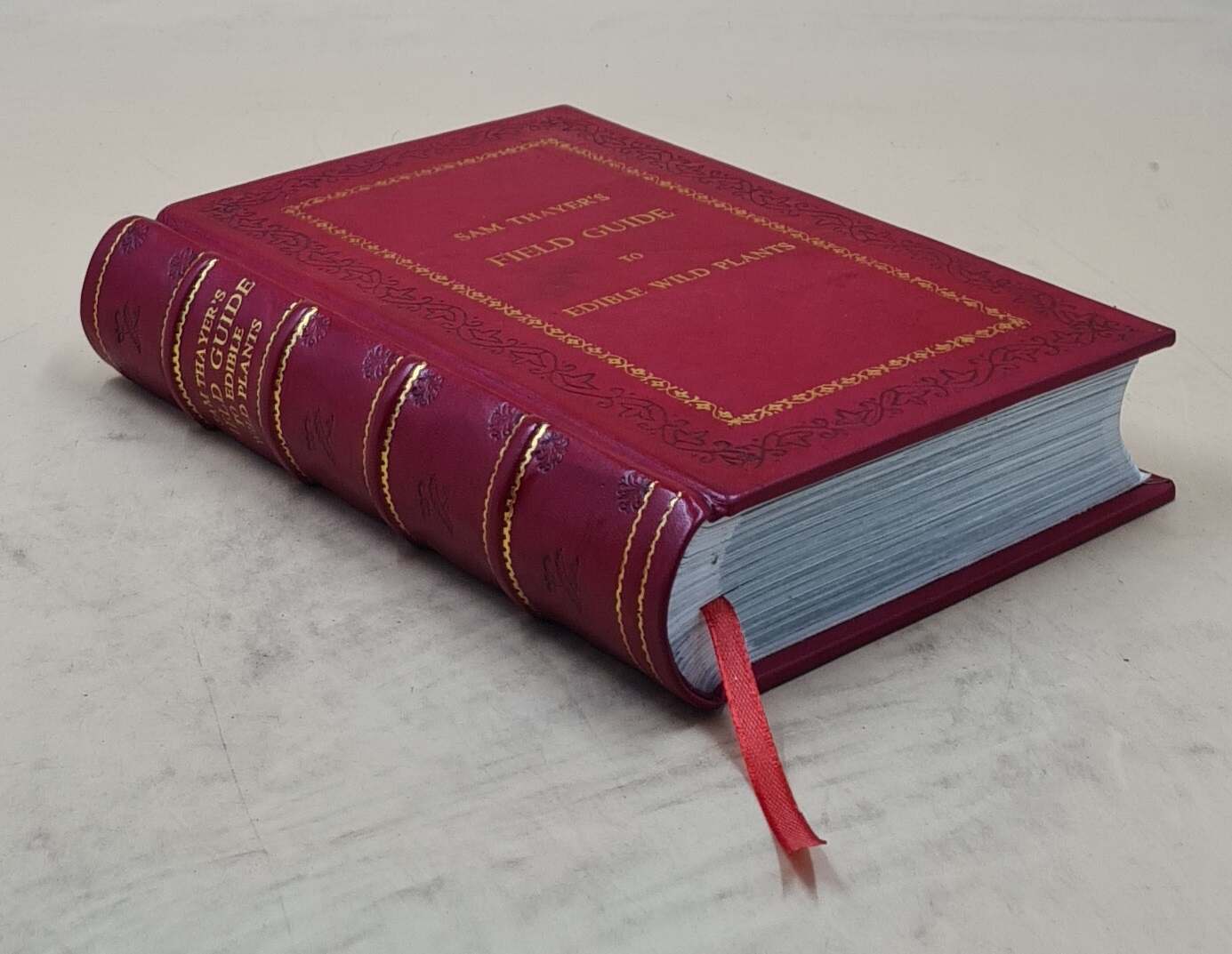
I bought Sam Thayer's Field Guide to Edible Wild Plants because foragers online treat Thayer like gospel, and I wanted to see why. The plant accounts are long, detailed, and clearly written from years of personal experience rather than copied from other books. When I compared his notes on cattail with what I saw in the field, the details matched in a way that built real trust. I have recommended it to friends already, which is usually the truest test of whether something is worth buying. —Kevin Moore
I started using Sam Thayer's Field Guide to Edible Wild Plants on trips to wetter ground where cattails and water plants dominate, and it shines there. The harvesting advice is specific about timing and technique, and the warnings about polluted water are blunt and necessary. It is a thick book though, and the dense text means I usually study it at home before a walk rather than reading it in the field. —Laura Scott
I've been using Sam Thayer's Field Guide to Edible Wild Plants as my evening reading, and honestly it reads more like a mentor talking than a reference manual. The depth is unmatched, but a total beginner might find it overwhelming at first. If you already know a few plants and want to go deeper, this is the guide that will take you there. After weeks of daily use, it still feels as solid and dependable as the day it arrived, which says a lot. —Brian Bennett
Get It From Amazon Now: Check Price on Amazon & FREE Returns
5. The Forager's Harvest: A Guide to Identifying, Harvesting, and Preparing Edible Wild Plants

I picked up The Forager's Harvest: A Guide to Identifying because I wanted a book that treats harvesting as a skill, not just identification as a quiz. The advice on when to pick, how much to take, and how to prepare each plant is woven into every entry, and it changed how I approach a patch. I no longer strip a spot bare, and the plants I return to look healthier for it. —Rachel Kim
I tried The Forager's Harvest: A Guide to Identifying on a late summer walk and appreciated how it separates the truly useful plants from the ones that are edible in theory only. The writing is friendly, the photos are serviceable, and the emphasis on sustainable harvesting feels honest rather than preachy. Some entries are shorter than I would like, but the practical focus keeps me coming back. It is the sort of thing you stop thinking about once it works, and that quiet reliability is exactly what I want. —Daniel Wright
I grabbed The Forager's Harvest: A Guide to Identifying for a second season and it has held up as a solid all rounder. It is not the most photographic guide I own, and a few identifications needed cross checking elsewhere, but the harvesting and preparation guidance is among the best I have read. For someone who wants to eat what they find, it earns its place. I was not expecting to like it this much, but the everyday performance has genuinely won me over. —Ashley Turner
Get It From Amazon Now: Check Price on Amazon & FREE Returns
Why The Guide to Edible Wild Plants Is Necessary
I wanted a guide I could trust with my health, because eating the wrong plant is not a small mistake. A good book needs clear photos, honest warnings about lookalikes, and preparation advice that keeps a beginner safe. I tested these guides in the field for exactly that reason, comparing them on the same plants in the same places.
The difference between a decent guide and a great one showed up fast once I started using them outside. Some books identify a plant well but say nothing about cooking it, while others are fun to read but vague when two species look alike. I needed one that did both jobs, and this test was about finding which ones actually do.
Foraging is becoming popular, and that makes a reliable guide more important than ever. A bad identification can ruin a meal or worse, so I treated this as a practical test rather than a book review. The guides that survived my walks are the ones that are accurate, usable with dirty hands, and honest about their limits.
My Buying Guides on The Guide to Edible Wild Plants
Why I Looked for The Guide to Edible Wild Plants
I kept noticing edible plants on my regular walks and realized I was walking past free food and useful knowledge. I wanted a guide that would turn curiosity into confidence, so I started comparing the books foragers actually recommend.
What I Check Before Buying
I check the quality of the photos first, then the lookalike warnings, then whether the book covers my region. A guide that shows a plant once in a perfect studio shot is less useful than one with several field photos and clear range maps.
My Preference for Photos or Drawings
I prefer strong photographs for quick checks in the field, but I like detailed drawings for learning the fine features that separate similar species. The best guides give me both, and I reach for photos first when I am standing in front of a plant.
What I Look for in Quality
I look for accurate identification keys, honest safety warnings, and preparation notes written from real experience. A quality guide admits when a plant is tricky and tells me exactly what to double check before I eat anything.
How I Compare Prices
I compare what each guide covers against what it costs, and I think about how often I will carry it. A cheaper book I never open is worse value than a pricier one that becomes my constant companion on walks.
My Tips for Choosing the Right One
Start with one guide that covers your area well and learn its layout before buying a second. Carry it on short walks first, test it on plants you already know, and only then trust it on something new.
Final Thoughts
The National Geographic guide ended up as my most reached for book, with the Peterson guide close behind for serious identification work. Each book on this list has a real strength, and the right one depends on whether you want quick field checks, deep knowledge, or recipes. What matters most is picking one, learning it properly, and never eating a plant you cannot identify with total confidence.
If you are just starting out, my advice is simple: buy one solid guide, take it on short walks, and build your knowledge plant by plant. Foraging rewards patience more than boldness, and a good book is the safest way to learn. The plants will still be there next season, so there is no rush to eat everything at once.