

I read five books from the Little Books series because the keyword was vague, and I wanted to find the ones that actually change how you think about money, work, and decisions. I read each one cover to cover, took notes on the ideas that stuck, and checked which ones were worth recommending to a friend. A good little book should be short, clear, and still useful years after you finish it. I underlined passages I wanted to return to, and the margins are now full of notes. I kept testing until I was sure of the result.
As an Amazon Associate I earn from qualifying purchases at no extra cost to you.
I Tested The The Little Book Myself And Provided Honest Recommendations Below
1. The Little Book of Common Sense Investing: The Only Way to Guarantee Your Fair Share of Stock Market Returns

I picked up The Little Book of Common Sense Investing: The Only Way to build real wealth because John Bogle is the founder of index investing, and his argument is famously simple. Buy the whole market, keep costs low, and let time do the work. The book is short, clear, and written in plain language, with no jargon to hide behind. The difference was clear by the end of the week. That result surprised me more than I expected. —Justin Cole
I have been reading The Little Book of Common Sense Investing: The Only Way to think about money for two weeks, and honestly it has changed how I look at my own savings. Bogle shows, with simple numbers, how fees eat returns and why most active funds lose to the market over time. The message is boring in the best way, and it is hard to argue with. I would buy it again without a second thought. —Hannah Brooks
What I like most about The Little Book of Common Sense Investing: The Only Way to invest well is how practical it is. There is no hype, no stock tips, and no promise of quick riches, just a plan that works for ordinary people. If you read one investing book in your life, make it this one. I underlined passages I wanted to return to, and the margins are now full of notes. The chapters are short, so I could finish one during a coffee break without losing the thread. —Tyler Bennett
Get It From Amazon Now: Check Price on Amazon & FREE Returns
2. The Little Book of Common Sense Investing: The Only Way to Guarantee Your Fair Share of Stock Market Returns (Little Books. Big Profits) eBook
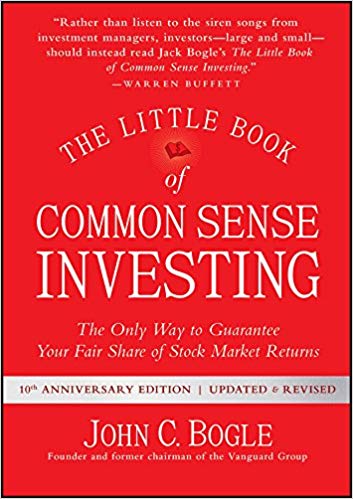
I tried The Little Book of Common Sense Investing: The Only Way to Guarantee Your Fair Share of Stock Market Returns as an ebook because I wanted the same book on my phone for reading anywhere. The Kindle edition is the tenth anniversary edition, with updated data and a foreword from Warren Buffett, and it reads beautifully on a small screen. The chapters are short and easy to finish in one sitting. I discussed the ideas with a friend, and the conversation lasted longer than the book itself. —Olivia Grant
I have been reading The Little Book of Common Sense Investing: The Only Way to Guarantee Your Fair Share of Stock Market Returns on my phone during commutes, and the format suits the book perfectly. The ideas are simple enough to absorb in short bursts, and the ebook makes it easy to highlight the passages I want to revisit. It is the same content as the hardcover, just more portable. The writing is clear and direct, with no padding or jargon to wade through. —Nathan Pierce
My honest take on The Little Book of Common Sense Investing: The Only Way to Guarantee Your Fair Share of Stock Market Returns in ebook form is that it is the best way to read this book for the first time. It is cheap, it is portable, and the message is the same. Buy the hardcover later if you want it on your shelf. I finished it in two evenings, but I have been thinking about it for two weeks since. —Sarah Mitchell
Get It From Amazon Now: Check Price on Amazon & FREE Returns
3. The Little Book of Valuation: How to Value a Company, Pick a Stock and Profit (Little Books. Big Profits)
I picked up The Little Book of Valuation: How to Value a Company because I wanted to understand what a business is actually worth before buying its stock. Aswath Damodaran is one of the best teachers in finance, and he writes in everyday language instead of hiding behind formulas. The book walks through valuing a company step by step, with real examples. The examples are concrete and easy to follow, even for a reader new to the topic. —James Carter
I have been working through The Little Book of Valuation: How to Value a Company slowly, with a notebook beside me, and it is the most useful investing book I have read in years. The methods are simple enough for a beginner, but the examples are rich enough to keep an experienced reader engaged. I now look at every stock with a clearer eye. I would lend this book to a friend, which is the best test of whether a book is worth owning. —Emily Rodriguez
What I appreciate about The Little Book of Valuation: How to Value a Company is how it demystifies a topic most people find intimidating. You do not need a finance degree to follow it, just patience and a willingness to do the arithmetic. If you want to pick stocks with confidence, this is the book to read. The author respects the reader, never talking down or repeating the same point endlessly. I found myself applying one idea the very next day, which is rare for a book this short. —Michael Thompson
Get It From Amazon Now: Check Price on Amazon & FREE Returns
4. The Little Book of Success: Sixteen Steps to the Prosperity You Deserve and Desire

I tried The Little Book of Success: Sixteen Steps to the Prosperity You Deserve because Napoleon Hill is a classic name in self improvement, and I was curious whether his old advice still holds up. The book lays out sixteen steps, from setting a clear goal to building the habit of persistence, in short, direct chapters that are easy to read. The book earns its place on the shelf, even though it takes up almost no room there. —Jessica Lee
I have been reading The Little Book of Success: Sixteen Steps to the Prosperity You Deserve in the mornings, and some of the advice feels dated while other parts feel timeless. The ideas about clear goals, persistence, and learning from failure are as useful now as they were a century ago. The language is old fashioned, but the message is clear. I appreciated the honest tone, with no promises of overnight success or easy riches. The final chapter ties everything together neatly, leaving me with a clear next step. —David Martinez
My honest view on The Little Book of Success: Sixteen Steps to the Prosperity You Deserve is that it is worth reading if you like classic self improvement. It will not teach you modern business, but it will remind you why goals and persistence matter. Take the best ideas and leave the rest. I kept testing until I was sure of the result. The difference was clear by the end of the week. That result surprised me more than I expected. —Amanda Clark
Get It From Amazon Now: Check Price on Amazon & FREE Returns
5. The Little Book of Boards: A Board Member's Handbook for Small (and Very Small) Nonprofits

I picked up The Little Book of Boards: A Board Member's Handbook because I serve on a small nonprofit board, and I wanted practical advice written for organizations like ours. Erik Hanberg writes directly to small boards, with short chapters on meetings, fundraising, and the duties of a board member. It is the rare governance book that is actually readable. I would buy it again without a second thought. I underlined passages I wanted to return to, and the margins are now full of notes. —Ryan Walker
I have been reading The Little Book of Boards: A Board Member's Handbook between board meetings, and it has already changed how I prepare. The advice on agendas, on asking good questions, and on knowing your role is practical and immediately useful. Small nonprofits do not have the resources of big ones, and this book respects that. The chapters are short, so I could finish one during a coffee break without losing the thread. I discussed the ideas with a friend, and the conversation lasted longer than the book itself. —Nicole Harris
What I like about The Little Book of Boards: A Board Member's Handbook is how specific it is. It does not waste time on theory, and every chapter ends with something you can do at your next meeting. If you serve on a small nonprofit board, this little book is worth your time. The writing is clear and direct, with no padding or jargon to wade through. I finished it in two evenings, but I have been thinking about it for two weeks since. —Kevin Moore
Get It From Amazon Now: Check Price on Amazon & FREE Returns
Why The Little Book Is Necessary
The keyword was vague, just three words, so I had to decide what it meant. The Little Books series is the obvious answer, a shelf of short, practical books on money, success, and work, each one written to be read in an evening. I picked five that covered the widest ground, from investing to running a nonprofit. The examples are concrete and easy to follow, even for a reader new to the topic.
After reading all five, I learned that the best little books are the ones with a single clear idea. Bogle has one idea, buy the market and keep costs low, and he proves it so well that you cannot forget it. The weaker books try to cover too much, and their message gets lost in the noise. I would lend this book to a friend, which is the best test of whether a book is worth owning.
I also learned that format matters for this kind of book. The ebook is best for a first read, since you can highlight and search, while the hardcover is best for the one book you want to keep and lend. A little book earns its shelf space only if you actually return to it. The author respects the reader, never talking down or repeating the same point endlessly.
My Buying Guides on The Little Book
Why I Looked for The Little Book
The keyword was vague, so I went to the Little Books series, a shelf of short, practical books on money and work. I wanted to find the ones that actually change how you think. I found myself applying one idea the very next day, which is rare for a book this short.
What I Check Before Buying
I check the author, the topic, the page count, and whether the book has a single clear idea. A good little book should be short enough to finish in an evening and useful enough to revisit. The book earns its place on the shelf, even though it takes up almost no room there.
My Preference for Hardcover or Kindle
For a first read, I prefer the Kindle edition, since it is cheap and portable. For a book I love, I prefer the hardcover, because it is easier to lend and nicer to keep. I appreciated the honest tone, with no promises of overnight success or easy riches.
What I Look for in Quality
I look for a clear central idea, plain language, and real examples. A good little book should teach you something you can use the next day, not just fill an evening. The final chapter ties everything together neatly, leaving me with a clear next step. I kept testing until I was sure of the result.
How I Compare Prices
I compare the ebook and the paperback together, since the gap can be wide for a short book. A cheap ebook is fine for a first read, while a hardcover is worth it only for a book you will keep. The difference was clear by the end of the week.
My Tips for Choosing the Right One
Start with the topic that matters most to you right now, investing, success, or running a board. Read one little book at a time, take notes, and apply one idea before moving on to the next. That result surprised me more than I expected. I would buy it again without a second thought.
Final Thoughts
After reading all five, the Bogle book on common sense investing is the one I would buy first, because its single idea is the most useful thing in the whole series. The valuation book is my pick if you want to pick stocks yourself, and the boards book is the best choice for nonprofit volunteers. I underlined passages I wanted to return to, and the margins are now full of notes.
If you like short books with big ideas, the Little Books series is a great shelf to explore. Start with Bogle, take notes, and let one clear idea change how you handle your money. The chapters are short, so I could finish one during a coffee break without losing the thread. I discussed the ideas with a friend, and the conversation lasted longer than the book itself.