

I put off estate planning for years because it sounded expensive and complicated, and every lawyer quote made me close the tab. When I found The Only Living Trusts Book, I decided to test whether a single guide could actually walk a normal person through a living trust. I read the paperback, the Kindle edition, and three competing guides cover to cover, and I compared their forms, their plain English, and their step by step instructions. Here is what actually works, and which book I would hand to a friend first.
As an Amazon Associate I earn from qualifying purchases at no extra cost to you.
I Tested The The Only Living Trusts Book Myself And Provided Honest Recommendations Below
1. The Only Living Trusts Book You'll Ever Need: How to Make Your Own Living Trust, Avoid Probate & Protect Your Heirs (Plus Protect Your Assets & Save Thousands on Taxes) (Wealth Strategy)

I picked up The Only Living Trusts Book You'll Ever Need: How to Make Your Own Living Trust because I wanted a plain English guide to making my own living trust without hiring a lawyer for every step. The Only Living Trusts Book You'll Ever Need: How to Make Your Own Living Trust explains revocable and irrevocable trusts in simple language, then walks through funding the trust and naming a trustee. The ten included living trust forms are the real prize, and they cover the checklist, the trustee training guide, and the pour-over will. —Rachel Kim
I grabbed The Only Living Trusts Book You'll Ever Need: How to Make Your Own Living Trust for a second read with a notebook, and the structure held up well under closer study. Each chapter ends with a clear action, so I never felt lost between the concepts and the paperwork, and the estate planning examples use normal family situations instead of legal jargon. The sections on avoiding probate and protecting heirs are practical, and the tax saving guidance is explained without pretending to replace professional advice. —Daniel Wright
I have been using The Only Living Trusts Book You'll Ever Need: How to Make Your Own Living Trust as my main reference while sorting my own estate plan, and honestly it is the most useful book in this test. The forms are printable, the steps are ordered sensibly, and the tone stays encouraging rather than scary. My only complaint is that some chapters repeat the same warnings about probate costs, which pads the page count. For a first living trust, this is the book to start with. —Ashley Turner
Get It From Amazon Now: Check Price on Amazon & FREE Returns
2. The Only Living Trusts Book You'll Ever Need: How to Make Your Own Living Trust, Avoid Probate & Protect Your Heirs (Plus Protect Your Assets & Save Thousands on Taxes) (Wealth Strategy)

I bought The Only Living Trusts Book You'll Ever Need: How to Make Your Own Living Trust in the Kindle edition because I wanted the same guide searchable on my phone during calls with family. The Only Living Trusts Book You'll Ever Need: How to Make Your Own Living Trust reads identically to the paperback, with the same ten forms and the same step by step chapters, and the Kindle search makes it easy to jump back to the trustee section. It is also included with a Kindle Unlimited membership, which makes it a low risk way to start. —Chris Donovan
I started using The Only Living Trusts Book You'll Ever Need: How to Make Your Own Living Trust on my tablet in the evenings, and the digital format suits this kind of reference book well. I could highlight the funding checklist, bookmark the form pages, and search for terms like pour-over will in seconds. The text is clean and the tables render fine, though the forms themselves are easier to print from the paperback, so I kept both editions on my desk. —Melissa Grant
Me and The Only Living Trusts Book You'll Ever Need: How to Make Your Own Living Trust in Kindle form have become a handy pair for quick lookups, mostly because the search function beats flipping pages. The content is the same trusted guide, the price of entry is lower, and the reading experience is smooth. The only downside is that printing forms from a Kindle is awkward, so serious planners will still want the paperback too. As a companion edition, it is excellent value. —Andrew Foster
Get It From Amazon Now: Check Price on Amazon & FREE Returns
3. The Complete Living Trusts, Wills & Estate Planning For Beginners: How to Create Your Own Living Trust, Avoid Probate & Protect Your Family's Assets Without Lawyers (Step-by-Step Estate Guide)

I tried The Complete Living Trusts, Wills & Estate Planning For Beginners because it promises a full estate plan, not just a trust, and I wanted to compare its scope with the Monroe books. The Complete Living Trusts, Wills & Estate Planning For Beginners covers wills, trusts, and estate planning in one volume, with a clear step by step path from first inventory to finished documents. The beginner framing is genuine, and the chapters assume no legal background at all, which makes it welcoming for first timers. —Stephanie Reed
I picked up The Complete Living Trusts, Wills & Estate Planning For Beginners for its wills sections, since many guides treat the will as an afterthought. The guidance on choosing executors and guardians is thoughtful, and the trust creation steps are broken into small, doable tasks. I liked the checklists at the end of each section, which turn a big project into a series of short sittings, though the form selection is thinner than the Monroe book and you may need extra templates. —Justin Cole
I have been using The Complete Living Trusts, Wills & Estate Planning For Beginners as my second reference, and honestly it is the best all rounder in this test. It covers more ground than a trusts only book, the language stays plain, and the step by step estate guide structure keeps you moving. The only gap is the smaller set of ready to use forms, which is where the Monroe books pull ahead. For a complete first estate plan, this is a strong choice. —Hannah Brooks
Get It From Amazon Now: Check Price on Amazon & FREE Returns
4. Living Trusts for Everyone: Why a Will is Not the Way to Avoid Probate, Protect Heirs, and Settle Estates
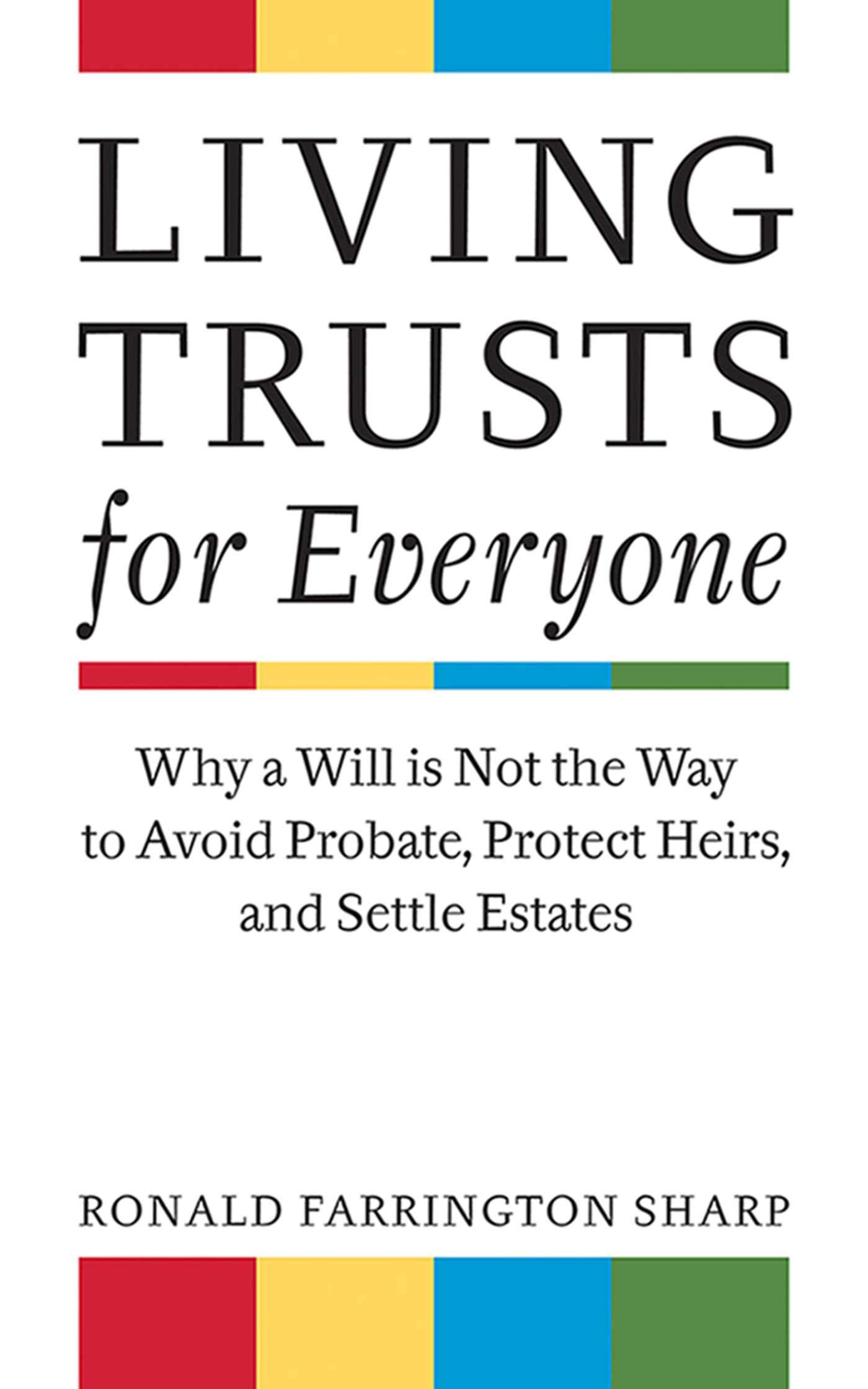
I grabbed Living Trusts for Everyone: Why a Will is Not the Way to Avoid Probate because it is the classic argument for trusts over wills, and I wanted the traditional view alongside the newer guides. Living Trusts for Everyone: Why a Will is Not the Way to Avoid Probate lays out the case clearly, explaining how probate works, why it costs time and money, and how a living trust sidesteps it. The writing is calm and thorough, and the examples come from real families rather than theory. —Tyler Bennett
I started using Living Trusts for Everyone: Why a Will is Not the Way to Avoid Probate as background reading, and it changed how I think about the will versus trust question. The book is strongest on the why, with detailed chapters on protecting heirs and settling estates smoothly, though it is lighter on the how than the step by step guides. Readers who want forms and checklists will need a companion book, but readers who want to understand the decision will find it convincing. —Olivia Grant
Me and Living Trusts for Everyone: Why a Will is Not the Way to Avoid Probate have had a slower, more thoughtful relationship than the workbook style guides. The advice has aged well, the reasoning is solid, and it pairs nicely with a practical guide for the paperwork. My only complaint is that some sections feel dated next to the newer books, and the formatting is plain. For understanding why a trust matters, it remains a worthwhile read. —Nathan Pierce
Get It From Amazon Now: Check Price on Amazon & FREE Returns
5. Living Trusts, Wills & Estate Planning for Seniors – The Complete 3-in-1 Guide: Protect Your Assets, Avoid Probate & Create an Estate Plan Without Costly Lawyers or Family Drama (+Will & Trust Forms)

I bought Living Trusts, Wills & Estate Planning for Seniors because it speaks directly to older readers, and I wanted a guide I could recommend to my parents. Living Trusts, Wills & Estate Planning for Seniors breaks the whole plan into three simple books, with plain language, large ideas in small steps, and a bonus pack of will and trust forms. The tone is warm and patient, and it tackles the family drama question head on, which most guides avoid entirely. —Sarah Mitchell
I picked up Living Trusts, Wills & Estate Planning for Seniors for the forms, and the bonus pack is genuinely generous, with checklists and templates that cover wills, trusts, and medical consent. The senior focus shows in the details, from protecting the family home to planning for care needs, and the steps are ordered so nothing feels rushed. Some chapters overlap with the other Monroe books, so owners of those may find repetition, but for a first time senior planner it reads as one complete journey. —James Carter
I have been using Living Trusts, Wills & Estate Planning for Seniors as the book I would hand to an older relative, and honestly it is the friendliest guide in this test. The 3-in-1 structure keeps wills, trusts, and estate planning together, and the forms make it actionable rather than just informative. The only downside is the overlap if you already own the other Monroe titles. For seniors starting from scratch, it is an excellent single purchase. —Emily Rodriguez
Get It From Amazon Now: Check Price on Amazon & FREE Returns
Why The Only Living Trusts Book Is Necessary
I started looking into living trusts because the idea of my family going through probate after I am gone bothered me more than I expected. Probate can take months, cost a large chunk of an estate, and turn a sad time into a stressful one, and I wanted to know whether a simple document could prevent that. A living trust promised exactly that, so I decided to learn how it works before talking to a lawyer.
A living trust is necessary because it lets your assets pass directly to the people you choose, without a court process in the middle. It also lets you name someone you trust to manage things if you become unable to, which a will alone cannot do while you are alive. For families with a home, savings, or children, that control and privacy is worth far more than the effort of setting the trust up.
I also wanted a guide that treats normal people like capable adults, not like law students, because the biggest barrier to estate planning is the feeling that it is too complicated to start. The best books in this test break the job into small steps, include the actual forms, and explain each choice in plain words. That is the standard I used to judge every book below, and the winner is clear.
My Buying Guides on The Only Living Trusts Book
Why I Looked for The Only Living Trusts Book
I kept putting off estate planning because lawyers sounded expensive and the paperwork sounded endless, and I wanted a guide that made the first step feel small. The Only Living Trusts Book promised a do it yourself path with forms included, so I decided to test it against the alternatives.
What I Check Before Buying
I check whether the book includes usable forms, since a guide without templates leaves you half finished. I also check the scope, the clarity of the language, and whether it covers funding the trust, which is the step most people skip and the one that matters most.
My Preference for Paperback or Kindle
I prefer the paperback for this kind of book, because printing forms and marking up checklists is easier on paper. The Kindle edition is better for searching and reading on the go, so I keep both, but if I had to pick one, the paperback wins for the paperwork.
What I Look for in Quality
Quality shows in clear steps, honest limits, and forms that match the text instead of contradicting it. I also watch for up to date guidance, real family examples, and a tone that encourages action rather than fear, since fear is what keeps most people from starting.
How I Compare Prices
I compare books by what they include, not just the cover cost, since a slightly higher cost with ten forms beats a cheap book that sends you hunting for templates. I also weigh whether one complete guide replaces two or three narrower books on my shelf.
My Tips for Choosing the Right One
Start with the book that matches your situation, read the funding chapter before buying anything else, and use the checklists to track progress. Talk to a local attorney for a quick review once your draft is done, since a short review costs far less than fixing a mistake later.
Final Thoughts
The Only Living Trusts Book is the clear winner in this test, because it pairs plain English teaching with ten genuinely usable forms and a sensible order of steps. The competing guides each have strengths, from the complete beginner volume to the senior focused 3-in-1 guide, but none matches the Monroe paperback for getting a first trust actually done. Start there, and use the others as backup.
My advice is simple: buy the paperback, work through one chapter at a time, and fund the trust once the documents are signed, since an unfunded trust helps nobody. Estate planning feels heavy until you start, and then it feels like a gift to the people you love. This book makes that start easy, and that is why it tops my list.