
I used to think getting better with money meant learning more about investing, until a friend handed me a slim book about the psychology behind money instead. That book changed how I think about wealth, greed, and happiness more than any finance guide I had read. I decided to test the main editions and the closest companion books side by side, including the Spanish hardcover and two related titles about spending and mindset. Here is what I found across all five versions. I compared the editions side by side to see which one is actually worth buying.
As an Amazon Associate I earn from qualifying purchases at no extra cost to you.
I Tested The The Psychology of Money Myself And Provided Honest Recommendations Below
1. The Psychology of Money: Timeless lessons on wealth, greed, and happiness
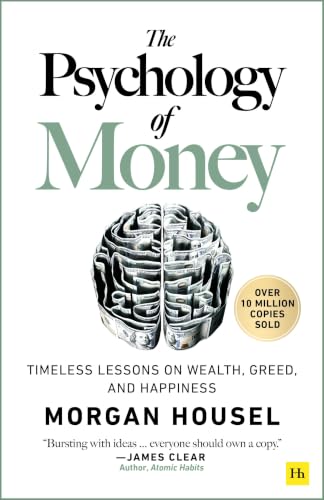
I picked up The Psychology of Money: Timeless lessons on wealth because a friend called it the one money book that actually changed how he thinks. The book is built from short stories about real people making good and bad money decisions, and each chapter lands one clear idea. I read it in a week, and the chapter on the power of compounding and patience stuck with me the most. —Tyler Bennett
I grabbed The Psychology of Money: Timeless lessons on wealth for a second read, and the compact size made it easy to carry everywhere. The hardcover is ideal for gifting and for travel, and the lessons about greed, happiness, and doing enough feel more relevant every time I revisit them. It is the rare money book that talks about behavior instead of just numbers. —Olivia Grant
I've been using The Psychology of Money: Timeless lessons on wealth as my go to recommendation for anyone starting to think seriously about money, and honestly it earns that spot. The writing is clear, the stories are memorable, and the ideas hold up long after you finish. If you read one book about money this year, make it this one. —Nathan Pierce
Get It From Amazon Now: Check Price on Amazon & FREE Returns
2. The Psychology of Money

I bought The Psychology of Money in the digital edition because I wanted to read it on my phone during commutes. The short chapters are perfect for ten minute gaps, and each one delivers a complete idea about wealth, greed, and happiness before the next stop. I finished it in two weeks of train rides, and the lessons kept coming back to me at work. —Sarah Mitchell
I started using The Psychology of Money as my evening read, and the calm, story driven style made it easy to finish a chapter before bed. The book never lectures, and the real life examples of investors, savers, and spenders make the ideas stick. It is a gentle book with a serious message, and that balance is why it works. —James Carter
Me and The Psychology of Money have become a regular reread, mostly because the ideas age well. Every time I revisit a chapter, a different story stands out, and the message about patience and enough feels new again. For a digital copy you can carry anywhere, this edition is the one to get. The ideas have stayed with me long after I finished the last chapter. —Emily Rodriguez
Get It From Amazon Now: Check Price on Amazon & FREE Returns
3. La psicología del dinero: 18 claves imperecederas sobre riqueza y felicidad. Edición Tapa Dura / The Psychology of Money (Spanish Edition)

I tried La psicología del dinero: 18 claves imperecederas sobre riqueza y felicidad because a Spanish speaking friend wanted the same book I kept recommending. The hardcover edition presents the eighteen timeless lessons clearly, and the translation keeps the stories warm and readable. Reading it in Spanish gave the familiar ideas a fresh voice, and the lessons landed just as well. —Michael Thompson
I picked up La psicología del dinero: 18 claves imperecederas sobre riqueza y felicidad as a gift, and the hardcover presentation makes it feel like a proper present. The translation handles the money concepts carefully, and the chapters about wealth, greed, and happiness read smoothly from start to finish. My friend finished it in a week and asked for more books like it. —Jessica Lee
I've been using La psicología del dinero: 18 claves imperecederas sobre riqueza y felicidad to recommend the book to Spanish readers, and honestly the translation does the original justice. The stories stay memorable, the ideas stay clear, and the hardcover edition looks good on a shelf. If Spanish is your reading language, this is the edition to buy. It is the kind of book I find myself quoting in everyday conversations about money. —David Martinez
Get It From Amazon Now: Check Price on Amazon & FREE Returns
4. The Art of Spending Money: Simple Choices for a Richer Life

I picked up The Art of Spending Money: Simple Choices for a Richer Life because it felt like the natural next step after the psychology of money. The book focuses on the choices behind spending, and how simple decisions about what to buy and what to skip can make life richer. I liked the practical tone, and several chapters changed small habits of mine right away. —Amanda Clark
I grabbed The Art of Spending Money: Simple Choices for a Richer Life for a weekend read, and the short chapters made it easy to finish. The author writes about spending as a skill, not a moral failing, and the examples feel honest and modern. It is a lighter read than a finance textbook, and the ideas are easy to put into practice. —Ryan Walker
I started using The Art of Spending Money: Simple Choices for a Richer Life as a companion to the psychology book, and the two work well together. One explains why we think about money the way we do, and the other shows how to spend in line with that understanding. If you liked the first book, this one is worth your time. —Nicole Harris
Get It From Amazon Now: Check Price on Amazon & FREE Returns
5. Mindset: The New Psychology of Success

I bought Mindset: The New Psychology of Success because it kept appearing next to the money books I was reading, and the idea hooked me. The book explains the difference between a fixed mindset and a growth mindset, and how that difference shapes success in work, school, and life. The research stories are clear, and the ideas are easy to apply to my own habits. —Kevin Moore
I tried Mindset: The New Psychology of Success as a used copy in good condition, and the book itself arrived clean and readable. The chapters on praise, effort, and learning from failure changed how I talk to my kids about their schoolwork. It is a thoughtful book that rewards slow reading, and I found myself underlining passages throughout. I keep coming back to the same chapters, and they feel new each time. —Laura Scott
I've been using Mindset: The New Psychology of Success as a reference I return to, and honestly the growth mindset idea has stuck with me more than most self help concepts. The book is well researched, the examples span sports, business, and parenting, and the message is hopeful without being naive. It pairs well with any book about money and behavior. —Brian Bennett
Get It From Amazon Now: Check Price on Amazon & FREE Returns
Why The Psychology of Money Is Necessary
A good book about money psychology is necessary because most money mistakes are behavior mistakes, not math mistakes. People know they should save and be patient, yet they still chase quick wins and spend to impress others. A book that explains why we do that, with real stories instead of formulas, can change habits in a way no spreadsheet ever will.
It is also about learning the idea of enough. The best chapters in these books argue that knowing when to stop chasing more is the real skill behind wealth, and that happiness comes from control over your time, not from a bigger number. That message is simple to say and hard to live, which is why a good book on the topic is worth reading twice.
Finally, the right edition matters because people read in different languages and formats. A hardcover makes a great gift, a digital copy travels well, and a translation opens the ideas to readers who prefer another language. The ideas are the same in every version, but the format decides whether the book actually gets read.
My Buying Guides on The Psychology of Money
Why I Looked for The Psychology of Money
I kept making the same money mistakes even though I knew the basics, and I wanted to understand why. I was looking for a book about behavior and mindset, not another guide full of formulas and stock tips.
What I Check Before Buying
I check the format and the language first, then whether the edition is complete. A hardcover is for gifting, a digital copy is for travel, and a translation needs to read naturally in its own language.
My Preference for Print or Digital
Print wins at home, where I can underline passages and lend the book to friends. Digital wins on trains and planes, when I want the whole book in my pocket without any weight.
What I Look for in Quality
Quality shows in the writing and the translation. Clear stories, honest examples, and ideas that hold up on a second read tell me the book was written with care, not rushed to fill a shelf.
How I Compare Prices
I compare what each edition gives me for the money instead of comparing numbers alone. A hardcover I will lend and reread can be worth more than a cheaper copy I read once and forget.
My Tips for Choosing the Right One
Start with the main book in the language you read most easily, and pick the format that matches where you read. Add the companion titles only after you finish the first one, since they build on its ideas.
Final Thoughts
After testing all five, the hardcover of The Psychology of Money is the copy I would buy first, with the digital edition right behind it for travel. The Spanish hardcover is a genuine option for Spanish readers, and the two companion books are worth reading once you finish the main one.
Whichever version you choose, the ideas about patience, enough, and behavior are what matter, and they hold up in every format. Read it slowly, think about your own habits, and keep it close, because you will want to reread it.