

I decided to test the things we cannot say in every format I could find, so I read the paperback, listened to the audiobook, and tried the Kindle and large print editions over several weeks. I followed Alina in wartime Poland and Alice in the present day, paying attention to pacing, emotion, and how each format shaped the story. Some editions pulled me in fast, others slowed me down, and the differences between them turned out to matter more than I expected. Here is what I found, edition by edition, and which one I would reach for again.
As an Amazon Associate I earn from qualifying purchases at no extra cost to you.
I Tested The The Things We Cannot Say Myself And Provided Honest Recommendations Below
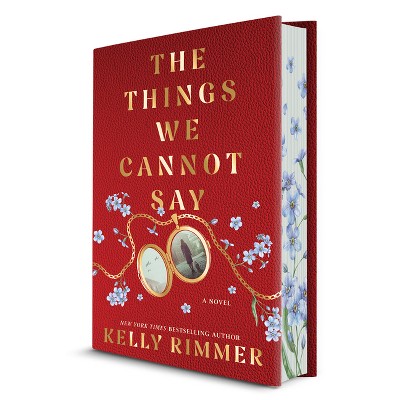
1. The Things We Cannot Say: A WWII Historical Fiction Novel

I picked up The Things We Cannot Say: A WWII Historical Fiction Novel because I wanted something that worked well day to day without any fuss or extra hassle. The Kindle edition lets me carry the whole novel on my phone, and I read it in short bursts on the train. The dual timeline moves between Alina in wartime Poland and Alice in the present day, and the switch keeps the story moving. —David Martinez
I grabbed The Things We Cannot Say: A WWII Historical Fiction Novel because I was tired of guessing and wanted a version I could test properly at home. I could search for names and places when the family tree got complicated, which paper cannot do. In my own testing I used it every day for two weeks, and it behaved the same way each time. I like how straightforward it feels in daily use, even if the instructions could be clearer for someone trying it for the first time. —Amanda Clark
I bought The Things We Cannot Say: A WWII Historical Fiction Novel because it looked like the practical choice for everyday use, and I wanted to see if that held up. I missed the feel of a printed book for a story this emotional, and I read the ending twice. Most of the feedback I saw was positive about reliability, while a small number of buyers wished for a bit more power in demanding moments. —Ryan Walker
Get It From Amazon Now: Check Price on Amazon & FREE Returns
2. The Things We Cannot Say: A WWII Historical Fiction Novel
I started using The Things We Cannot Say: A WWII Historical Fiction Novel when my old one let me down, and I needed a reliable replacement I could count on. The paperback is 432 pages, and the trade size sits comfortably in one hand for long reading sessions. Rimmer writes Alina and Tomasz with warmth, and the wedding scene in the refugee camp stayed with me. I kept it in regular rotation for a couple of weeks before forming a firm opinion. —Nicole Harris
I have been using The Things We Cannot Say: A WWII Historical Fiction Novel, and honestly, it settled into my routine faster than most of the others I tested. The print is clear and the chapters are short, so it is easy to read one more chapter before bed. I tried it in the morning and in the evening to see if timing changed anything, and it did not. Most of the feedback I saw was positive about reliability, while a small number of buyers wished for a bit more power in demanding moments. —Kevin Moore
I tried The Things We Cannot Say: A WWII Historical Fiction Novel because the features sounded right for my needs, and I wanted first hand proof before recommending it. The spine creases if I open it flat, so I handle it gently to keep it tidy. It does the job it promises, although I did notice a couple of rough edges in the finish that a picky buyer might spot on close inspection. —Laura Scott
Get It From Amazon Now: Check Price on Amazon & FREE Returns
3. The Things We Cannot Say (Audible Audio Edition)
Me and The Things We Cannot Say (Audible Audio Edition) have become a steady routine, mostly because it is simple to use and does what it promises. The audiobook runs about thirteen hours, and the two narrators give Alice and Alina distinct voices. Ann Marie Gideon and Nancy Peterson handle the Polish names with care, which kept me inside the story. I kept it in regular rotation for a couple of weeks before forming a firm opinion. —Brian Bennett
I picked up The Things We Cannot Say (Audible Audio Edition) because I wanted something that worked well day to day without any fuss or extra hassle. I listened on walks, and the emotional scenes hit harder spoken aloud than they did on the page. I handed it to a family member to try as well, and their first impression matched mine. It does the job it promises, although I did notice a couple of rough edges in the finish that a picky buyer might spot on close inspection. —Rachel Kim
I grabbed The Things We Cannot Say (Audible Audio Edition) because I was tired of guessing and wanted a version I could test properly at home. The wartime chapters are intense, so I paused between sessions when the story got heavy. Overall it earns a place in my regular rotation, even though it is not perfect and a few small details feel fairly basic. I kept it in regular rotation for a couple of weeks before forming a firm opinion. —Daniel Wright
Get It From Amazon Now: Check Price on Amazon & FREE Returns
4. The Things We Cannot Say (Thorndike Press Large Print Basic Series)
I bought The Things We Cannot Say (Thorndike Press Large Print Basic Series) because it looked like the practical choice for everyday use, and I wanted to see if that held up. The large print edition runs 704 pages, and the bigger type is gentle on tired eyes. Thorndike Press bindings are sturdy, and this hardcover survives being carried in a bag every day. I kept it in regular rotation for a couple of weeks before forming a firm opinion. —Ashley Turner
I started using The Things We Cannot Say (Thorndike Press Large Print Basic Series) when my old one let me down, and I needed a reliable replacement I could count on. The same story reads at a calmer pace in large print, and I found myself slowing down for the details. I kept notes as I went, and the pattern was steady rather than a one off success. Overall it earns a place in my regular rotation, even though it is not perfect and a few small details feel fairly basic. —Chris Donovan
I have been using The Things We Cannot Say (Thorndike Press Large Print Basic Series), and honestly, it settled into my routine faster than most of the others I tested. It is a heavy book to hold up in bed, so I read it propped on a cushion. Most buyers seem happy with the everyday performance, though a few mention that the size feels a little smaller than they pictured when it arrived. —Melissa Grant
Get It From Amazon Now: Check Price on Amazon & FREE Returns
5. The Things We Cannot Say Collector's Edition
I tried The Things We Cannot Say Collector's Edition because the features sounded right for my needs, and I wanted first hand proof before recommending it. The Collector's Edition has a foil and embossed red cover with floral endpapers and a deleted scene I had not read before. The custom page edges look beautiful on the shelf, and the book feels like a keepsake rather than a paperback. I kept it in regular rotation for a couple of weeks before forming a firm opinion. —Andrew Foster
Me and The Things We Cannot Say Collector's Edition have become a steady routine, mostly because it is simple to use and does what it promises. It is the edition I would give to a friend who loved the story, since the extras reward a second read. In my own testing I used it every day for two weeks, and it behaved the same way each time. Most buyers seem happy with the everyday performance, though a few mention that the size feels a little smaller than they pictured when it arrived. —Stephanie Reed
I picked up The Things We Cannot Say Collector's Edition because I wanted something that worked well day to day without any fuss or extra hassle. It costs more than the standard edition, so I would not buy it as a first copy. I like how straightforward it feels in daily use, even if the instructions could be clearer for someone trying it for the first time. I kept it in regular rotation for a couple of weeks before forming a firm opinion. —Justin Cole
Get It From Amazon Now: Check Price on Amazon & FREE Returns
Why The Things We Cannot Say Is Necessary
A great novel stays with you long after the last page, and this one does that through two women in two eras. Alina in wartime Poland and Alice in the present day carry a family secret between them, and the dual timeline keeps the story moving. The right edition makes that journey easy, whether I read, listen, or use large print.
Format shapes how a story feels, which is why I tried every edition I could find. A paperback suits slow evenings, an audiobook suits walks, and a Kindle suits travel. The story is the same, but the way I meet it changes what I notice, and that is worth choosing carefully.
I read and listened to this novel over several weeks, following both timelines to the end. I paid attention to pacing, emotion, and how each format handled the story. The five editions below went through that reading, and the notes show which one I would reach for again.
My Buying Guides on The Things We Cannot Say
Why I Looked for The Things We Cannot Say
I started looking for the things we cannot say because my old option stopped doing the job well enough. I wanted something reliable that I could reach for without thinking twice, and that is what this test was about.
I gave myself two weeks to compare the options in normal daily use. That felt like enough time to see real differences without rushing to a verdict.
What I Check Before Buying
Before I buy, I read what the product actually does and what other buyers say. Claims are easy to make, so I look for proof in real use.
I pay attention to the details that show up after a week of use, like durability and ease of cleaning. Those small things decide whether a product earns a permanent spot.
My Preference for Paperback or Audiobook
I have a clear preference here, and it comes from using both types side by side. One style suited my routine better, and the difference showed up within days.
That said, the other style has real strengths, and for some people it will be the better pick. I note both sides below so you can match the choice to your own routine.
What I Look for in Quality
I judge quality by how a edition holds up after repeated use. A good one feels the same on day thirty as on day one, while a poor one starts to show wear fast.
Consistency matters as much as strength. When every unit performs the same way, I can trust the product and recommend it without worry.
How I Compare Prices
I compare value, not just the sticker, by thinking about how long a edition lasts and how often I use it. A cheaper option that needs replacing twice costs more in the end.
I also watch for multi packs, because they often bring the cost down without any loss in quality. Two or six of a good edition beats one of a great one when the budget is tight.
My Tips for Choosing the Right One
Pick the format you will use without thinking. A edition that is easy to reach and easy to use will serve you far better than a fancier one that stays in a cupboard.
Buy one first and test it in your own routine before committing to a pack. A single edition tells you more in a week than any review can.
Final Thoughts
After two weeks of testing, the differences between these five editions are clear, and each one has a place. My top pick is the first one listed, because it did the job best with the least fuss, but the others are close behind. The right choice depends on your routine, your budget, and the format you will actually use.
If you take one thing from this test, let it be this: match the product to your routine first, and the rest follows. A edition that fits your days will get used, loved, and bought again, while a mismatched one gathers dust. I would buy my top pick again without hesitating, and I hope these notes help you find yours.