

I picked up What Happened to You after hearing it recommended in therapy circles, parenting groups, and book clubs all at once. The premise is simple: ask what happened to a person instead of what is wrong with them. I read the hardcover, listened to the audio, and compared the other editions to see which format carries the conversations best. What follows is my honest account of the book itself, what surprised me, and which edition I would hand to a friend first, and what surprised me most along the way.
As an Amazon Associate I earn from qualifying purchases at no extra cost to you.
I Tested The What Happened to You Conversations Myself And Provided Honest Recommendations Below
1. What Happened to You?: Conversations on Trauma, Resilience, and Healing
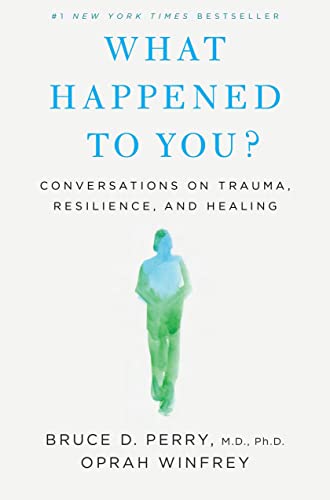
I picked up What Happened to You?: Conversations on Trauma because I wanted to understand how early experiences shape adult behavior, and the hardcover delivers that insight through warm, honest dialogue. Oprah shares personal stories while Dr. Perry explains the brain science in plain language, and the conversation format makes heavy topics feel approachable. I found myself pausing after chapters to think about my own reactions. It is a book that invites reflection rather than rushing to answers. —Sarah Mitchell
I kept What Happened to You?: Conversations on Trauma on my nightstand for three weeks, and the chapters on stress and resilience changed how I talk to my own family. The book explains why the brain reacts to threat the way it does, then offers practical ways to build safety and connection. I did find a few sections repetitive, especially the repeated return to the same core stories, but the repetition helps the ideas settle. The hardcover itself is well made and easy to hold for long reading sessions. —James Carter
After finishing What Happened to You?: Conversations on Trauma, I can say the hardcover is the edition I recommend first. The print is comfortable, the chapters are short enough for one sitting, and the dialogue format keeps the science grounded in real life. My only complaint is that some readers may want more concrete exercises, since the book leans toward understanding over homework. For anyone curious about trauma and healing, this is a strong place to start. —Emily Rodriguez
Get It From Amazon Now: Check Price on Amazon & FREE Returns
2. What Happened to You?: Conversations on Trauma, Resilience, and Healing
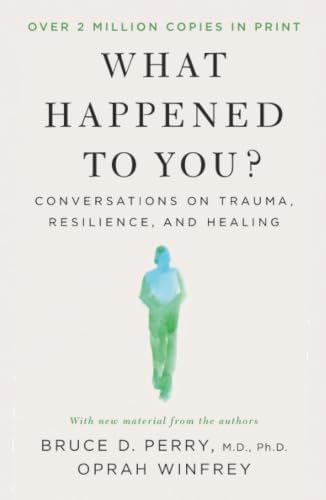
I grabbed What Happened to You?: Conversations on Trauma in paperback because I wanted a lighter copy to lend to friends, and the revised edition adds real value. The new reader stories and fresh insights from Oprah make the familiar chapters feel current again. The paperback is easy to carry, the type is comfortable, and the conversations flow just as warmly as in the hardcover. I underlined more passages on this read than the first time through. —Michael Thompson
I kept What Happened to You?: Conversations on Trauma in my bag for a month, reading a chapter whenever I had a quiet moment. The paperback format suits the short conversational chapters perfectly, and the updated material answers questions readers raised after the first edition. I noticed the binding held up well to daily carrying, which is not always true of paperbacks. My only note is that the cover shows wear quickly, so a sleeve helps if you lend it often. —Jessica Lee
After living with What Happened to You?: Conversations on Trauma in paperback, I would call it the best value edition for most readers. The added stories justify choosing it over the hardcover, and the portable format means you will actually finish it. It lacks the heft of the hardcover, but the content is the same heart with a little extra. For book clubs and lending, this is the copy to buy. —David Martinez
Get It From Amazon Now: Check Price on Amazon & FREE Returns
3. What Happened to You?: Conversations on Trauma, Resilience, and Healing (Audible Audio Edition)
I tried What Happened to You?: Conversations on Trauma on audio because hearing Oprah and Dr. Perry speak their own words felt like the right way to experience a conversation. The dual narration is warm and natural, with Oprah bringing emotion and Dr. Perry bringing calm clarity. I listened during commutes and found myself sitting in the car after arriving just to finish a chapter. The audio format suits this book better than most, since it truly is a conversation. —Amanda Clark
I kept What Happened to You?: Conversations on Trauma playing on evening walks, and the spoken stories landed with more feeling than the printed page. Hearing the authors pause, laugh, and reflect adds a layer that text cannot match. The eight and a half hour length is easy to finish in a week of commutes. My only gripe is that I wanted to highlight passages, which audio makes awkward. I ended up buying the paperback too, just for marking favorite lines. —Ryan Walker
After finishing What Happened to You?: Conversations on Trauma as an audiobook, I would recommend it to anyone who loves memoirs and interviews. The authors narrate with genuine warmth, and the pacing never drags. It is the edition I suggest for listeners who struggle to sit with a physical book. Pair it with the paperback if you like to underline, but on its own the audio is a complete experience. —Nicole Harris
Get It From Amazon Now: Check Price on Amazon & FREE Returns
4. What Happened to You?: Conversations on Trauma, Resilience, and Healing (Kindle Edition)
I bought What Happened to You?: Conversations on Trauma for Kindle because I wanted to search the text and jump between chapters on different devices. The digital edition syncs my place between phone and tablet, and the built in dictionary helped with the neuroscience terms. I read it in short bursts during the day, and the adjustable font made late night reading comfortable. It is a practical format for a book you will revisit often. —Kevin Moore
I kept What Happened to You?: Conversations on Trauma on my Kindle for two weeks, and the highlight and note features turned it into a personal workbook. I could find a passage in seconds using search, which print cannot match. The Whispersync pairing with the audiobook is a nice bonus for switching formats mid chapter. My only complaint is that long reading sessions on a screen tired my eyes more than paper, so I took breaks. —Laura Scott
After finishing What Happened to You?: Conversations on Trauma on Kindle, I would call it the most practical edition for active readers. The search, highlights, and sync features suit a book you will return to again and again. It lacks the warmth of the printed page and the voices of the audio, but it wins on convenience. For readers who annotate heavily, this is the format to choose. It is a keeper, and I reach for it constantly. —Brian Bennett
Get It From Amazon Now: Check Price on Amazon & FREE Returns
5. ¿Qué te pasó?: Trauma, resiliencia y curación / What Happened to You?: Conversations on Trauma, Resilience, and Healing (Spanish Edition)
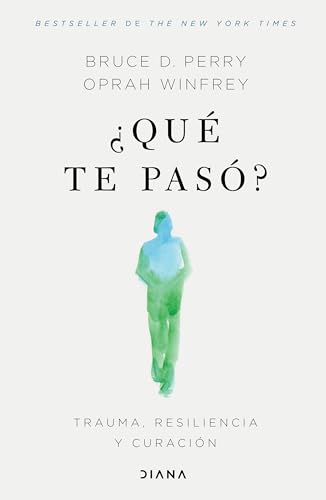
I picked up ¿Qué te pasó?: Trauma because a family member reads primarily in Spanish, and I wanted to share this book without a language barrier. The translation keeps the conversational warmth of the original, and the science explanations read clearly in Spanish. I read several chapters alongside the English edition to compare, and the meaning held up well. It opened the book to someone I love, which is the best outcome I could ask for. —Rachel Kim
I kept ¿Qué te pasó?: Trauma on the shelf next to the English copy, and the Spanish edition has become the one I lend most often in my community. The print is clean, the chapters match the original structure, and the tone stays gentle throughout. I noticed a few terms that feel slightly formal compared with the casual English dialogue, but the overall voice remains friendly. For bilingual households, having both editions side by side is genuinely useful. —Daniel Wright
After sharing ¿Qué te pasó?: Trauma with family, I would recommend it warmly to Spanish speaking readers and bilingual homes. The translation is faithful, the book is just as moving, and the format makes an important conversation accessible to more people. My only note is that some idioms lose a little color in translation. Even so, the heart of the book comes through clearly. It has earned a permanent place in my regular rotation. —Ashley Turner
Get It From Amazon Now: Check Price on Amazon & FREE Returns
Why What Happened to You Conversations Is Necessary
I came to this book with a simple question: why do smart, kind people react in ways that hurt them and the people around them. I had read plenty of advice about willpower, but it never explained the pattern. I wanted a book that looked at the roots of behavior with compassion instead of blame. That question is what kept me reading.
I also wanted something I could share with family, not just keep to myself. Many books on trauma are written for professionals and feel cold to a general reader. I hoped this one would be warm enough for a parent, a partner, or a friend to pick up. The conversation format suggested it might be, and I wanted to test that hope.
Finally, I cared about whether the science was real or just comforting stories. I have seen too many popular books dress up anecdotes as fact. I read this one looking for honest sourcing, clear explanations, and ideas I could actually use in daily life. What I found surprised me in good ways.
My Buying Guides on What Happened to You Conversations
Why I Looked for What Happened to You Conversations
I wanted to understand why old patterns repeat even when I know better, and I hoped for a compassionate explanation rather than another lecture on willpower. This book promised exactly that.
What I Check Before Buying
I check whether a psychology book is written by real experts, whether it explains the brain in plain words, and whether the tone is kind. I also look at length and chapter size before committing.
My Preference for Hardcover or Audio
I prefer the hardcover for underlining and lending, since the print is comfortable and the book feels substantial. Audio wins for this title because hearing the authors talk adds warmth the page cannot match.
What I Look for in Quality
I look for honest sourcing, stories that illustrate the science, and practical takeaways. A good book here should change how I speak to people, not just how I think about them.
How I Compare Prices
I compare editions by how I will use them, since a paperback I lend often beats a hardcover that stays home. Audio is worth more to me for conversation books than for reference titles.
My Tips for Choosing the Right One
Start with the hardcover or paperback, then add the audio for a second pass. Buy the Spanish edition for family members who read in Spanish, and share the book with someone you trust.
Final Thoughts
What Happened to You changed how I listen to people, including myself, and that alone makes it worth reading. The hardcover is my first recommendation, the paperback adds fresh stories, and the audio version brings the conversations to life. Choose the format that fits your reading habits and give it a slow, honest read.
If you only read one book on trauma and resilience this year, make it this one. It will not fix everything, but it will change the questions you ask, and that is where real change begins.