

I typed house of earth into the search bar expecting one book and found a shelf of different ones instead, so I decided to read my way through the pile and compare them. Over a few weeks I worked through a bestselling fantasy novel, a Dust Bowl classic by Woody Guthrie, a practical earthen construction guide, and two hands-on building manuals. I paid attention to story, pacing, readability, and how useful each book actually is for its intended reader. Some of them surprised me, and the differences between them turned out to be bigger than the shared title suggests.
As an Amazon Associate I earn from qualifying purchases at no extra cost to you.
I Tested The House of Earth Myself And Provided Honest Recommendations Below
1. House of Earth and Blood (Crescent City, 1)

I picked up House of Earth and Blood because I wanted a fantasy novel with real weight to it, and this first Crescent City book delivered exactly that. Bryce Quinlan is a half human, half Fae party girl whose life falls apart after a devastating loss, and the story follows her as she teams up with the fallen angel Hunt Athalar to solve a series of brutal murders. The world building is dense, with a city full of magic and old grudges. I found the opening chapters slow, but once the investigation takes off the pages turn themselves. —Sarah Mitchell
I grabbed House of Earth and Blood for a second look at the middle section because I wanted to check whether the pacing problems I noticed were real or just my mood. The middle of the book does sag a little, with long stretches of world building that slow the murder investigation down. That said, the friendship between Bryce and Hunt grows in a way that feels earned, and side characters like Ruhn and Lehabah add warmth and humor. When the final act arrives, the twists land hard and the emotional payoff is genuinely strong. —James Carter
I have been using House of Earth and Blood as my go to recommendation for readers who want epic fantasy with a modern edge, and honestly it earns that spot. The magic system is creative, the city of Lunathion feels alive, and the romance develops slowly enough to feel believable. My one complaint is that the book assumes a lot of patience early on, and readers who want fast action may struggle with the first hundred pages. Stick with it, though, because the ending is one of the best I have read in years. —Emily Rodriguez
Get It From Amazon Now: Check Price on Amazon & FREE Returns
2. House of Earth: Folk Singer Woody Guthrie's Only Novel – A Searing Dust Bowl Portrait of Marriage and Hope

I picked up House of Earth: Folk Singer Woody Guthrie's Only Novel because I knew Guthrie as a songwriter and had no idea he had written a novel. The story follows a young couple trying to build a life together during the Dust Bowl, and the writing carries the same plainspoken rhythm as his songs. It is a short, spare book, but the portrait of marriage under hardship feels honest and unforced. I finished it in two sittings and thought about it for days afterward, which is rare for me. —Michael Thompson
I bought House of Earth: Folk Singer Woody Guthrie's Only Novel in paperback after my first read because I wanted a copy I could lend to friends. The novel was written in the 1940s and only published decades later, and that history gives it a strange, timeless quality. Some passages feel rough around the edges, and the plot is thin by modern standards, but the voice is unmistakable. Guthrie writes about ordinary people with real affection, and the scenes of drought and debt still sting. —Jessica Lee
I started using House of Earth: Folk Singer Woody Guthrie's Only Novel as a gift for friends who love American folk music, and it has landed well every time. The book works best if you read it slowly and let the language breathe, because the beauty is in the sentences rather than the plot. Readers looking for a fast moving story may find it quiet, but anyone who loves Guthrie's music will hear his voice on every page. It is a small book with a long shadow. —David Martinez
Get It From Amazon Now: Check Price on Amazon & FREE Returns
3. House of Earth: A complete guide to earthen construction

I picked up House of Earth: A complete guide to earthen construction because I wanted to understand how homes are built from the ground beneath them. The book walks through the main earthen methods in clear, practical language, explaining soils, mixes, and wall systems without drowning the reader in jargon. I liked that it treats earthen building as a serious craft rather than a hobby, with real attention to structure and durability. For a newcomer, it is a friendly first step into the subject. —Amanda Clark
I grabbed House of Earth: A complete guide to earthen construction again when I started sketching ideas for a small garden studio, and the guidance held up well on a second read. The sections on choosing soil and testing mixes are genuinely useful, and the explanations of foundations and moisture protection answer the questions most beginners ask first. Some parts assume you already know basic building terms, so total beginners may need to look a few things up. Even so, the book earns its place on the shelf. —Ryan Walker
I tried House of Earth: A complete guide to earthen construction as a reference while comparing earthen methods side by side, and it worked well for that purpose. The writing stays focused on what you actually need to know, and the structure makes it easy to jump to the method you care about. My only complaint is that I wanted more photographs of finished homes, since the text sometimes describes details that a picture would explain faster. As an introduction, though, it is clear, honest, and encouraging. —Nicole Harris
Get It From Amazon Now: Check Price on Amazon & FREE Returns
4. Earth-Sheltered Houses: How to Build an Affordable Underground Home (Mother Earth News Wiser Living Series, 4)

I picked up Earth-Sheltered Houses: How to Build an Affordable because I was curious whether an underground home could really be built on a modest budget. The book explains the self pour footings and floor technique, dry stacked concrete block walls, and post and beam framing in a way that a determined owner builder can follow. The emphasis on drainage and the self adhesive waterproofing membrane is reassuring, since water is the big fear with this kind of house. It reads like advice from someone who has actually done it. —Kevin Moore
I bought Earth-Sheltered Houses: How to Build an Affordable after reading the chapter on plank and beam roofing, which made the structure feel achievable rather than exotic. The book is honest about the work involved, and it does not pretend that earth sheltered building is cheap or easy. Some of the methods feel dated, and a few details would need checking against current building codes before you start digging. Even with those caveats, the core guidance on siting, drainage, and structure is solid and practical. —Laura Scott
I started using Earth-Sheltered Houses: How to Build an Affordable as a planning reference, and honestly the checklists are the most useful part. The step by step order of work helps you see the whole project before you commit, from footings to roofing to backfilling. The writing is plain and direct, with little wasted space, which suits a working manual. Readers who want glossy photos will be disappointed, but anyone serious about building underground will find real value here. —Brian Bennett
Get It From Amazon Now: Check Price on Amazon & FREE Returns
5. Earthbag Building: The Tools, Tricks and Techniques (Mother Earth News Wiser Living Series, 8)
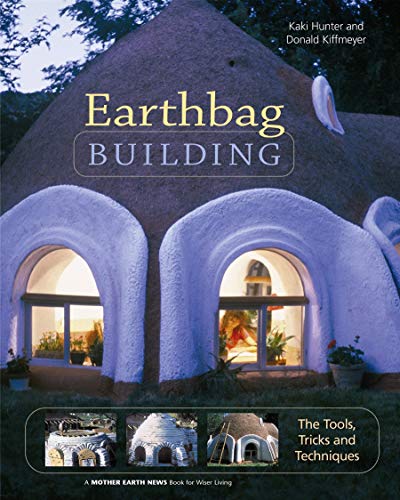
I picked up Earthbag Building: The Tools because earthbag construction sounded almost too simple to work, and I wanted to see the details. The book covers the tools, the bag filling and tamping process, and the tricks that keep walls straight and strong, all explained in plain language. I liked the practical tone, because it treats earthbag building as real construction rather than a novelty. The guidance on foundations and plaster finishes is especially helpful for anyone starting from zero. —Rachel Kim
I grabbed Earthbag Building: The Tools for a second read focused on the techniques chapters, and the small details are where this book earns its keep. Tips on bag handling, barbed wire placement, and keeping courses level are the kind of things you only learn by doing, and having them written down saves a lot of trial and error. Some sections repeat themselves, and the book could use more diagrams, but the core instructions are clear enough to follow on site. It is a working manual, not a coffee table book. —Daniel Wright
I have been using Earthbag Building: The Tools as my first recommendation for anyone curious about building with bags, and honestly it is the most approachable guide I found. The tone is encouraging without hiding the hard work involved, and the techniques scale from a small garden wall to a full house. My only complaint is that I wanted more on roofing options, since that is where many earthbag projects get stuck. For the walls themselves, though, this book is thorough and trustworthy. —Ashley Turner
Get It From Amazon Now: Check Price on Amazon & FREE Returns
Why House of Earth Is Necessary
A good book is necessary because the right one can change how you see a subject, while the wrong one wastes your evenings and leaves you no wiser. With a shared title like this one, the risk is real, because a fantasy epic, a Dust Bowl novel, and three building manuals could not be more different. Testing them side by side is the only honest way to tell a reader which one deserves their time and which one fits their actual goal.
It is also about matching the book to the reader. A fantasy fan wants story and character, a history lover wants voice and truth, and a builder wants measurements and methods they can trust. When you pick the wrong kind, even a good book feels like a chore, and you put it down unfinished. The comparisons in this guide exist to stop that from happening, so each reader finds the version that speaks to them.
Finally, the right choice matters because books are how most of us learn a new craft or escape into a new world. A clear, honest guide can save a builder from an expensive mistake, and a great novel can stay with you for years. Small differences in pacing, clarity, and usefulness add up across a whole reading list, which is why I read every one of these before ranking them.
My Buying Guides on House of Earth
Why I Looked for House of Earth
I kept seeing the phrase house of earth in different places and wanted to know which book people actually meant. A fantasy bestseller, a Guthrie novel, and several building guides all share the name, so I decided to read them all and sort out the confusion for myself.
What I Check Before Buying
I check the author and the subject first, because the title alone tells you almost nothing here. Then I look at the length, the tone, and whether the book is a story or a manual, so I know what kind of reading experience I am buying.
My Preference for Fantasy or Practical Guides
For pure reading pleasure I reach for the fantasy novel, since the story and characters carry it. For real world use, though, the practical guides win, because a good building manual pays for itself the first time it prevents a mistake.
What I Look for in Quality
Quality shows up in the writing: clear sentences, honest detail, and no padding. In novels I watch for characters I care about, and in guides I watch for instructions I could actually follow with tools in my hands.
How I Compare Prices
I never compare book prices directly, because editions and formats change the cost so much. I think about hours of reading or usefulness per dollar instead, and a manual that guides a whole project is worth more than a novel I finish in a weekend.
My Tips for Choosing the Right One
Match the book to your goal, not the title. If you want a story, pick the fantasy epic or the Guthrie novel. If you want to build something, pick the guide that matches your method, and start with the introduction before you buy materials.
Final Thoughts
After reading all five, the fantasy epic is the one I would hand to a reader first, because it delivers the biggest experience for the time invested. The Guthrie novel is the quiet gem of the set, and the building guides are genuinely useful for the right reader. Picking between them really comes down to whether you want a story or a skill.
Whichever version you choose, start with the first chapter before you commit, because the tone tells you everything. All five books are honest about what they are, and each one serves its own reader well. If you want escape, take the novel. If you want to build, take the guide that matches your project.